Integrity in Stewardship: A Reflection on Exodus 22:8
“If the thief be not found, then the master of the house shall be brought unto the judges, to see whether he have put his hand unto his neighbour’s goods.” — Exodus 22:8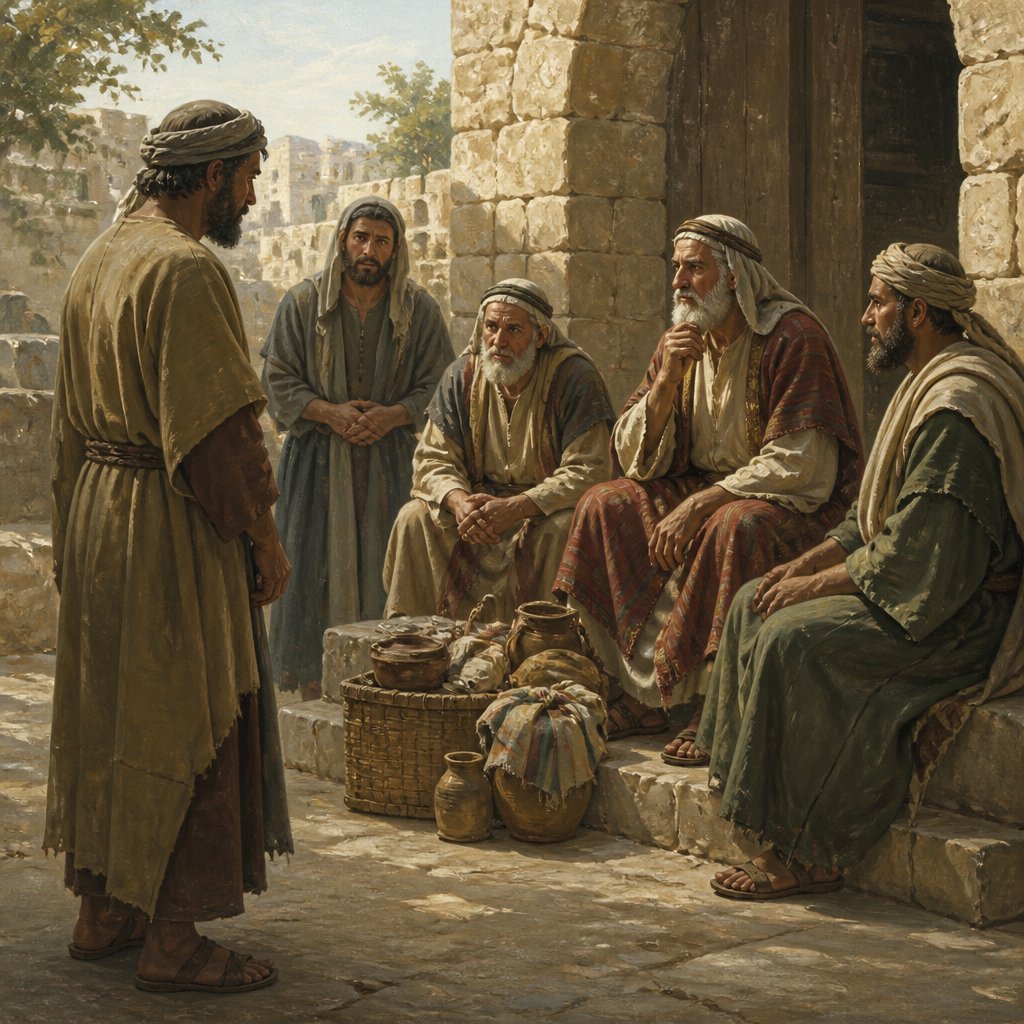
In a world entwined with rapid change, moral calls echo louder as they resonate through the ages. Exodus 22:8 reads, "If the thief be not found, then the master of the house shall be brought unto the judges, to see whether he have put his hand unto his neighbour's goods." This verse, nestled within the ancient law codes bestowed upon the Israelites, speaks to a profound theme of integrity and communal responsibility.
The context of this passage emerges in a society where personal property and communal trust were of utmost importance. In this particular instance, the law provides guidance on a critical issue: the loss of property through theft. When a thief is unknown, the master of the house – the owner of the stolen goods – is called to account for himself. The law did not immediately absolve him merely because he declared his innocence; instead, he must affirmatively show that he was not complicit in the wrongdoing.
This principle is essential in understanding how God structures His kingdom. The call to integrity transcends just ownership; it is a reminder of stewardship. Each of us has been entrusted with gifts, relationships, and resources that God calls us to manage wisely. To be stewards means to nurture and guard these resources diligently, reflecting God's character in our actions and decisions.
For example, consider a situation where you lend something valuable to a friend—money, a book, or even your time. If that friend fails to return what you lent, there might be a temptation to accuse them without seeking the truth of the matter. The principle in Exodus 22:8 beckons us to approach such situations with grace and integrity. Rather than jumping to conclusions about another's character, we are urged to examine our own; did we manage this relationship well? Have we been clear in our agreements?
This pushes us to evaluation; like the master called before the judges, we must ask ourselves hard questions about our own stewardship. Have we mismanaged our resources or failed to protect our possessions rightly? In a broader sense, how do we interact with our neighbors? God's concern is not merely about our possessions or tangible wealth but extends to how we treat those around us. The verse guides us into deeper relational integrity, asking us to consider how our actions might affect our neighbors – emotionally, spiritually, and materially.
Furthermore, we understand that accountability is a beautiful construct in God's kingdom. The idea of being held accountable before judges points to a community where trust matters and each person is responsible for their actions. In a culture often driven by individualism, this passage compels us to look outward, urging us to be aware of our impacts on others. It serves as a reminder of our duty as part of a community where love, respect, and integrity should flourish.
Moreover, this verse challenges us to acknowledge our humanity and potential for error. We are not perfect stewards; we may fail or misplace trust. Recognizing this enables us to extend grace when others fall short. It compels us to ask ourselves how we can foster environments of accountability that help everyone thrive.
In our daily lives, let us bear in mind that integrity in stewardship hinges upon our relationship with God. Just like the master of the house, we too shall stand before our Heavenly Father and give an account of our stewardship. The beauty of this is knowing that in our failures, God offers grace through Christ, who embodies perfect stewardship and invites us into a deeper relationship with Him.
As we meditate on Exodus 22:8, let us commit ourselves to embody integrity in all we do: with our possessions, our words, and especially our relationships with others. In doing so, we mirror the heart of God and contribute to building a community defined by love, trust, and mutual care.
Get our apps


Artwork for Exodus 22:8

Exodus 22:8 - "If the thief be not found, then the master of the house shall be brought unto the judges, to see whether he have put his hand unto his neighbour's goods."
"If the thief be not found, then the master of the house shall be brought unto the judges, to see whether he have put his hand unto his neighbour's goods." - Exodus 22:8

Exodus 8:22 - "And I will sever in that day the land of Goshen, in which my people dwell, that no swarms of flies shall be there; to the end thou mayest know that I am the LORD in the midst of the earth."

Exodus 22:22 - "¶ Ye shall not afflict any widow, or fatherless child."

Exodus 15:22

Exodus 22:28

Exodus 22:28

Exodus 22:28

Exodus 22:28

Exodus 22:28

Exodus 22:28

Exodus 22:28

Exodus 22:5

Exodus 22:28

Exodus 22:28

Exodus 22:28

Exodus 22:28

Exodus 22:28

Exodus 22:5

Exodus 22:28

Exodus 22:28

Exodus 22:5

Exodus 25:10-22

Exodus 6:22 - "And the sons of Uzziel; Mishael, and Elzaphan, and Zithri."

Exodus 22:18 - "¶ Thou shalt not suffer a witch to live."

Exodus 30:22 - "¶ Moreover the LORD spake unto Moses, saying,"

Exodus 25:8

Exodus 22:19 - "¶ Whosoever lieth with a beast shall surely be put to death."

"¶ Ye shall not afflict any widow, or fatherless child." - Exodus 22:22

Exodus 39:22 - "¶ And he made the robe of the ephod of woven work, all of blue."