Compassion for the Stranger: A Call to Empathy
“Also thou shalt not oppress a stranger: for ye know the heart of a stranger, seeing ye were strangers in the land of Egypt.” — Exodus 23:9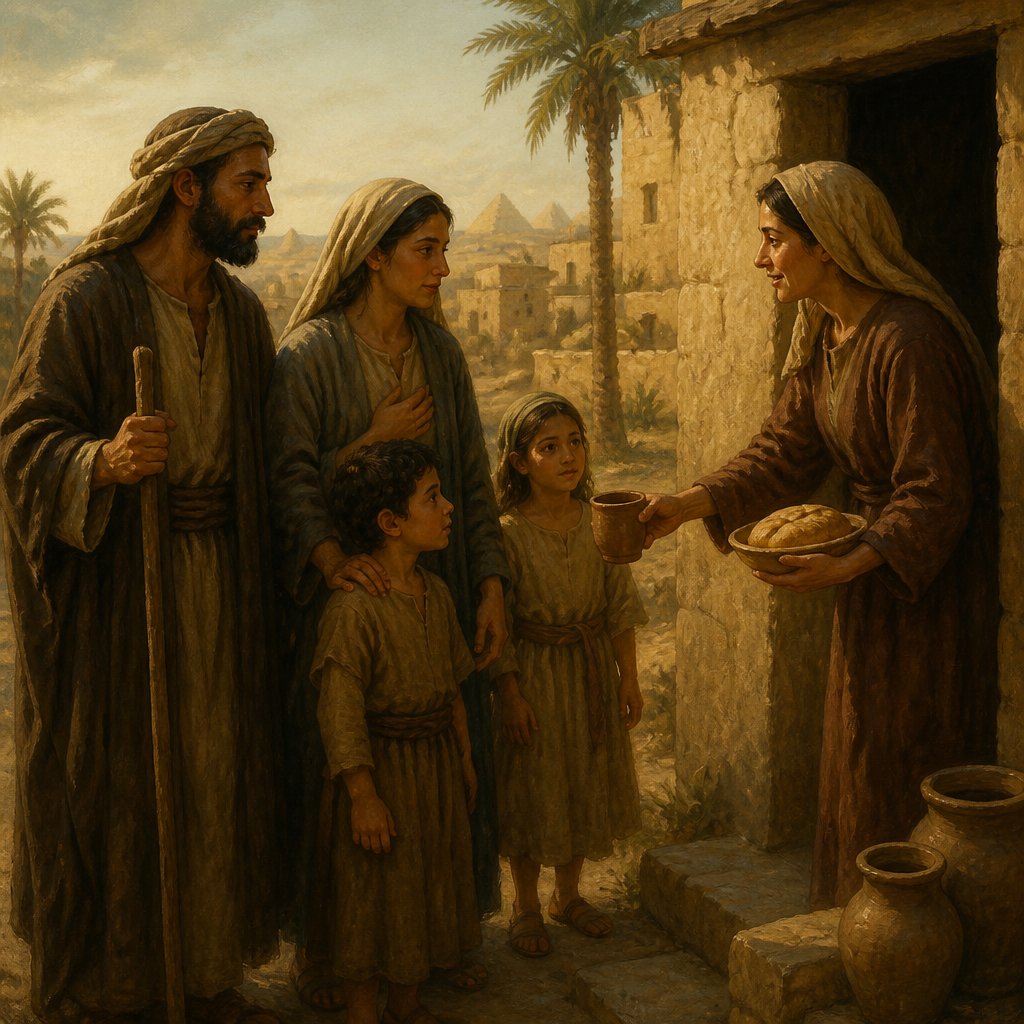
In Exodus 23:9, we read, "Also thou shalt not oppress a stranger: for ye know the heart of a stranger, seeing ye were strangers in the land of Egypt." This verse calls us to reflect on our treatment of others, especially those who are different from us—whether they are from another country, culture, or community. God’s command to the Israelites, a reminder of their own history as immigrants and refugees in Egypt, is steeped in profound significance.
The context of this instruction emerges from a people who had suffered greatly under oppression. For over four hundred years, the Israelites were subjected to slavery in Egypt, experiencing a myriad of abuses at the hands of their captors. It was a painful period that ingrained in them a deep sense of vulnerability and the longing for dignity and justice. God, who compassionately intervened and delivered them, urges His people to extend that same compassion to those who find themselves on the fringes of society, the strangers who may be seeking refuge or acceptance among them.
To "not oppress a stranger" is to actively choose empathy over apathy, understanding over indifference. The Hebrew word for "stranger" in this context is often translated as "foreigner" or "sojourner," suggesting someone who lives among us yet does not share our lineage or societal privileges. In Hebrew society, it was common for strangers to be marginalized. However, God’s command directly challenges such societal norms. He reminds His people of their history, insisting that their own experience as strangers should inspire them to treat others with dignity and respect.
In contemporary society, this verse resonates deeply amid increasing global migration, refugee crises, and debates surrounding immigration policies. Many live in fear and uncertainty, seeking safety and belonging in unfamiliar lands. As followers of Christ, we are called not only to recognize their plight but to be advocates. It asks us to interrogate our own hearts: Are we indifferent to the struggles of those who are different from us? Do we stand idly by as systems of oppression perpetuate injustice?
The essence of the command in Exodus 23:9 transcends merely refraining from oppression; it invites us into a proactive role of hospitality and love. The Apostle Paul echoes this sentiment in the New Testament, urging believers to "Make room in your hearts for each other." (2 Corinthians 7:2 KJV). This idea of making room extends beyond physical space; it is about creating emotional and spiritual space for others to be seen, heard, and valued as human beings—God's children.
Reflecting on the heart of a stranger demands that we remember that we are all, in some sense, strangers in this world. Our true home is not of this earth but in heaven (Philippians 3:20). Thus, as Christians, we are called to emulate Christ, who welcomed the marginalized, healed the outcast, and dined with sinners. Jesus Himself was a stranger in His own land and faced rejection from those who should have embraced Him. He demonstrated the ultimate act of compassion through His sacrifice—laying down His life for everyone, whether a friend or a stranger.
As we meditate on Exodus 23:9, let us be stirred to action. May we seek to forge friendships with those who are different. Let us engage with our communities and strive to understand the stories of strangers. It is through relationship that our hearts are softened and our understanding deepened. In every act of kindness, we not only reflect the heart of God but also fulfill His command to love one another wholeheartedly.
In conclusion, let us not forget we are all part of God's tapestry, woven together through shared experiences and faith. May we become conduits of compassion, ensuring that no one we encounter feels they are relegated to the status of "other." Let the lessons of our past guide us toward a future where love and understanding reign supreme, as we strive to fulfill God’s divine mandate, respecting the dignity of every individual as a child of God.
Get our apps


Artwork for Exodus 23:9

Exodus 23:9 - "¶ Also thou shalt not oppress a stranger: for ye know the heart of a stranger, seeing ye were strangers in the land of Egypt."
"¶ Also thou shalt not oppress a stranger: for ye know the heart of a stranger, seeing ye were strangers in the land of Egypt." - Exodus 23:9

Exodus 9:23 - "And Moses stretched forth his rod toward heaven: and the LORD sent thunder and hail, and the fire ran along upon the ground; and the LORD rained hail upon the land of Egypt."

Exodus 23:20

Exodus 23:4

Exodus 23:28

Exodus 15:23

Exodus 23:4
Exodus 15:23

Exodus 23:28

Exodus 23:27-28

Exodus 23:28-29

Exodus 23:32 - "Thou shalt make no covenant with them, nor with their gods."

Exodus 40:9
Exodus 2:9

Exodus 2:9

Exodus 23:6 - "Thou shalt not wrest the judgment of thy poor in his cause."

Exodus 23:23 - "For mine Angel shall go before thee, and bring thee in unto the Amorites, and the Hittites, and the Perizzites, and the Canaanites, the Hivites, and the Jebusites: and I will cut them off."

Genesis 23-9

Exodus 21:23 - "And if any mischief follow, then thou shalt give life for life,"

Exodus 23:3 - "¶ Neither shalt thou countenance a poor man in his cause."

Exodus 26:23 - "And two boards shalt thou make for the corners of the tabernacle in the two sides."

Exodus 36:23 - "And he made boards for the tabernacle; twenty boards for the south side southward:"

Exodus 24:9-11

Exodus 23:14 - "¶ Three times thou shalt keep a feast unto me in the year."

Exodus 23:8 - "¶ And thou shalt take no gift: for the gift blindeth the wise, and perverteth the words of the righteous."

Exodus 8:23 - "And I will put a division between my people and thy people: to morrow shall this sign be."

Exodus 39:23 - "And there was an hole in the midst of the robe, as the hole of an habergeon, with a band round about the hole, that it should not rend."

Exodus 40:23 - "And he set the bread in order upon it before the LORD; as the LORD had commanded Moses."

Exodus 23:10 - "And six years thou shalt sow thy land, and shalt gather in the fruits thereof:"