The Covenant of Blood: Understanding Our Commitment to God
“And Moses took half of the blood, and put it in basons; and half of the blood he sprinkled on the altar.” — Exodus 24:6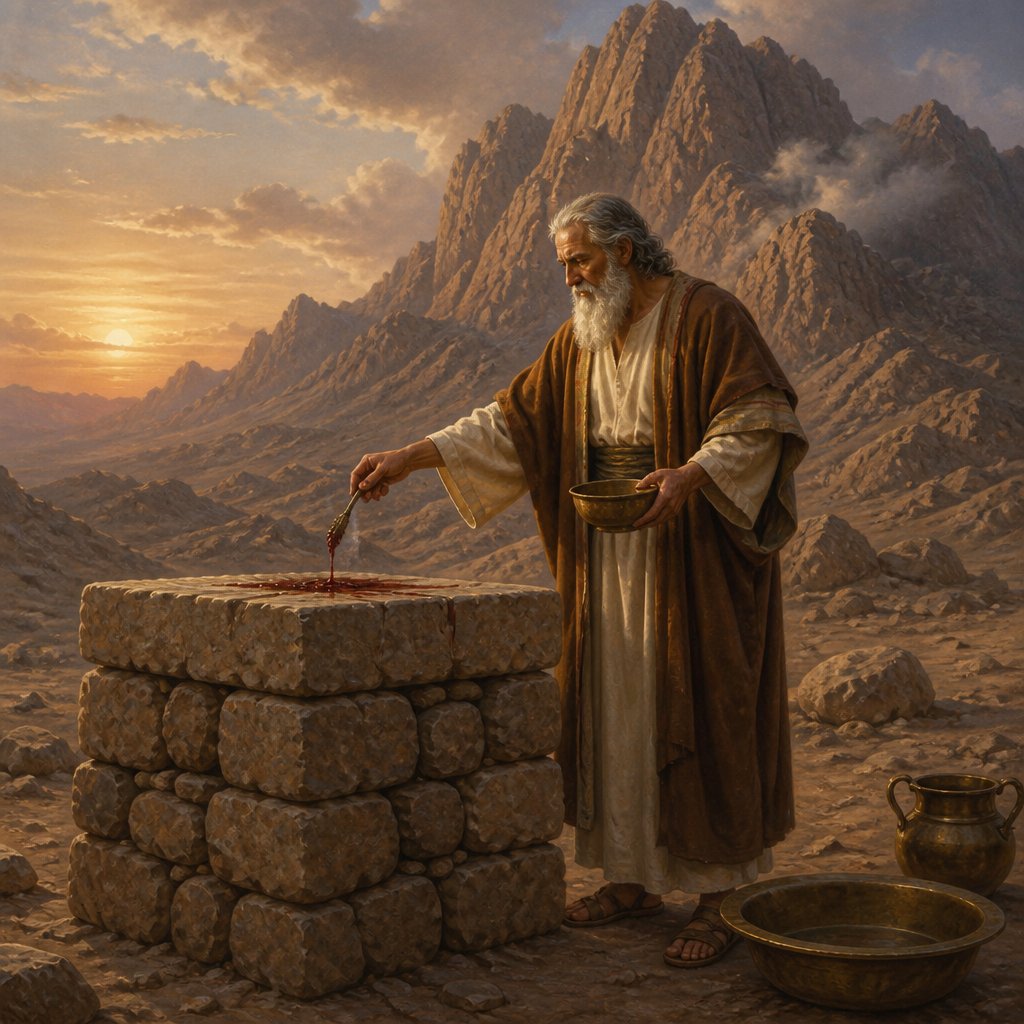
**Scripture Reference: Exodus 24:6 - "And Moses took half of the blood, and put it in basons; and half of the blood he sprinkled on the altar."**
The Book of Exodus is a profound narrative detailing God's covenant with His chosen people. As we delve into our focus text from Exodus 24:6, we find ourselves at a pivotal moment in Israel's history, one fraught with divine significance. Here, Moses, acting as the mediator between God and Israel, performs a significant ceremony that symbolizes the people's commitment to God and His covenant with them.
To comprehend this act of sprinkling blood, we must first appreciate the cultural and spiritual context of ancient Israel. The practice of sacrificing animals and sprinkling their blood was not merely ritualistic; it was a deep act of worship and commitment. In the ancient world, blood represented life, and by utilizing it in this covenant ceremony, Moses acknowledged the seriousness and gravity of the commitment between God and His people.
The act of sprinkling blood signifies a bond - one imbued with promises, responsibilities, and consequences. When Moses sprinkled half of the blood on the altar, it symbolized God’s commitment to His people. The altar depicts God’s presence, a sacred place where His divine authority resides. This blood poured out before God underscores His part in the covenant: He is the protector, the provider, and the one who desires fellowship with His people. The altar, bathed in blood, reminds us of the seriousness of sin and the cost required for redemption.
Conversely, Moses collected half of the blood into basons to signify the people’s commitment to God. When the Israelites affirmed their commitment to obey the terms of the covenant, this blood served as a tangible symbol of their pledge. By entering into this covenant, they were acknowledging that their lives were intertwined with God’s will,
thus affirming that their obedience would require sacrifice and devotion. The blood, then, was not merely a symbol but a solemn reminder that with every promise made, there are responsibilities and choices that affect one’s relationship with God.
In the New Testament, we see the fulfillment of this covenant in Christ; His blood is the final and ultimate sacrifice. As we see in Hebrews 9:22, "... and without shedding of blood is no remission." Christ’s sacrificial death on the cross echoes the significance of Moses's ceremony, highlighting that life is indeed a matter of blood – both in its shedding and its significance in establishing a relationship with God. Through His blood, we enter a new covenant, one where the prices of our mistakes have been paid in full, inviting us into a sustained relationship with our Creator.
Moreover, considering the act of sprinkling blood, we recognize that God desires a relationship predicated on trust and faithfulness. Today, as we reflect on our commitment to God, we must ask ourselves: Are we blood-marked people? Are we reminded daily of the covenant we have with God through the blood of Jesus? Just as Moses mediated and established a covenant, we are called to live in a way that reflects our relationship with Christ, surrendering our lives to His will and purpose.
As we meditate on this powerful symbolic act from Exodus, let us not forget the weight of the covenant we are a part of as believers today. Let us commit to living a life that showcases the grace brought forth through His blood and bear witness to the new life that we have through Him. When we remember this act, may we strive to uphold our end of the covenant with the same passion and dedication that those ancient Israelites once displayed, knowing fully well that our lives are drenched in divine grace and love.
Get our apps


Artwork for Exodus 24:6

Exodus 24:6 - "And Moses took half of the blood, and put it in basons; and half of the blood he sprinkled on the altar."
"And Moses took half of the blood, and put it in basons; and half of the blood he sprinkled on the altar." - Exodus 24:6

Exodus 6:24 - "And the sons of Korah; Assir, and Elkanah, and Abiasaph: these are the families of the Korhites."
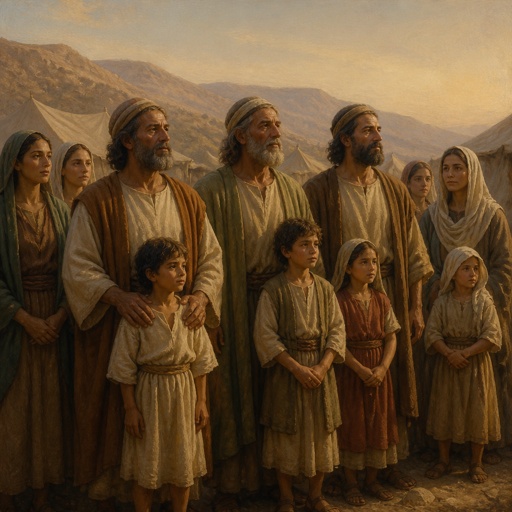
"And the sons of Korah; Assir, and Elkanah, and Abiasaph: these are the families of the Korhites." - Exodus 6:24

Exodus 24:16

Exodus 24:17

Exodus 24:4

Exodus 7:14-24

Exodus 24:9-11

Exodus 24:15 - "And Moses went up into the mount, and a cloud covered the mount."

The Plague of Blood - Exodus 7:14-24

The Plague of Blood - Exodus 7:14-24

The Plague of Blood - Exodus 7:14-24

The Plague of Blood - Exodus 7:14-24

Exodus 21:24 - "Eye for eye, tooth for tooth, hand for hand, foot for foot,"

Exodus 37:24 - "Of a talent of pure gold made he it, and all the vessels thereof."
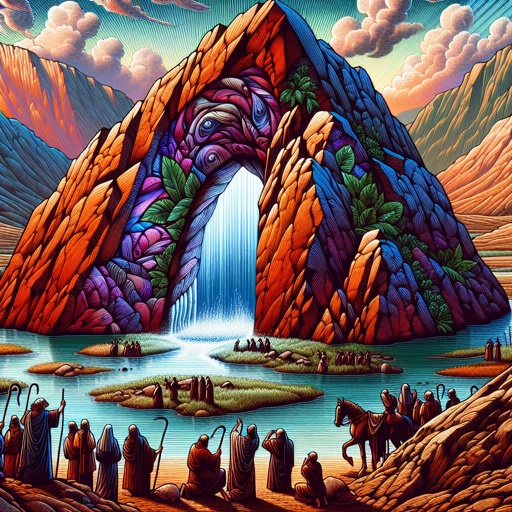
Exodus 17:6

Exodus 17:6

Exodus 17:6

Exodus 12:24 - "And ye shall observe this thing for an ordinance to thee and to thy sons for ever."

Exodus 15:24 - "And the people murmured against Moses, saying, What shall we drink?"

Exodus 24:9 - "¶ Then went up Moses, and Aaron, Nadab, and Abihu, and seventy of the elders of Israel:"

Exodus 17:6

Matthew 6:24

Matthew 6:24

Matthew 6:24

Matthew 6:24

Genesis 24-6

Exodus 2:24 - "And God heard their groaning, and God remembered his covenant with Abraham, with Isaac, and with Jacob."

Exodus 30:24 - "And of cassia five hundred shekels, after the shekel of the sanctuary, and of oil olive an hin:"