The Shewbread: A Table of Divine Provision
“And thou shalt set upon the table shewbread before me alway.” — Exodus 25:30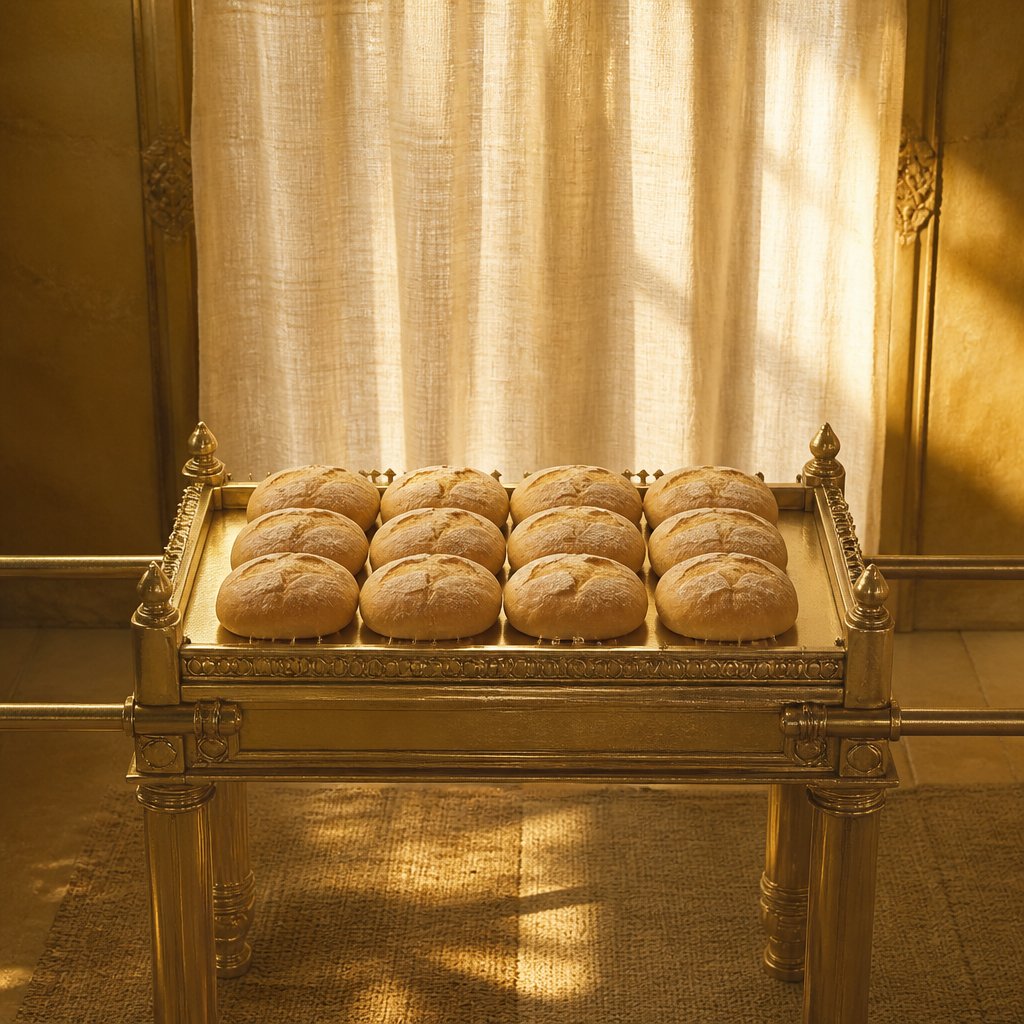
In Exodus 25:30, the Lord commands, "And thou shalt set upon the table shewbread before me alway." This simple directive carries profound significance in understanding the nature of God’s relationship with His people. The shewbread, or showbread, serves not only as a physical sustenance but also as a spiritual lesson about God's provision, presence, and covenant.
To explore the essence of this command, it's essential to visualize the setting within the Tabernacle, specifically in the Holy Place where the table was situated. The table of shewbread was crafted with acacia wood and covered with pure gold, representing both humanity and divinity. Upon this table lay twelve loaves of bread, symbolizing the twelve tribes of Israel, renewed every Sabbath and presented before the Lord as a continual offering. This act of placing bread on the table was not mere ritual; it was a physical reminder of God’s enduring faithfulness to His people.
The shewbread held particular significance as it showed that God provides sustenance for His people, both physically and spiritually. In a world where we often seek fulfillment in various sources, the shewbread invites us to remember where our true nourishment lies. Jesus referenced this divine provision in John 6:35 when He declared, "I am the bread of life; he that cometh to me shall never hunger; and he that believeth on me shall never thirst." Just as the shewbread was laid before God, so too must we present ourselves before Him, acknowledging that our lives and every need we have are dependent on Him.
Furthermore, the continual presence of the shewbread conveys an essential truth: God desires to be in constant communion with His people. The phrase "before me alway" speaks volumes about the nature of God’s covenant. This wasn’t a one-time offering; it was a constant reminder that God is ever-present, actively involved in the lives of His people. The shewbread was not simply on display; it was part of a living relationship characterized by commitment and faithfulness.
As Christians, we are called to maintain a similar attitude in our walk with the Lord. Just as the shewbread was renewed weekly, we too are encouraged to renew our commitment to Him. This renewal can take various forms—daily prayer, studying His Word, and engaging in community with fellow believers. These acts of devotion serve to keep our hearts and minds oriented toward God and His generous provision.
Moreover, the shewbread points us toward the idea of sacrifice and remembrance. The loaves were eventually consumed by the priests, symbolizing not only sustenance but also the blessing of God’s provision. In a similar way, we are reminded of Christ's sacrifice—His body broken for us, the ultimate provision for our spiritual hunger. In partaking of the bread and wine at Communion, we are participating in a sacred act of remembrance, acknowledging the presence of Christ in our lives and the continuance of His covenant with us.
The shewbread also encourages us to reflect on our relationship with God. Are we setting aside time to nurture that relationship, bringing our needs and our gratitude before Him? In a world filled with distractions and demands on our time, it is crucial we create a space at the table for communion with God.
In closing, let us approach our divine table with humility and gratitude, inviting the presence of the Lord into our lives. The shewbread symbolizes not just the physical sustenance God provides but also the deep, spiritual communion He desires with each of us. May we, like the shewbread, strive to remain before Him always, allowing His life to fill us, and expressing our needs and gratefulness with every heartbeat.
Get our apps


Artwork for Exodus 25:30

Exodus 25:30 - "And thou shalt set upon the table shewbread before me alway."
"And thou shalt set upon the table shewbread before me alway." - Exodus 25:30

Exodus 30:25 - "And thou shalt make it an oil of holy ointment, an ointment compound after the art of the apothecary: it shall be an holy anointing oil."
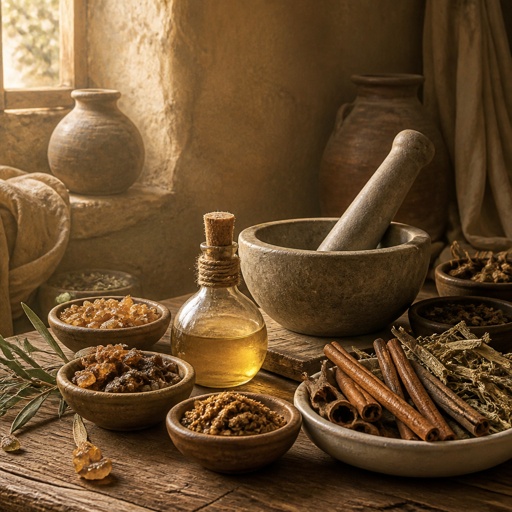
"And thou shalt make it an oil of holy ointment, an ointment compound after the art of the apothecary: it shall be an holy anointing oil." - Exodus 30:25

Exodus 26:30

Exodus 28:30-43

Exodus 28:15-30

Exodus 30:30 - "And thou shalt anoint Aaron and his sons, and consecrate them, that they may minister unto me in the priest's office."

Exodus 25:16

Exodus 25:31

Exodus 25:16

Exodus 25:8

Exodus 25:16

Exodus 16:30 - "So the people rested on the seventh day."

Exodus 30:17 - "¶ And the LORD spake unto Moses, saying,"

Exodus 30:11 - "¶ And the LORD spake unto Moses, saying,"

Exodus 30:22 - "¶ Moreover the LORD spake unto Moses, saying,"

Proverbs 30:25 - "The ants are a people not strong, yet they prepare their meat in the summer;"

Exodus 25:10-22

Exodus 8:30 - "And Moses went out from Pharaoh, and intreated the LORD."

Exodus 30:26 - "And thou shalt anoint the tabernacle of the congregation therewith, and the ark of the testimony,"

Job 30:25 - "Did not I weep for him that was in trouble? was not my soul grieved for the poor?"

Exodus 25:1 - "And the LORD spake unto Moses, saying,"

Exodus 30:19 - "For Aaron and his sons shall wash their hands and their feet thereat:"

Exodus 30:27 - "And the table and all his vessels, and the candlestick and his vessels, and the altar of incense,"

Exodus 30:5 - "And thou shalt make the staves of shittim wood, and overlay them with gold."

Matthew 25:30 - "And cast ye the unprofitable servant into outer darkness: there shall be weeping and gnashing of teeth."

Exodus 25:7 - "Onyx stones, and stones to be set in the ephod, and in the breastplate."

Exodus 30:28 - "And the altar of burnt offering with all his vessels, and the laver and his foot."

The Plague on the Firstborn - Exodus 11, 12:1-30