Fastening Grace: The Symbolism of the Wreathen Chains
“And the other two ends of the two wreathen chains thou shalt fasten in the two ouches, and put them on the shoulderpieces of the ephod before it.” — Exodus 28:25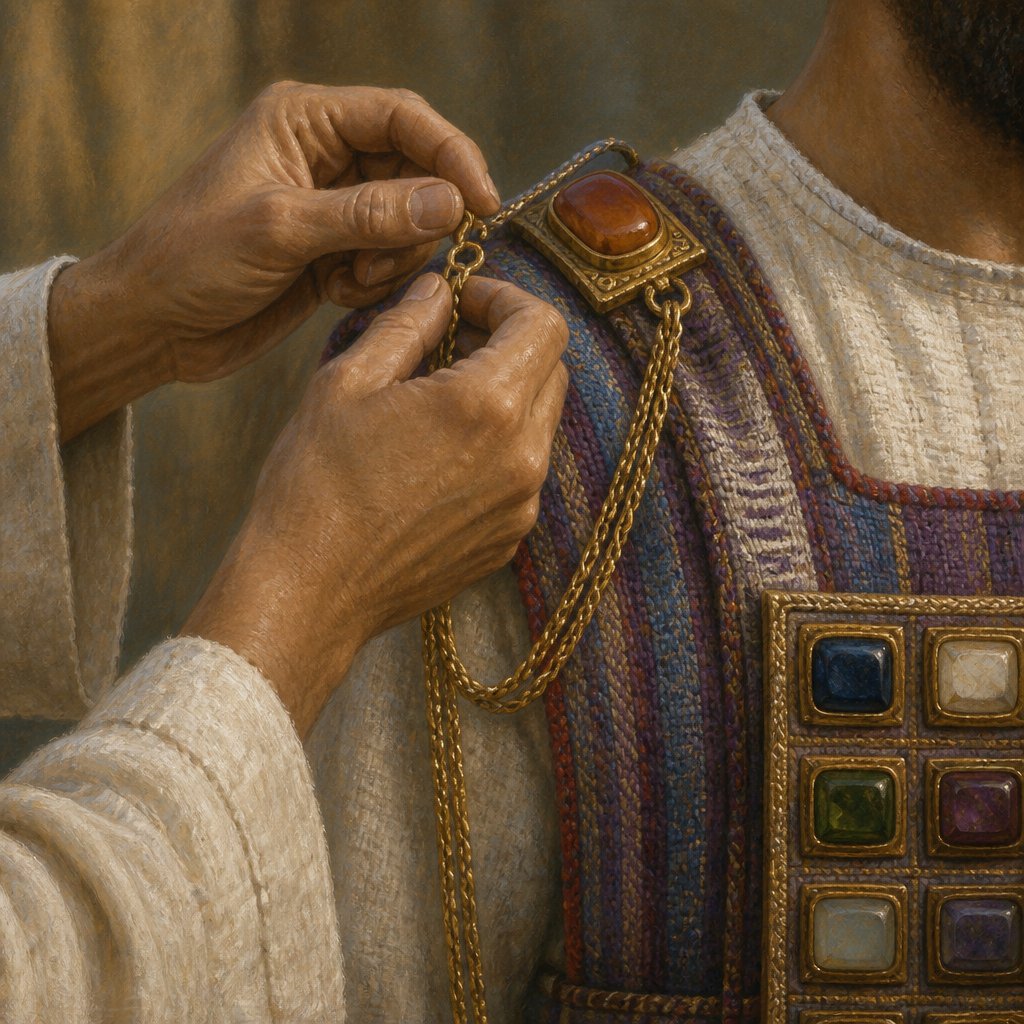
As we delve into the rich tapestry of Exodus 28:25, we find ourselves standing before the intricate design of the priestly garments that the Lord commanded Moses to make. "And the other two ends of the two wreathen chains thou shalt fasten in the two ouches, and put them on the shoulderpieces of the ephod before it." (KJV). This instruction, seemingly a mere regulation for adorning the ephod, carries profound significance that resonates with our spiritual lives today.
At its core, the ephod represents the office of the priesthood—a vital role in mediating between God and His people. The beautiful wreathen chains, crafted with care and purpose, illustrate the connection between heaven and earth, signaling the importance of being bound to God’s will. The imagery of chains may invoke thoughts of restrictions or burdens, yet in the biblical context, they signify strength, connection, and purpose.
When we consider the placement of those chains upon the shoulderpieces, we must reflect on what it represents: the weight of responsibility borne by those called to serve. In ancient Israel, the high priest bore the names of the tribes of Israel on his shoulders, a literal embodiment of the burden he carried for his people. Here, we see a wonderful parallel to Christ, our High Priest (Hebrews 4:14), who bears our names, our concerns, and our burdens before the Father.
As we walk through life, it’s easy to feel the weight of our own responsibilities. Whether it’s the pressures of family, work, or spiritual commitments, we often sense the burden growing heavier. Yet, just as the chains secured the ephod and established its purpose, so too does God call us to come and lay our burdens at His feet (Matthew 11:28-30). He reminds us that while we carry our responsibilities, we are never meant to shoulder the weight alone.
Moreover, the word “wreathen” speaks to something intricately woven together; this brings to mind the reality that we, too, are woven into the fabric of God’s creation and purpose. In His design, we are not isolated individuals but parts of a larger body—the body of Christ. The chains serve as a reminder that we are connected to one another in faith. As the members of a church community, we hold each other up, pray for one another, and share in both burdens and joys. Our relationships should reflect the strength found in those wreathen chains, with each link providing support and encouragement to the other.
Furthermore, attaching these chains to the ouches emphasizes the importance of aligning our lives with God’s direction. To fasten oneself implies commitment, and as we strive to attach every area of our lives to His will, we find our true purpose. Each ouch (or clasp) signifies a commitment to standing firmly in the place where God has positioned us, ensuring that how we live out our priesthood—our call to be ambassadors of Christ—is rooted in God’s design.
In a world that often feels disjointed and chaotic, we have been afforded the privilege of being a part of something greater, something divinely orchestrated. Let us take comfort in knowing that our spiritual garments are not mere fabric but tools designed for our holy calling. Just as the chains connected the shoulderpieces of the ephod, may our hearts be knitted together in love and service to the Lord and to one another.
As we meditate on Exodus 28:25, let us invite the Holy Spirit to reveal the ways in which we might be disconnected from Him or from others. Are there burdens we need to release? Are there chains that have become too tight? Are we faithfully serving in our priestly roles, interceding for others and bearing their burdens?
Ultimately, may we embrace the call to be priests in our own right, adorned with the duty of love and grace, tethered both to our God and to one another—secure in the wreathen chains that bind us to His will.
Get our apps


Artwork for Exodus 28:25

Exodus 28:25 - "And the other two ends of the two wreathen chains thou shalt fasten in the two ouches, and put them on the shoulderpieces of the ephod before it."
"And the other two ends of the two wreathen chains thou shalt fasten in the two ouches, and put them on the shoulderpieces of the ephod before it." - Exodus 28:25

Exodus 25:28 - "And thou shalt make the staves of shittim wood, and overlay them with gold, that the table may be borne with them."
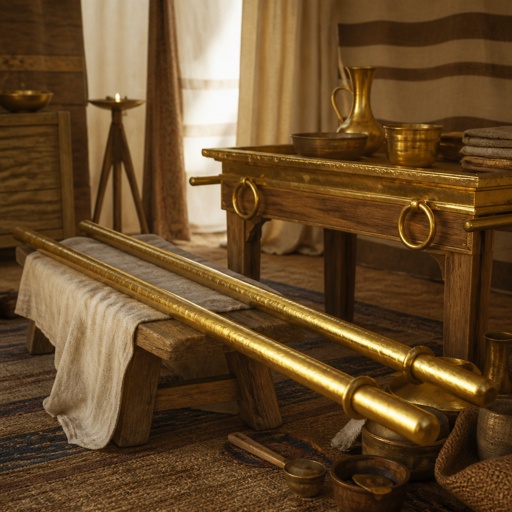
"And thou shalt make the staves of shittim wood, and overlay them with gold, that the table may be borne with them." - Exodus 25:28

"And thou shalt make the staves of shittim wood, and overlay them with gold, that the table may be borne with them." - Exodus 25:28

Exodus 22:28

Exodus 28:4

Exodus 23:28

Exodus 22:28

Exodus 32:28

Exodus 22:28

Exodus 22:28

exodus 28 ephod

Exodus 22:28

Exodus 28:4

Exodus 28:4

Exodus 22:28

Exodus 28:4

Exodus 22:28

Exodus 22:28

Exodus 22:28

Exodus 22:28

Exodus 22:28

Exodus 22:28

Exodus 23:28

Exodus 22:28

Exodus 22:28

Exodus 25:16

Exodus 25:31

Exodus 25:8