The Consecration of the Called: A Deeper Look at Exodus 29:20
"Then shalt thou kill the ram, and take of his blood, and put it upon the tip of the right ear of Aaron, and upon the tip of the right ear of his sons, and upon the thumb of their right hand, and upon the great toe of their right foot, and sprinkle the blood upon the altar round about." - Exodus 29:20
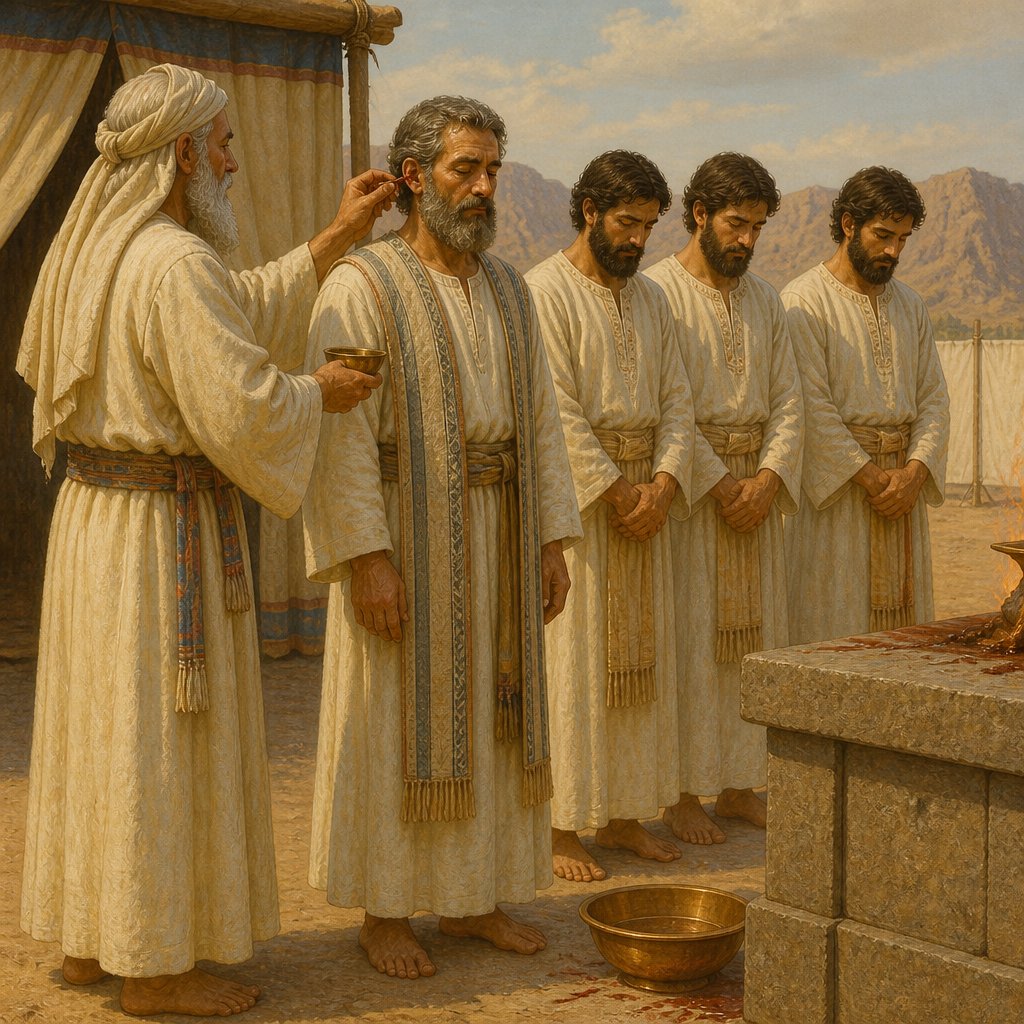
As we dive into the profound practices of the Old Testament, we find ourselves in the midst of the sacred rites of consecration that God laid before Aaron and his sons as they were set apart for their priestly duties. Exodus 29:20 presents us a powerful ritual, encapsulated in the words: "Then shalt thou kill the ram, and take of his blood, and put it upon the tip of the right ear of Aaron, and upon the tip of the right ear of his sons, and upon the thumb of their right hand, and upon the great toe of their right foot, and sprinkle the blood upon the altar round about." This verse is not just a historical account of ancient Israelite sacrifice; it is a divine instruction that reveals deep theological implications regarding service, sanctification, and our relationship with God.
To understand the significance of this ritual, we must consider what it meant to be a priest in the Old Testament. The priests were not only mediators between God and the people, they were representatives of holiness itself. Therefore, their consecration was not merely a ceremonial event; it symbolized their total dedication to God’s service. The killing of the ram and the subsequent application of its blood signify the seriousness of sin, the cost of atonement, and the necessity of sacrificial love. By this act, we are reminded that our journey towards holiness always involves a sacrifice, often one that lays down our own desires and aspirations.
The act of placing blood upon the right ear, right thumb, and right toe symbolizes more than a ritualistic action; it denotes complete consecration of one’s faculties to God. The ear represents the capacity to listen and obey God’s voice; the thumb represents the work of our hands, the tasks we undertake for the Kingdom; and the toe signifies our walk, our journey, and the direction of our lives. This alignment of the ear, hand, and foot illustrates that every part of our being is to be governed by a commitment to God’s will.
In today’s world, we too are called to live out this total devotion in a metaphorical sense. Romans 12:1 implores us to present our bodies as living sacrifices, holy and acceptable unto God. Just as Aaron and his sons were set apart through the blood of the ram, we are set apart through the blood of Jesus Christ. His sacrifice completes what the Old Testament sacrifices began; we are called to reflect that sacrifice in our daily lives.
Furthermore, the priestly blood ritual serves as a reminder of the theme of cleansing and renewal. In our lives, we often find ourselves tainted by sin and the burdens of this world. We can take comfort in the fact that the blood of Christ offers us a washing that is not confined to physical acts, but reaches deep into the soul, offering forgiveness, and setting us on a path of righteousness. It calls us to habitually seek His presence, to listen for His direction, and to move in ways that reflect His holiness.
As we reflect on Exodus 29:20, let us ask ourselves: Are we consecrating our ears to hear God clearly? Are our hands engaged only in that which glorifies Him? Do our steps align with His purpose? In this age where distractions abound, let this be a time of discipline and renewal. Let us embrace a life that mirrors the consecration of Aaron, marked and identified as God’s chosen people, living sacrifices for His glory.
As we uncover the layers of this ritual, let us remember that true service stems from a heart devoted to God and a life that continually surrenders to His work within us. By laying ourselves down in devotion, we can rise up as radiant reflections of His grace and love, fulfilling the high calling we carry as believers in Christ. As we draw closer to Him through the lens of sacrifice, may we be transformed to serve Him in spirit and truth.
Want to reflect more on Exodus 29:20?
Continue your spiritual journey with Bible Chat — an AI-powered tool for exploring God's Word through conversation. Ask questions, discover connections, and deepen your understanding.
Get Our Apps


Exodus 29:20 Artwork
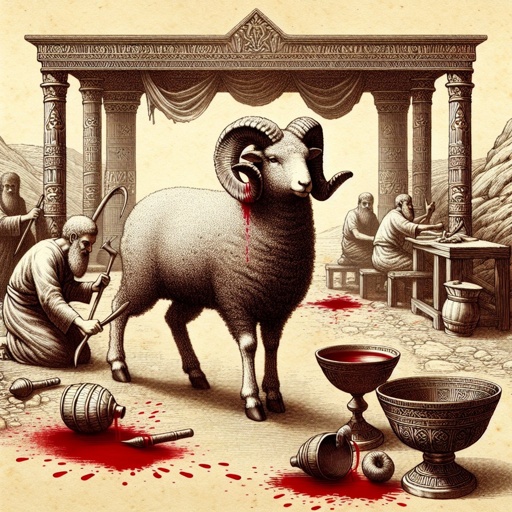
Exodus 29:20 - "Then shalt thou kill the ram, and take of his blood, and put it upon the tip of the right ear of Aaron, and upon the tip of the right ear of his sons, and upon the thumb of their right hand, and upon the great toe of their right foot, and sprinkle the blood upon the altar round about."
"Then shalt thou kill the ram, and take of his blood, and put it upon the tip of the right ear of Aaron, and upon the tip of the right ear of his sons, and upon the thumb of their right hand, and upon the great toe of their right foot, and sprinkle the blood upon the altar round about." - Exodus 29:20

Exodus 29:29 - "¶ And the holy garments of Aaron shall be his sons' after him, to be anointed therein, and to be consecrated in them."

Exodus 23:28-29

Psalm 89:20-29

Exodus 13:17-14:29

Matthew 20:29-34

Exodus 29:45 - "¶ And I will dwell among the children of Israel, and will be their God."

The Plague of Darkness - Exodus 10:21-29

The Plague of Darkness - Exodus 10:21-29

The Plague of Darkness - Exodus 10:21-29

The Plague of Darkness - Exodus 10:21-29

The Plague of Darkness - Exodus 10:21-29

The Plague of Darkness - Exodus 10:21-29

The Plague on the Firstborn - Exodus 12:29-38

The Plague of Darkness - Exodus 10:21-29

The Plague on the Firstborn - Exodus 12:29-38

Exodus 23:20

Exodus 20:2

Exodus 27:20

Exodus 27:20

Exodus 27:20

Exodus 20:14

The Plague of Darkness - Exodus 10:21-29

The Plague on the Firstborn - Exodus 12:29-38

The Plague of Darkness - Exodus 10:21-29

The Plague of Darkness - Exodus 10:21-29

1 Samuel 20:27-29

Exodus 29:8 - "And thou shalt bring his sons, and put coats upon them."

Exodus 38:29 - "And the brass of the offering was seventy talents, and two thousand and four hundred shekels."