The Holy Atonement: A Yearly Reminder of God's Grace
"And Aaron shall make an atonement upon the horns of it once in a year with the blood of the sin offering of atonements: once in the year shall he make atonement upon it throughout your generations: it is most holy unto the LORD." - Exodus 30:10
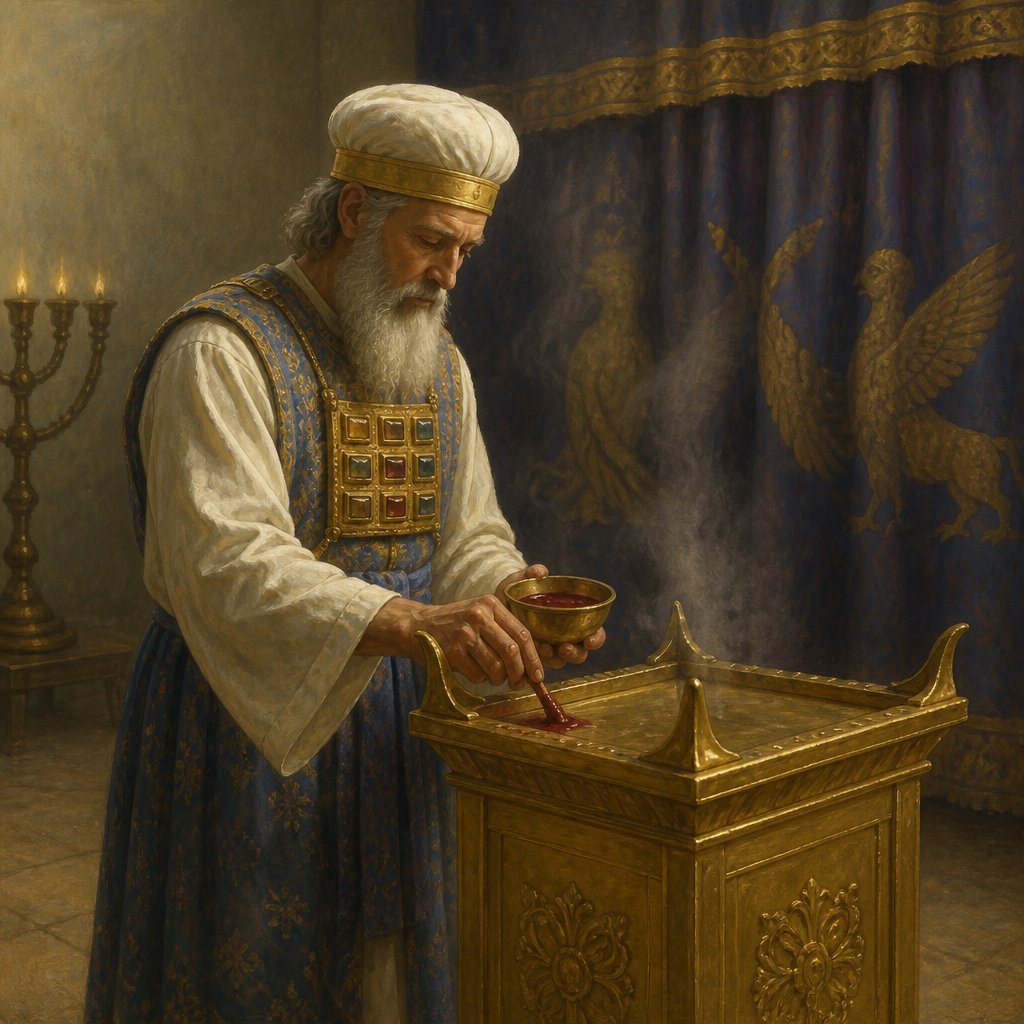
In Exodus 30:10, we read, "And Aaron shall make an atonement upon the horns of it once in a year with the blood of the sin offering of atonements: once in the year shall he make atonement upon it throughout your generations: it is most holy unto the LORD." This verse encapsulates the profound and sacred ritual of atonement that God commanded for His people. It is an invitation to explore the deep significance of atonement, the holiness of God, and our relationship with Him through these ancient practices.
At the outset, we recognize the key figure in this passage: Aaron, the appointed high priest. In the Old Testament, Aaron’s role was not merely functional; it was a divinely ordained position laden with immense responsibility. Each year, on the Day of Atonement (Yom Kippur), Aaron would enter the Holy of Holies to make atonement for the collective sins of the nation of Israel. This annual act was crucial for the spiritual health of the people and symbolized their need for reconciliation with God.
The term "atonement" comes from the Hebrew word *kaphar*, meaning to cover or to make amends. In this context, it signifies that the sins of the people were covered by the blood of an innocent sacrifice. The importance of this act cannot be overstated; it was a reminder that God is holy and cannot tolerate sin. The unblemished lamb or goat offered as a sin offering bore the punishment due to the people, illustrating the weight of sin and the high cost of redemption.
What is striking in this passage is the phrase "once in a year"—a designated time when the sins of the people were laid bare before a holy God, followed by a blood sacrifice that restored fellowship. This ritual reflects God's desire for intimate relationship with His people; while He is wholly just, He is equally merciful. This yearly ritual served as a constant reminder of sin’s seriousness and the grace of God's provision.
As we reflect on this ritual of atonement, we can draw direct parallels to our lives today. Firstly, it is essential to note that humanity still grapples with sin, often distancing itself from God. Romans 3:23 reminds us, "For all have sinned, and come short of the glory of God." Just as Israel needed atonement, we too are in desperate need of reconciliation with our Creator.
Moreover, the repeated nature of this annual sacrifice underscores our continual need for God’s grace. Each year, as the ritual commenced, it served as an annual checkpoint for the people of Israel to evaluate their lives and their relationship with God. It beckons us to consider: are we regularly examining our hearts and our lives in relation to God? Do we take time to confess and seek His forgiveness? The atonement was not just a transactional exercise; it was an invitation to intimacy with God, bringing the people back into a right relationship with Him.
As Christians, we stand in the light of the ultimate fulfillment of this sacrificial system—Jesus Christ, our perfect Lamb. Hebrews 9:12 says, "Neither by the blood of goats and calves, but by his own blood he entered in once into the holy place, having obtained eternal redemption for us." Here we see the grandeur of God's redemptive plan; the blood that once covered now cleanses and sanctifies us completely. Our atonement is not cyclical; it is final and complete through Christ.
In conclusion, let us not treat the ritual of atonement lightly. Exodus 30:10 tells us that it is to be regarded as "most holy unto the LORD." Today, may we approach our God, acknowledging our sinfulness and immense need for His grace. Let the remembrance of His provision through Christ inspire us to live lives that reflect His holiness and extend His grace generously to others. In doing so, we participate in the ongoing story of redemption, cultivated by God’s unwavering love.
Want to reflect more on Exodus 30:10?
Continue your spiritual journey with Bible Chat — an AI-powered tool for exploring God's Word through conversation. Ask questions, discover connections, and deepen your understanding.
Get Our Apps


Exodus 30:10 Artwork
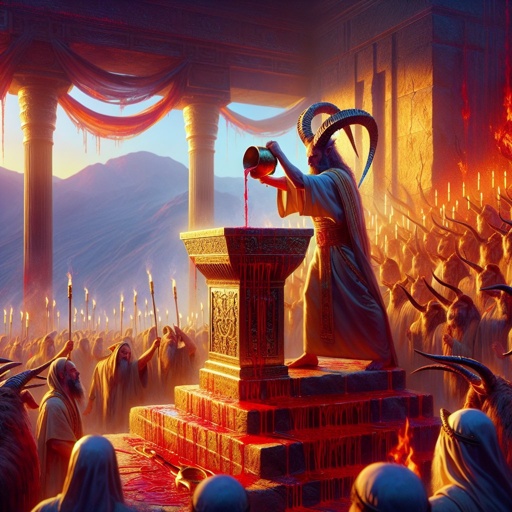
Exodus 30:10 - "And Aaron shall make an atonement upon the horns of it once in a year with the blood of the sin offering of atonements: once in the year shall he make atonement upon it throughout your generations: it is most holy unto the LORD."
"And Aaron shall make an atonement upon the horns of it once in a year with the blood of the sin offering of atonements: once in the year shall he make atonement upon it throughout your generations: it is most holy unto the LORD." - Exodus 30:10

Exodus 26:30

Exodus 28:30-43

Exodus 28:15-30

Exodus 30:30 - "And thou shalt anoint Aaron and his sons, and consecrate them, that they may minister unto me in the priest's office."

Exodus 16:30 - "So the people rested on the seventh day."

Exodus 30:17 - "¶ And the LORD spake unto Moses, saying,"

Exodus 30:11 - "¶ And the LORD spake unto Moses, saying,"

Exodus 30:22 - "¶ Moreover the LORD spake unto Moses, saying,"

Exodus 8:30 - "And Moses went out from Pharaoh, and intreated the LORD."

Exodus 30:26 - "And thou shalt anoint the tabernacle of the congregation therewith, and the ark of the testimony,"

John 10:30

John 10:30

Exodus 30:19 - "For Aaron and his sons shall wash their hands and their feet thereat:"

Exodus 30:27 - "And the table and all his vessels, and the candlestick and his vessels, and the altar of incense,"

Exodus 30:5 - "And thou shalt make the staves of shittim wood, and overlay them with gold."

Exodus 25:30 - "And thou shalt set upon the table shewbread before me alway."

Exodus 30:28 - "And the altar of burnt offering with all his vessels, and the laver and his foot."

The Plague on the Firstborn - Exodus 11, 12:1-30

Exodus 30:24 - "And of cassia five hundred shekels, after the shekel of the sanctuary, and of oil olive an hin:"

The Plague on the Firstborn - Exodus 11, 12:1-30

Mark 10:17-30

2 Chronicles 30:10

Exodus 9:30 - "But as for thee and thy servants, I know that ye will not yet fear the LORD God."

Mark 10:17-30

Genesis 30:10-11

Exodus 40:30 - "¶ And he set the laver between the tent of the congregation and the altar, and put water there, to wash withal."

John 10:30 - "I and my Father are one."
"So the people rested on the seventh day." - Exodus 16:30