Hearing the Voice of God in Our Wilderness
“And the LORD spake unto Moses, saying,” — Exodus 30:17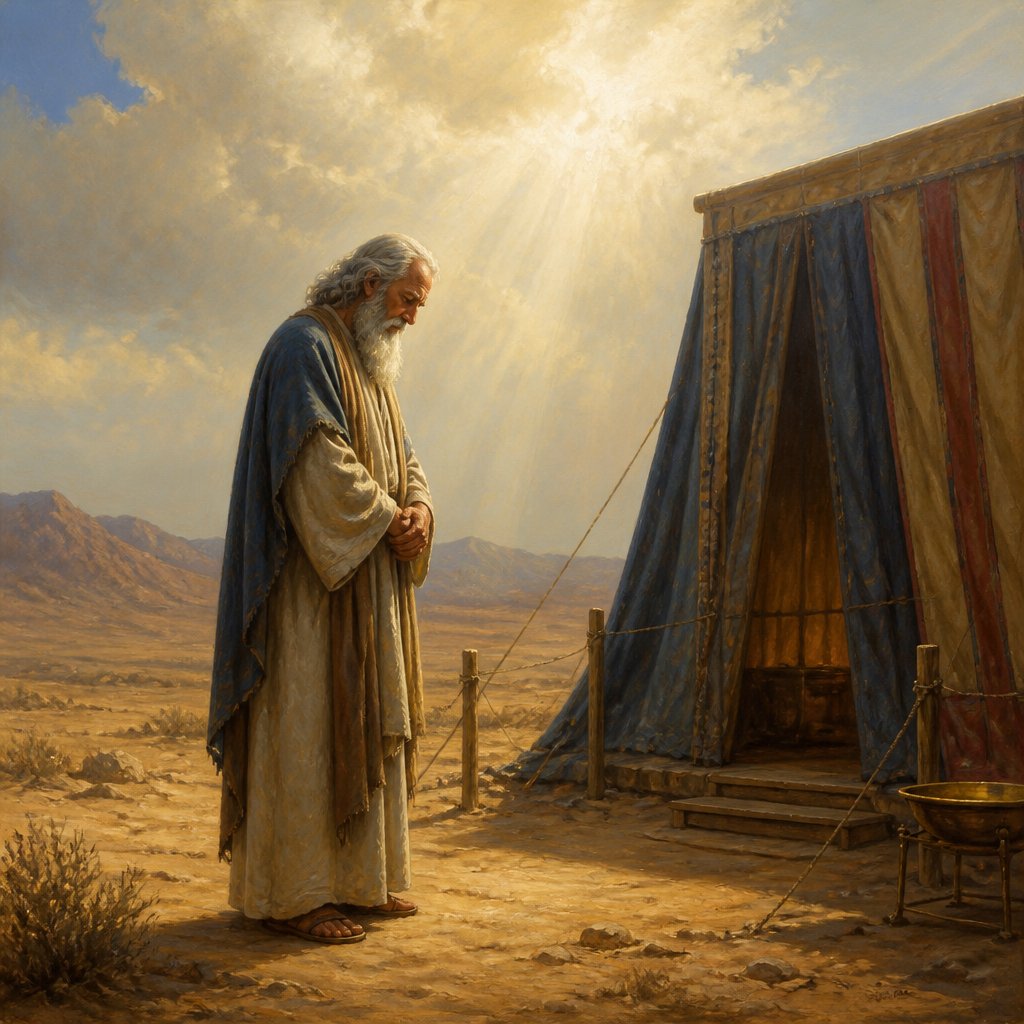
In the book of Exodus 30:17, we find a profound statement: "And the LORD spake unto Moses, saying." This simple yet powerful passage serves as a reminder of the importance of divine communication—not just in the lives of the ancient Israelites but also in our own spiritual journeys today. Through these words, the Lord is not only initiating a conversation with Moses but also demonstrating a key principle of our relationship with Him: God desires to communicate with us.
God's conversations with Moses came during a pivotal time for the Israelites. They were navigating the wilderness, transitioning from bondage in Egypt to the Promised Land. This was a time of uncertainty, fear, and learning to trust God’s provision. Similarly, many of us find ourselves in wilderness moments—periods where we are unsure about our next steps, feelings of isolation, or instances of intense testing. In these seasons, it becomes crucial to recognize that God is speaking, guiding, and leading, even when we cannot clearly perceive it.
When the Lord spoke to Moses, He provided instruction, reassurance, and wisdom. The act of God communicating could be seen as an affirmation of His commitment to lead His people. It reassured Moses that God had not abandoned him or the Israelites. God’s voice brought clarity and purpose to a confused and weary people. How often do we forget that in the midst of our struggles, God is ready to have a conversation? He listens, responds, and guides us through the wilderness moments of our lives.
In our fast-paced world, it can be easy to overlook the importance of stillness and attentiveness required to hear from God. However, just as Moses had to carve out time to listen, we, too, are called to prioritize our time with God, allowing Him to speak into our lives. The silence of our spiritual ears can often drown out His gentle whispers. Thus, we must cultivate quiet moments of reflection, prayer, and reading His Word. It is in these sacred spaces that we can open ourselves to receiving divine guidance.
Moreover, God's dialogue with Moses is an invitation for us to engage in a two-way communication. While we often come to Him with our needs, prayers, and praises, we also must create moments where we can sit quietly and listen. When was the last time you sat in silence, inviting God to speak into your heart? Perhaps you can dedicate a time at dusk or dawn, turning off the distractions of technology, and simply resting in His presence.
As we reflect on Exodus 30:17, it is important to remember that God’s spoken word is alive and active. Hebrews 4:12 tells us that "the word of God is quick, and powerful, and sharper than any twoedged sword." When God speaks, He does so with authority, power, and purpose. His words may challenge us, encourage us, or redirect us along the way. Therefore, our expectancy should be that He will indeed speak as we commune with Him.
Finally, let this verse encourage us to be confident that God desires relationship with us. His communication to Moses was not mere instruction; it was an invitation to intimacy. Through Christ, we now have direct access to God, the ultimate communicator. He knows our struggles and desires to reassure us of His presence and His plans for us. As we meditate on His Word, let us be sensitive to His voice, trusting that He is continually speaking to us, offering guidance and clarity in all aspects of our lives.
In conclusion, as we navigate our own wilderness experiences, let us embrace the truth that God longs to converse with us. "And the LORD spake unto Moses, saying" represents both an invitation and a promise, assuring us that He walks with us through every trial. May we listen attentively and respond wholeheartedly.
Get our apps


Artwork for Exodus 30:17

Exodus 30:17 - "¶ And the LORD spake unto Moses, saying,"
"¶ And the LORD spake unto Moses, saying," - Exodus 30:17

Exodus 26:30

Exodus 28:30-43

Exodus 28:15-30

Exodus 30:30 - "And thou shalt anoint Aaron and his sons, and consecrate them, that they may minister unto me in the priest's office."

Exodus 16:30 - "So the people rested on the seventh day."

Exodus 30:11 - "¶ And the LORD spake unto Moses, saying,"

Exodus 30:22 - "¶ Moreover the LORD spake unto Moses, saying,"

Mark 10:17-30

Mark 10:17-30

Exodus 8:30 - "And Moses went out from Pharaoh, and intreated the LORD."

Exodus 30:26 - "And thou shalt anoint the tabernacle of the congregation therewith, and the ark of the testimony,"

Exodus 30:19 - "For Aaron and his sons shall wash their hands and their feet thereat:"

Exodus 17:10

Exodus 17:11

Exodus 17:6

Exodus 17:3

Exodus 17:3

Exodus 17:6

Exodus 17:6

Exodus 24:17

Exodus 17:6

Exodus 30:27 - "And the table and all his vessels, and the candlestick and his vessels, and the altar of incense,"

Exodus 30:5 - "And thou shalt make the staves of shittim wood, and overlay them with gold."

Exodus 25:30 - "And thou shalt set upon the table shewbread before me alway."

Exodus 30:28 - "And the altar of burnt offering with all his vessels, and the laver and his foot."

The Plague on the Firstborn - Exodus 11, 12:1-30

Exodus 30:24 - "And of cassia five hundred shekels, after the shekel of the sanctuary, and of oil olive an hin:"

The Plague on the Firstborn - Exodus 11, 12:1-30