The Anointing Oil: A Symbol of God’s Presence
“And of cassia five hundred shekels, after the shekel of the sanctuary, and of oil olive an hin:” — Exodus 30:24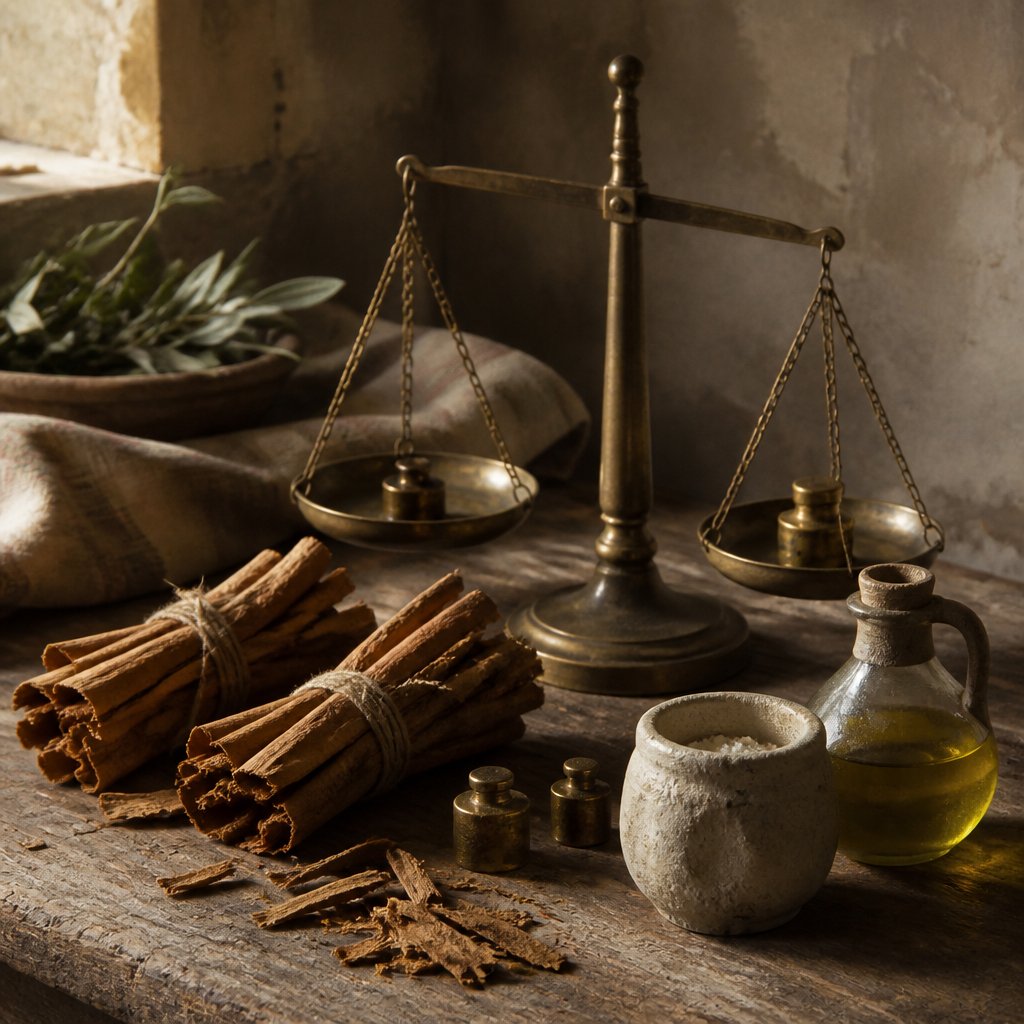
In Exodus 30:24, we find a profound directive given by God regarding the ingredients for the anointing oil used in the consecration of the priests and the furnishings of the tabernacle, stated as: "And of cassia five hundred shekels, after the shekel of the sanctuary, and of oil olive an hin." When we pause to consider the significance of these ingredients and the act of anointing itself, we uncover deep spiritual truths that resonate through the ages.
The context of Exodus is rich with symbolism. The Israelites had just received the Law, and the tabernacle was designed as a dwelling place for God among His people. The anointing oil was not merely a physical substance but a divine mixture that represented God's presence, holiness, and the empowering of His servants. Specifically, the mixture was composed of the finest spices, indicating that everything pertaining to God is to be done excellently and with purpose.
Cassia, one of the key ingredients, is an aromatic herb known for its sweet fragrance. In biblical times, it was highly valued, and its use in the anointing oil signifies the sweetness of communion with God. Just as cassia releases its delightful aroma when crushed, we too often find that the pressures and trials of life can reveal the sweetness of God’s grace within us. As we are ‘pressed’ by the weight of our circumstances, the fragrance of Christ can be displayed to the world around us.
The specificity of 'five hundred shekels' and ‘an hin’ of olive oil emphasizes the need for God's people to follow His precise instructions. God desires that we seek to understand His ways and adhere to His commands. The anointing oil was not for common use; it was a sacred mixture meant solely for holy purposes, marking the significance of the priestly role. When we are anointed with the Holy Spirit, we are set apart for God’s work. This anointing is not just for leaders or priests but for all believers. Every follower of Christ has been given the Holy Spirit, enabling them to live in accordance with God's divine purpose.
Furthermore, oil in Scripture is often a metaphor for the Holy Spirit. The hin, a measure for oil, points to an abundance provided by God. When we ask for the Holy Spirit in our lives, we can be assured that He does not give sparingly; rather, He fills us to overflowing. That is the essence of the anointing function — to empower, enable, and equip us for the tasks that He calls us to undertake.
In our daily lives, we must embrace this calling to be vessels of His presence. In 2 Corinthians 1:22, Paul states, "Who hath also sealed us, and given the earnest of the Spirit in our hearts.” This signifies that believers are marked and empowered by God’s Spirit, setting us apart for His glory.
As we reflect on the mention of cassia and olive oil, let us also consider our need for spiritual renewal and empowerment. We often attempt to navigate life relying solely on our own strength, forgetting that it is the anointing oil of the Holy Spirit that equips us for service and draws us into communion with God. In prayer, we can invite the Holy Spirit to fill us anew, bringing fresh revelations of God’s love and directing us in ways that honor Him.
In today’s world that can feel overwhelming, let us remember that God has provided us with the means to walk in His presence confidently. Just as the priests were set apart with a specific anointing, so are we called to be a "royal priesthood" (1 Peter 2:9), to declare the glory of God.
This week, take time to contemplate how you can engage with the Holy Spirit's anointing in your life, reminding yourself that you carry a fragrant presence that can glorify God in your community and beyond.
Get our apps


Artwork for Exodus 30:24

Exodus 30:24 - "And of cassia five hundred shekels, after the shekel of the sanctuary, and of oil olive an hin:"
"And of cassia five hundred shekels, after the shekel of the sanctuary, and of oil olive an hin:" - Exodus 30:24

Exodus 26:30

Genesis 24-30

Exodus 28:30-43

Exodus 28:15-30

Matthew 24:30-31

Matthew 24:30-31

Matthew 24:30-31

Matthew 24:30-31

Matthew 24:30-31

Matthew 24:30-31

Matthew 24:30-31

Matthew 24:30-31

Matthew 24:30-31

Matthew 24:30-31

Exodus 30:30 - "And thou shalt anoint Aaron and his sons, and consecrate them, that they may minister unto me in the priest's office."

Exodus 16:30 - "So the people rested on the seventh day."

Exodus 30:17 - "¶ And the LORD spake unto Moses, saying,"

Exodus 30:11 - "¶ And the LORD spake unto Moses, saying,"

Exodus 24:16

Exodus 24:17

Exodus 30:22 - "¶ Moreover the LORD spake unto Moses, saying,"

Exodus 24:4

Joshua 24:30 the location of mountains

Exodus 8:30 - "And Moses went out from Pharaoh, and intreated the LORD."

Exodus 30:26 - "And thou shalt anoint the tabernacle of the congregation therewith, and the ark of the testimony,"

Exodus 7:14-24

Exodus 24:9-11

Exodus 30:19 - "For Aaron and his sons shall wash their hands and their feet thereat:"