The Holy Fragrance of Worship: Understanding Exodus 30:9
"Ye shall offer no strange incense thereon, nor burnt sacrifice, nor meat offering; neither shall ye pour drink offering thereon." - Exodus 30:9
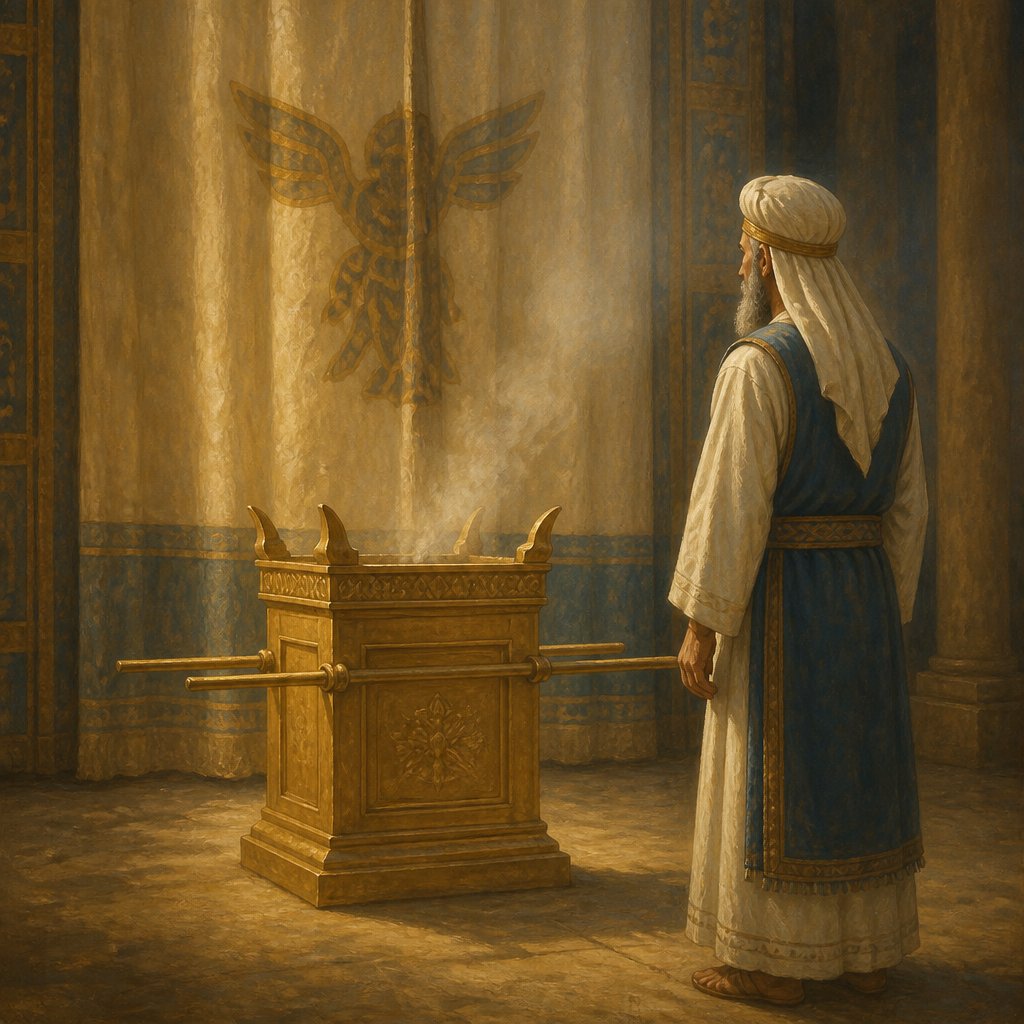
As we delve into Exodus 30:9, we encounter a pivotal moment in God's instructions to the Israelites regarding their worship practices in the tabernacle. The verse reads: "Ye shall offer no strange incense thereon, nor burnt sacrifice, nor meat offering; neither shall ye pour drink offering thereon." At first glance, this directive may seem specific to the rituals of ancient Israel, yet it carries profound truths about the nature of our offerings to God even today.
The context for this verse lies in the instructions given to Moses for the construction and service of the tabernacle, God's dwelling place among His people. The altar of incense was to be a sacred space, reserved solely for the incense that God Himself had prescribed, representing the pure and holy worship that was expected in the presence of the Almighty. This raises an important theological principle regarding the nature of our relationship with God and the way we approach Him in worship.
When God describes the incense as "strange" or unauthorized, He is emphasizing the importance of purity in worship. In ancient times, the Israelites were surrounded by pagan nations that often intermixed their deities’ worship with various rituals that included strange incenses and irregular sacrifices. The Israelites were forbade to adopt these foreign practices, as God called them to be holy, set apart, and distinct from the nations. This need for purity resonated then and continues to resonate now—true worship should not be diluted or tainted by influences contrary to God's will.
In our contemporary context, we might not deal explicitly with sinful sacrifices or strange incense, but we often face the challenge of what we offer to God in our worship. Just as the Israelites had to guard against strange offerings, we also must examine our lives critically to ensure that we are not mixing our worship with the values, philosophies, or practices of a world that does not honor God's holiness. This calls us to reflect: what are we bringing before God in our personal worship? Are we offering our time, priorities, and thoughts in a manner that echoes His will?
Moreover, God’s refusal of strange offerings highlights the significance of divine appointment. The worshippers of Israel were taught that their relationship with God was not based on their own ideas or preferences but was predicated upon His commands. He was not just their deity; He was their King, and as such, He established the boundaries of acceptable worship. We should approach God with a reverence that acknowledges His authority and holiness. In worship today, how often do we pause to consider whether our expressions of worship—be they songs, prayers, or acts of service—align with the nature of God we read about in Scripture?
The verse places an emphasis on God’s ownership over true worship. In a world where individualism reigns, and personal preferences are prioritized, we can be tempted to create our own constructs of worship that cater more to ourselves than to God. He calls us to come as we are, but also to prepare ourselves and our offerings in a manner that reflects His character. As Paul writes in Romans 12:1, "I beseech you therefore, brethren, by the mercies of God, that ye present your bodies a living sacrifice, holy, acceptable unto God, which is your reasonable service." This instruction aligns perfectly with the essence of Exodus 30:9.
Finally, as we transition from the Old Testament into the New, we see the completion of God’s redemptive work through Christ. His ultimate sacrifice serves as a perfect offering, fulfilling the need for acceptable worship forever. In Him, we find not only the way to approach God but also the empowerment to worship in spirit and truth. Through Jesus, we are called to offer our lives, not as strange incense or foreign sacrifices, but as living testimonies of His grace, reflecting His love and holiness to the world around us.
In conclusion, dear followers of Christ, let us take the words of Exodus 30:9 to heart. Let us ensure that in our lives, the offerings we bring are pure, holy, and acceptable in the sight of God, reflecting His glory and His goodness to a world that desperately needs it.
Want to reflect more on Exodus 30:9?
Continue your spiritual journey with Bible Chat — an AI-powered tool for exploring God's Word through conversation. Ask questions, discover connections, and deepen your understanding.
Get Our Apps


Exodus 30:9 Artwork
Exodus 30:9 - "Ye shall offer no strange incense thereon, nor burnt sacrifice, nor meat offering; neither shall ye pour drink offering thereon."
"Ye shall offer no strange incense thereon, nor burnt sacrifice, nor meat offering; neither shall ye pour drink offering thereon." - Exodus 30:9

Exodus 9:30 - "But as for thee and thy servants, I know that ye will not yet fear the LORD God."
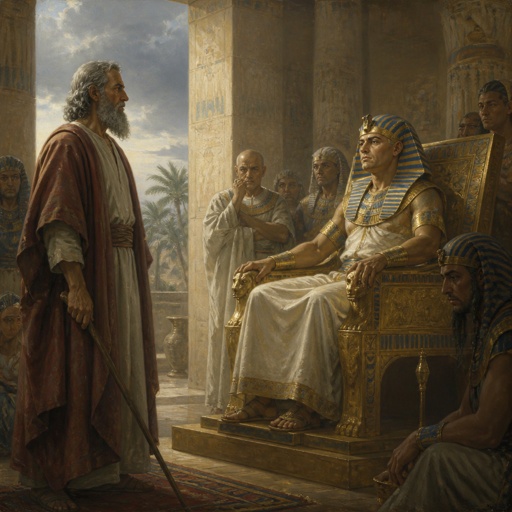
"But as for thee and thy servants, I know that ye will not yet fear the LORD God." - Exodus 9:30

Exodus 26:30

Exodus 28:30-43

Exodus 28:15-30

Exodus 30:30 - "And thou shalt anoint Aaron and his sons, and consecrate them, that they may minister unto me in the priest's office."

Exodus 16:30 - "So the people rested on the seventh day."

Exodus 30:17 - "¶ And the LORD spake unto Moses, saying,"

Exodus 30:11 - "¶ And the LORD spake unto Moses, saying,"

Exodus 30:22 - "¶ Moreover the LORD spake unto Moses, saying,"

Exodus 8:30 - "And Moses went out from Pharaoh, and intreated the LORD."

luke 9:30

Exodus 30:26 - "And thou shalt anoint the tabernacle of the congregation therewith, and the ark of the testimony,"

Exodus 30:19 - "For Aaron and his sons shall wash their hands and their feet thereat:"

Exodus 30:27 - "And the table and all his vessels, and the candlestick and his vessels, and the altar of incense,"

Exodus 30:5 - "And thou shalt make the staves of shittim wood, and overlay them with gold."

Exodus 25:30 - "And thou shalt set upon the table shewbread before me alway."

Exodus 30:28 - "And the altar of burnt offering with all his vessels, and the laver and his foot."

The Plague on the Firstborn - Exodus 11, 12:1-30

Exodus 30:24 - "And of cassia five hundred shekels, after the shekel of the sanctuary, and of oil olive an hin:"

luke 9:29- 30

The Plague on the Firstborn - Exodus 11, 12:1-30

Exodus 40:30 - "¶ And he set the laver between the tent of the congregation and the altar, and put water there, to wash withal."
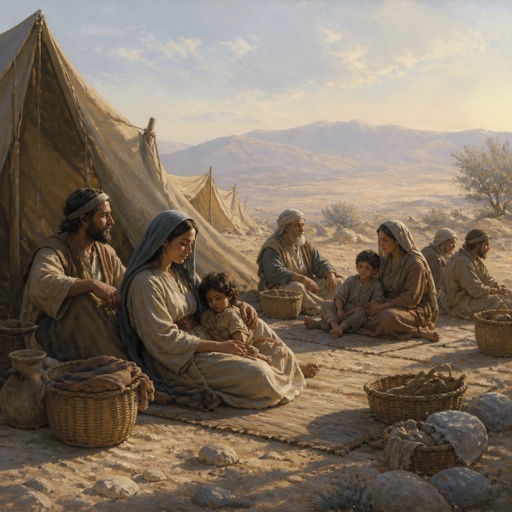
"So the people rested on the seventh day." - Exodus 16:30

Exodus 26:30 - "And thou shalt rear up the tabernacle according to the fashion thereof which was shewed thee in the mount."

Exodus 30:35 - "And thou shalt make it a perfume, a confection after the art of the apothecary, tempered together, pure and holy:"

Exodus 30:1 - "And thou shalt make an altar to burn incense upon: of shittim wood shalt thou make it."

Exodus 30:29 - "And thou shalt sanctify them, that they may be most holy: whatsoever toucheth them shall be holy."