The Sacred Craftsmanship of Worship
“And the altar of burnt offering with all his furniture, and the laver and his foot,” — Exodus 31:9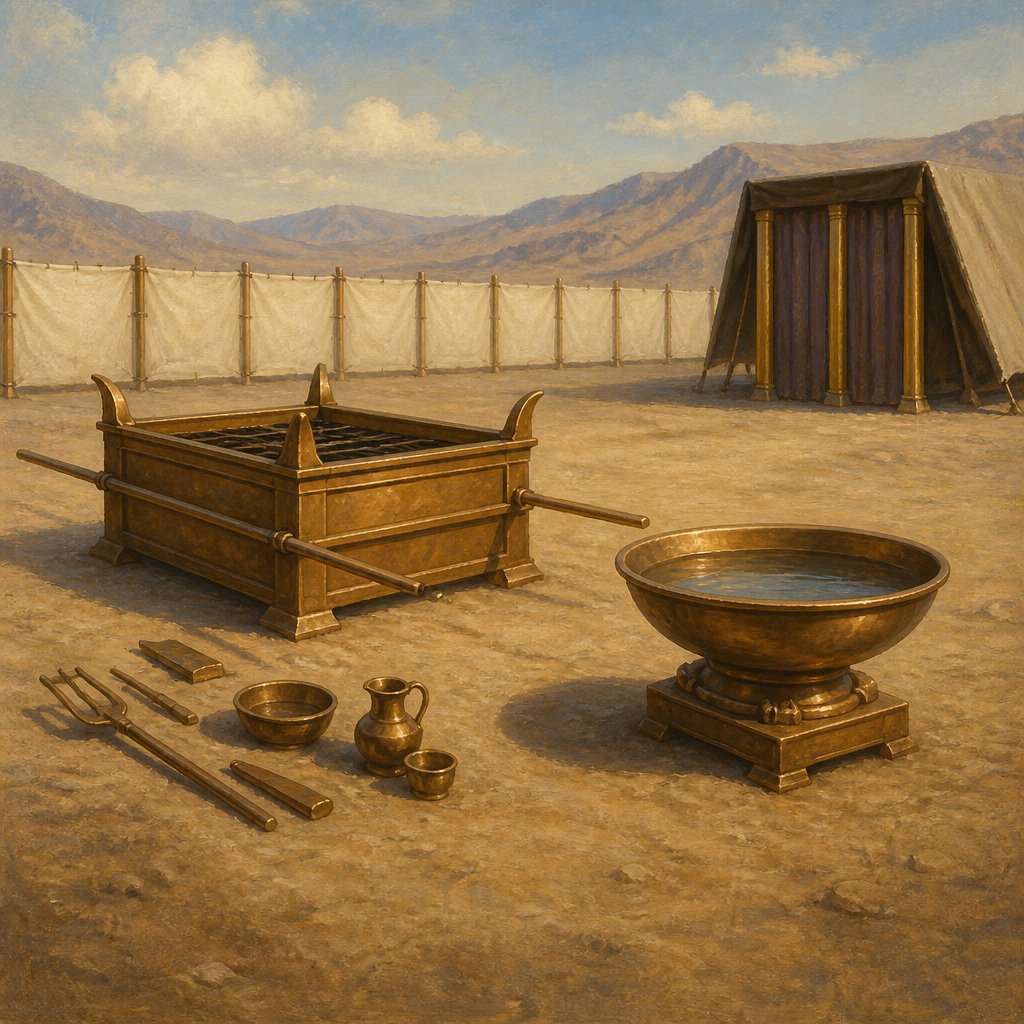
Exodus 31:9 gives us a vivid glimpse into the heart of God’s instructions for worship: "And the altar of burnt offering with all his furniture, and the laver and his foot." This verse may seem to focus on the physical elements of the tabernacle, but it points to deeper spiritual truths about how we approach God and prepare ourselves for worship.
In the context of Exodus, God is delineating the holy spaces and objects that will serve as conduits for His presence among His people. To understand the significance of these items, we must first consider the nature of the burnt offering and the altar itself. In ancient Israel, the altar of burnt offering was the central place of atonement, where sacrifices were made to reconcile the people with God. It was not merely a piece of furniture; it was a divine appointment for restoration, a sacred space where sin was confronted and forgiveness was granted.
The act of presenting an offering was deeply symbolic. It represented the surrender of self, the acknowledgement of sin, and the need for divine intervention. Bringing a burnt offering to God illustrated a profound recognition that one cannot come into the presence of a holy God without first addressing one’s sinfulness. The very act of sacrifice was a reminder that something innocent must bear the weight of guilt in order for reconciliation to occur. This is a foreshadowing of the ultimate sacrifice: Jesus Christ, the Lamb of God, who would be offered once for all as an atonement for our sins.
In our contemporary context, the altar speaks to us about our own approach to God in worship. What does it mean for us to bring our own ‘burnt offerings’ to the Lord today? It is not about livestock or grain, but about our hearts, our lives, and our intentions. Just as the Israelites had to prepare their offerings with care and intention, so too must we approach God with sincerity. Romans 12:1 urges us to present our bodies as living sacrifices, holy and acceptable to God, which is our reasonable service. This call to offer ourselves echoes the same themes found in Exodus.
The mention of the laver and its foot completes this picture of worship. The laver was used for purification; priests would wash their hands and feet before approaching the altar. This act symbolized purification from the impurities of daily life. In our spiritual journey, cleansing is equally vital. We must remember that before we can truly offer ourselves in worship, we need to examine our lives, repent of our sins, and seek purification.
We live in a world that often distracts us from this sacred act of preparation. The busyness of life can pull us away from the altar and the laver, where we encounter God’s grace and power. Yet, when we take time to meditate on these aspects of worship, we acknowledge our need for Him and invite His cleansing touch into our lives. As 1 John 1:9 reminds us, "If we confess our sins, he is faithful and just to forgive us our sins, and to cleanse us from all unrighteousness."
Moreover, Exodus 31:9 encourages us to reflect on the intentionality with which God crafts every element of worship. Just as the altar and the laver served a purposeful role in the worship of Israel, our worship must also be rooted in a clear understanding of its purpose—drawing closer to God and expressing adoration, reverence, and gratitude.
In closing, as we examine our own lives and how we approach God, let us do so with the sacred awareness that worship is not just about singing songs or attending church services. It is about an intimate encounter with the Creator, marked by confession, surrender, and transformation. Let us come to our altar with hearts open to God’s grace, ready to receive His cleansing, and willing to be vessels for His work.
Get our apps


Artwork for Exodus 31:9

Exodus 31:9 - "And the altar of burnt offering with all his furniture, and the laver and his foot,"
"And the altar of burnt offering with all his furniture, and the laver and his foot," - Exodus 31:9

Exodus 9:31 - "And the flax and the barley was smitten: for the barley was in the ear, and the flax was bolled."
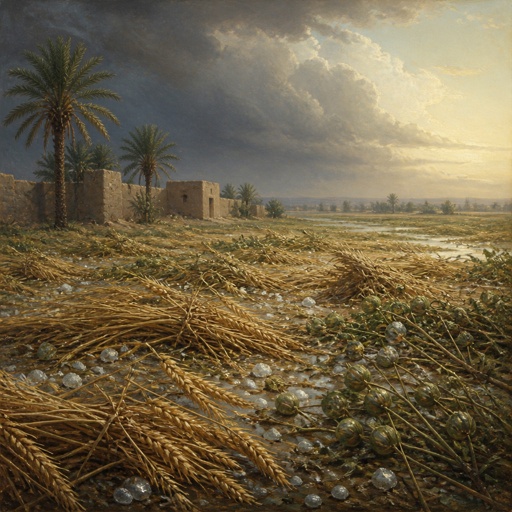
"And the flax and the barley was smitten: for the barley was in the ear, and the flax was bolled." - Exodus 9:31

Exodus 31: 18

Exodus 25:31

Exodus 26:31

Exodus 26:31

Exodus 26:31

Exodus 28:31-43

Exodus 28:31-34

Exodus 28:31-43

Exodus 28:31-34

Exodus 28:31-34

Exodus 26:31-33

Exodus 31:12 - "¶ And the LORD spake unto Moses, saying,"

Exodus 31:1 - "And the LORD spake unto Moses, saying,"

Exodus 28:31 - "¶ And thou shalt make the robe of the ephod all of blue."

Exodus 31:4 - "To devise cunning works, to work in gold, and in silver, and in brass,"

Exodus 25:31-40 This is an oil lampstand.

Exodus 40:31 - "And Moses and Aaron and his sons washed their hands and their feet thereat:"

Exodus 29:31 - "¶ And thou shalt take the ram of the consecration, and seethe his flesh in the holy place."

Exodus 31:7 - "The tabernacle of the congregation, and the ark of the testimony, and the mercy seat that is thereupon, and all the furniture of the tabernacle,"

Exodus 31:5 - "And in cutting of stones, to set them, and in carving of timber, to work in all manner of workmanship."

Exodus 31:8 - "And the table and his furniture, and the pure candlestick with all his furniture, and the altar of incense,"

Exodus 36:31 - "¶ And he made bars of shittim wood; five for the boards of the one side of the tabernacle,"

Exodus 39:31 - "And they tied unto it a lace of blue, to fasten it on high upon the mitre; as the LORD commanded Moses."

"And the LORD spake unto Moses, saying," - Exodus 31:1

"¶ And the LORD spake unto Moses, saying," - Exodus 31:12

Exodus 25:31 This is an oil lampstand. No actual candles are used.