Cherubims and the Mercy Seat: A Glimpse of God's Divine Presence
“And he made two cherubims of gold, beaten out of one piece made he them, on the two ends of the mercy seat;” — Exodus 37:7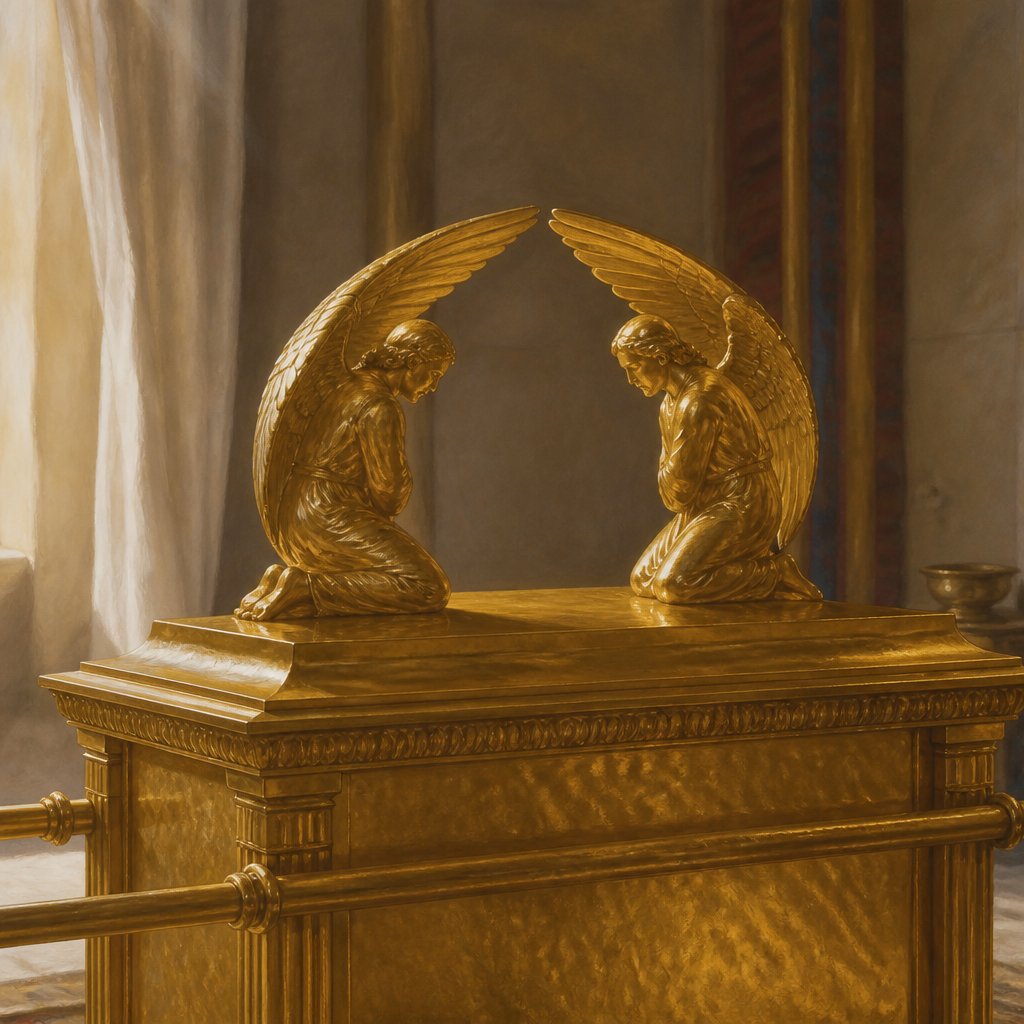
In Exodus 37:7, we read, "And he made two cherubims of gold, beaten out of one piece made he them, on the two ends of the mercy seat." This verse may appear to simply describe a piece of artistic craftsmanship within the context of the Israelites’ tabernacle, but it offers profound insights into God's nature, His relationship with humanity, and the significance of mercy in our lives.
The imagery of cherubim is steeped in biblical significance. Cherubim are heavenly creatures often depicted as guardians of God's holiness and glory. They serve as a reminder that the presence of God is both majestic and sacred. The fact that these cherubim were crafted from a single piece of gold emphasizes unity and intentionality in God's design. Just as the cherubim are an integral part of the mercy seat, so too are we called to be woven into the very fabric of God's presence in the world.
The mercy seat itself, where the cherubim are positioned, symbolizes God's throne and His willingness to dwell among His people. In the Old Testament, the mercy seat was the place where the high priest would sprinkle the blood of atonement once a year during Yom Kippur, the Day of Atonement. This act represents God's desire to engage in a relationship with His people, despite their sin. The mercy seat is thus a physical manifestation of divine mercy and grace — a powerful reminder that God extends His love and forgiveness to humanity.
As we reflect on the design of the cherubim and the mercy seat, we are invited to consider the significance of mercy in our own lives. In a world that often emphasizes judgment and condemnation, God calls us to embrace mercy. Jesus, who came as the fullness of grace and truth, taught us, "Blessed are the merciful: for they shall obtain mercy" (Matthew 5:7). The design of the cherubim, intimately linked to the mercy seat, reminds us that receiving mercy is inextricably tied to extending it to others.
When we look at our interactions with others, are we embodying the spirit of mercy that reflects God’s character? Are we quick to judge, or do we seek to show compassion and understanding? The beating of gold to create the cherubim serves as a metaphor for the transformative process we go through when we respond to God's mercy. Just as gold is refined through heat and manipulation, we too must sometimes endure challenges that shape us into vessels of mercy.
Moreover, the placement of the cherubim on either end of the mercy seat, facing each other, symbolizes the duality of God’s presence: His mercy reaching out to envelop us and His holiness that requires a response. In approaching God with reverence, we are reminded that His love does not overlook our shortcomings but rather offers restoration and hope.
In our prayer life, let us approach God's mercy seat with humility, acknowledging our need for His grace. Just like the high priest, we too have a mediator in Christ, who stands on our behalf, ever ready to intercede. As we kneel before the throne of grace, let us ask God to help us extend the same mercy we have received to those around us - in our homes, workplaces, and communities.
In conclusion, Exodus 37:7 calls us to reflect on the beauty of God’s mercy and the structure of His presence among us. The cherubim, crafted from one piece of gold, invite us to live in unity with God and one another, while the mercy seat reminds us that in the heart of the divine is a deep well of grace. As we remember the significance of these heavenly beings and the place where mercy reigns, let us strive each day to embody the mercy we have received and reflect the glory of our Creator.
Get our apps


Artwork for Exodus 37:7

Exodus 37:7 - "And he made two cherubims of gold, beaten out of one piece made he them, on the two ends of the mercy seat;"
"And he made two cherubims of gold, beaten out of one piece made he them, on the two ends of the mercy seat;" - Exodus 37:7

Exodus 39:37

Exodus 39:37
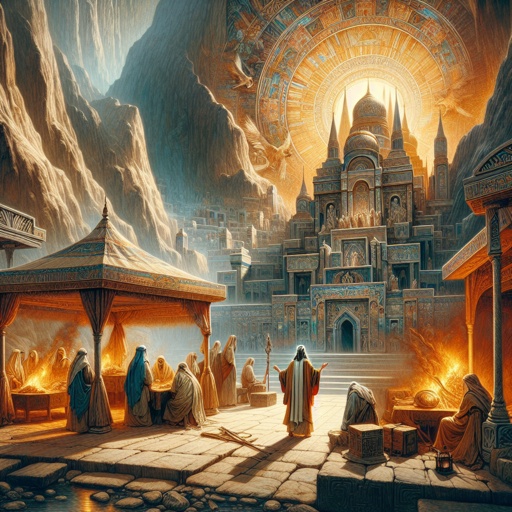
Exodus 39:37

John 7:37-39

John 7:37-39

Exodus 37:24 - "Of a talent of pure gold made he it, and all the vessels thereof."

Exodus 37:4 - "And he made staves of shittim wood, and overlaid them with gold."

Ezekiel 37:7

Psalms 37:7

Exodus 37:28 - "And he made the staves of shittim wood, and overlaid them with gold."

Exodus 37:5 - "And he put the staves into the rings by the sides of the ark, to bear the ark."

Exodus 37:14 - "Over against the border were the rings, the places for the staves to bear the table."

Exodus 40:37 - "But if the cloud were not taken up, then they journeyed not till the day that it was taken up."

Exodus 37:15 - "And he made the staves of shittim wood, and overlaid them with gold, to bear the table."

Exodus 37:11 - "And he overlaid it with pure gold, and made thereunto a crown of gold round about."

Exodus 37:22 - "Their knops and their branches were of the same: all of it was one beaten work of pure gold."

Mark 7:31-37

Ezekiel 37 1-7

Mark 7:31-37

Exodus 37:2 - "And he overlaid it with pure gold within and without, and made a crown of gold to it round about."

Exodus 37:20 - "And in the candlestick were four bowls made like almonds, his knops, and his flowers:"

Exodus 37:23 - "And he made his seven lamps, and his snuffers, and his snuffdishes, of pure gold."

Exodus 37:29 - "¶ And he made the holy anointing oil, and the pure incense of sweet spices, according to the work of the apothecary."

Exodus 36:37 - "¶ And he made an hanging for the tabernacle door of blue, and purple, and scarlet, and fine twined linen, of needlework;"

Exodus 28:37 - "And thou shalt put it on a blue lace, that it may be upon the mitre; upon the forefront of the mitre it shall be."

Exodus 39:37 - "The pure candlestick, with the lamps thereof, even with the lamps to be set in order, and all the vessels thereof, and the oil for light,"

Exodus 37:13 - "And he cast for it four rings of gold, and put the rings upon the four corners that were in the four feet thereof."

1 Chronicles 7:37 - "Bezer, and Hod, and Shamma, and Shilshah, and Ithran, and Beera."