Sacrifice in the Wilderness: A Call to Freedom
“And they shall hearken to thy voice: and thou shalt come, thou and the elders of Israel, unto the king of Egypt, and ye shall say unto him, The LORD God of the Hebrews hath met with us: and now let us go, we beseech thee, three days’ journey into the wilderness, that we may sacrifice to the LORD our God.” — Exodus 3:18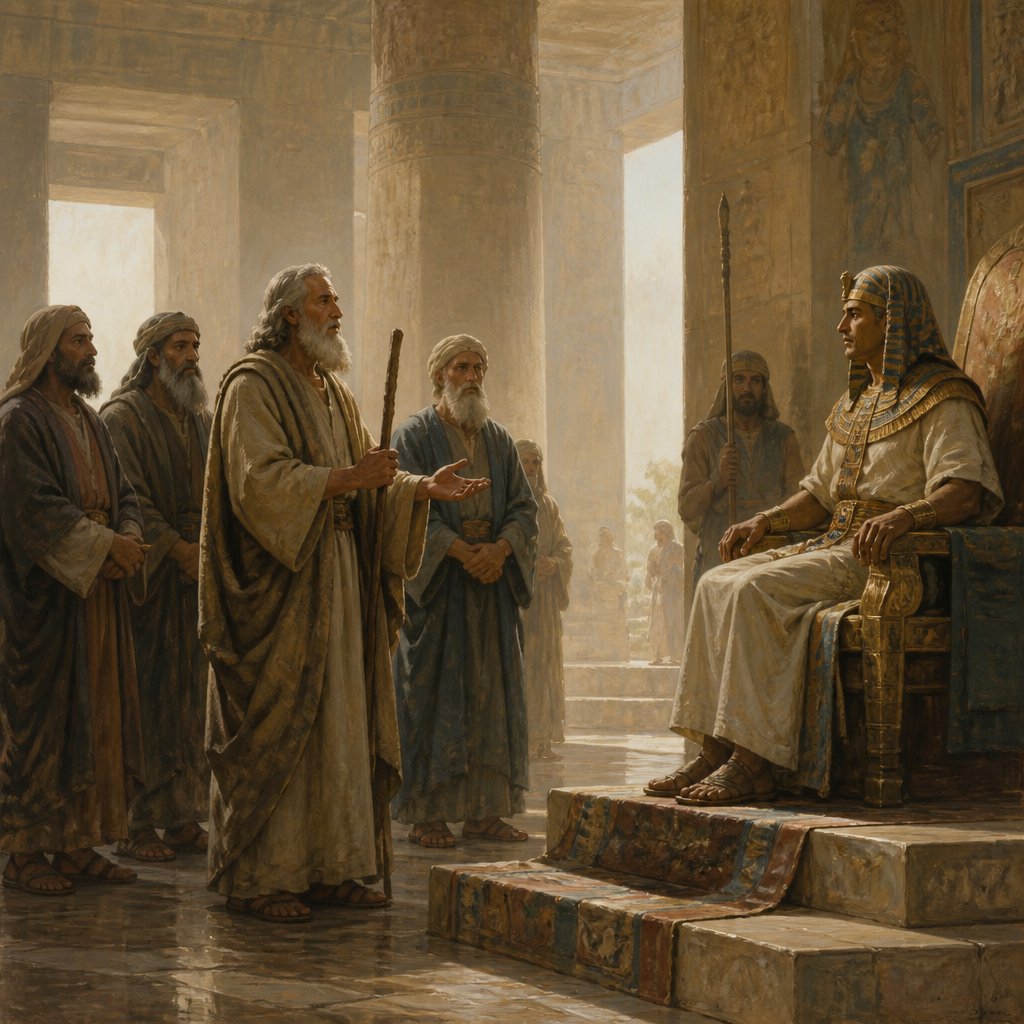
In Exodus 3:18, the Lord speaks to Moses with an astonishing message of liberation: "And they shall hearken to thy voice: and thou shalt come, thou and the elders of Israel, unto the king of Egypt, and ye shall say unto him, The LORD God of the Hebrews hath met with us: and now let us go, we beseech thee, three days' journey into the wilderness, that we may sacrifice to the LORD our God." This verse serves as a profound reminder of God's desire for His people to be free to worship Him and to live in accordance with His will.
Moses had spent forty years in the desert, far away from Egypt and the task that loomed ahead of him: leading the Israelites out of slavery. He conversed with God in the burning bush, receiving clear instruction about his mission. God reassured Moses that the people of Israel would listen to him, but it was a monumental task facing him. The verse reveals both a promise of cooperation from the Israelites and a request for their liberation from the oppressive regime of Pharaoh.
The invitation to leave for three days’ journey into the wilderness is significant. The wilderness often symbolizes a space of testing, transition, and transformation. God was calling His people to step out of their comfort zone—their slavery—to enter a phase of preparation that would be essential for their ultimate redemption and homecoming. This was not merely a physical journey but a spiritual one, beckoning the Israelites to respond not only to God’s call but also to His presence among them.
The call to "sacrifice to the LORD our God" indicates a profound aspect of worship that cannot be ignored. Sacrifice was central to the Hebrew faith as an expression of devotion, repentance, and communion with the Divine. It reminds us that genuine worship often requires giving something up, whether that be our time, resources, or even our current way of life. The Israelites were being called to express their commitment and devotion to God through sacrifice.
Furthermore, the three-day journey is rich with symbolism. In biblical narratives, the number three often signifies divine completeness or wholeness. It foreshadows the resurrection, connecting the physical act of leaving Egypt to a deeper spiritual renewal in their relationship with God. Each day in the wilderness represents a step closer to freedom, not just from their physical chains but from the spiritual chains that Egypt had placed upon their identity, spirits, and culture.
For us, reflecting on Exodus 3:18 challenges us to consider our own "Egypts." What are the spiritual chains that hold us captive today? Is it a burden of sin, fear, guilt, or the relentless demands of our daily lives? God is calling us into a wilderness of His presence, where we can encounter Him and engage in meaningful sacrifice.
We must listen for God’s voice in our own lives, just as the Israelites would heed the voice of Moses. Are we willing to take that step into the wilderness? Are we ready to offer sacrifices that honor Him? Such movements may seem daunting and require courage. However, God's promise to Moses assures us that we are not going alone; others will be with us, and His presence will guide our way.
Let us pray for the strength to seek the wilderness of God's presence, for the willingness to “sacrifice” our comfortable patterns, and for the grace to listen to His voice. As we leave behind the chains of our own Egypts, may we be reminded of our identity as children of the Most High, set free to worship Him in spirit and truth.
Get our apps


Artwork for Exodus 3:18
Exodus 3:18 - "And they shall hearken to thy voice: and thou shalt come, thou and the elders of Israel, unto the king of Egypt, and ye shall say unto him, The LORD God of the Hebrews hath met with us: and now let us go, we beseech thee, three days' journey into the wilderness, that we may sacrifice to the LORD our God."
"And they shall hearken to thy voice: and thou shalt come, thou and the elders of Israel, unto the king of Egypt, and ye shall say unto him, The LORD God of the Hebrews hath met with us: and now let us go, we beseech thee, three days' journey into the wilderness, that we may sacrifice to the LORD our God." - Exodus 3:18

Exodus 18:3 - "And her two sons; of which the name of the one was Gershom; for he said, I have been an alien in a strange land:"

Exodus 18

Exodus 31: 18

exodus 18:11
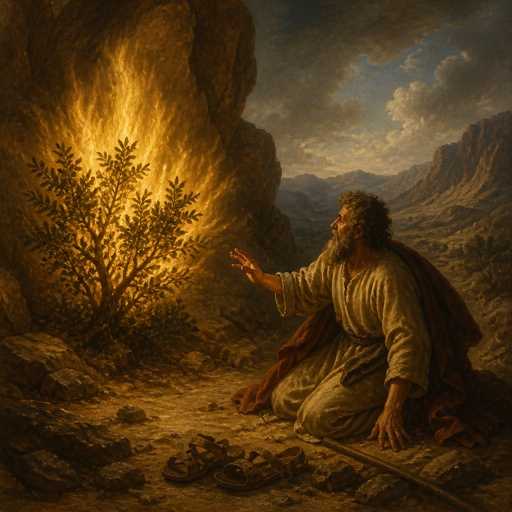
exodus 3

exodus 3

Exodus 22:18 - "¶ Thou shalt not suffer a witch to live."

Exodus 15:18 - "The LORD shall reign for ever and ever."

Exodus 35:18 - "The pins of the tabernacle, and the pins of the court, and their cords,"
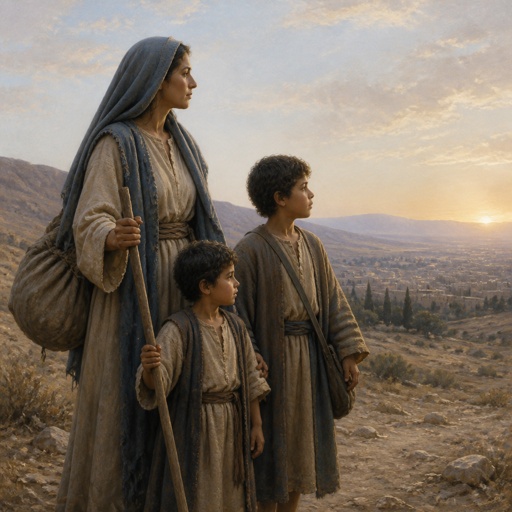
"And her two sons; of which the name of the one was Gershom; for he said, I have been an alien in a strange land:" - Exodus 18:3

Exodus 28:18 - "And the second row shall be an emerald, a sapphire, and a diamond."

Exodus 10:18 - "And he went out from Pharaoh, and intreated the LORD."

Exodus 3:12

Exodus 3:12

Exodus 17:3

Exodus 3:12

Exodus 3:12

Exodus 3:12
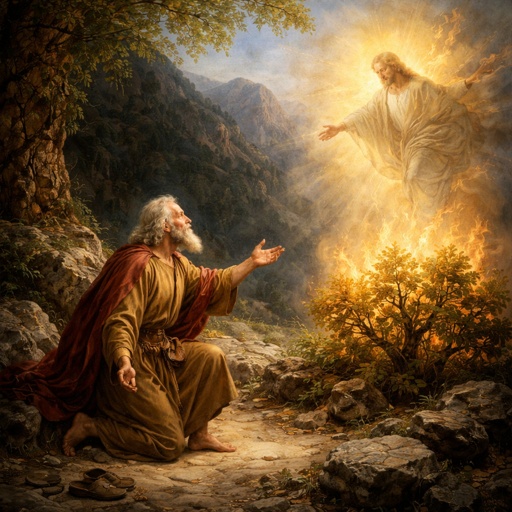
exodus 3:11

Exodus 3:14

Exodus 3:14

Exodus 3:14

exodus 3:14

Exodus 3:14

Exodus 17:3

Exodus 3:12

Exodus 3:12

Exodus 18:18 - "Thou wilt surely wear away, both thou, and this people that is with thee: for this thing is too heavy for thee; thou art not able to perform it thyself alone."