Holy Ground: A Call to Reverence and Transformation
“And he said, Draw not nigh hither: put off thy shoes from off thy feet, for the place whereon thou standest is holy ground.” — Exodus 3:5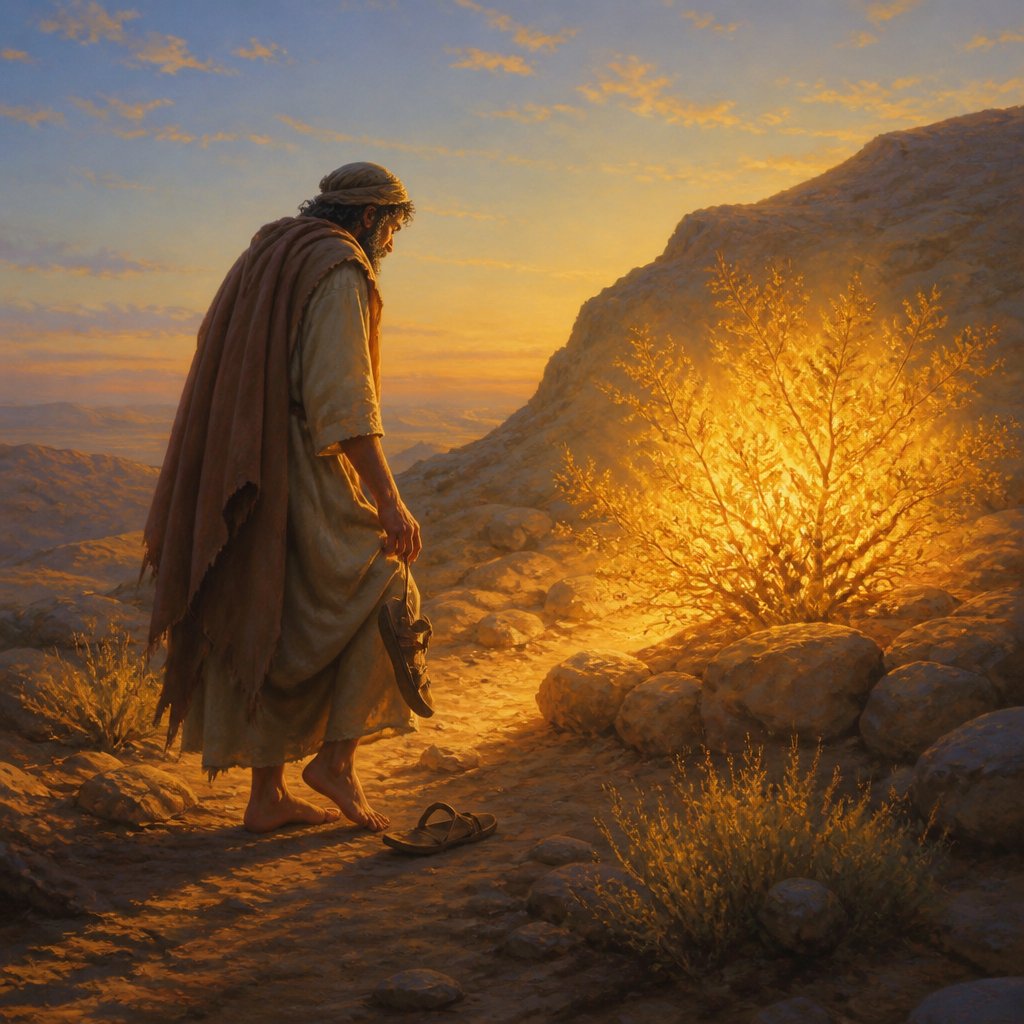
In Exodus 3:5, we encounter a divine moment of profound significance: “And he said, Draw not nigh hither: put off thy shoes from off thy feet, for the place whereon thou standest is holy ground.” These words were spoken by God to Moses as he approached the burning bush, an extraordinary manifestation of God's presence. This verse brings to light the dual themes of reverence and transformation that resonate deeply within our lives as believers.
### The Context of Holiness
To fully grasp the weight of God’s command to Moses, we must consider the context. Moses was tending to the flock of Jethro, his father-in-law, when he stumbled upon this unusual sight—a bush that burned but was not consumed. This was not just any bush; it was the meeting point between the divine and the mundane, the holy and the common. God was initiating a sacred encounter, calling Moses into both reverence and purpose.
Holiness, as described in this passage, refers to the sacredness inherent in God’s presence. It signifies a space set apart, unlike any other. In a world cluttered with distractions and busyness, this moment beckons us to pause and reflect. To acknowledge that when we come into God’s presence, we are entering a space that demands respect and reverence.
### A Call to Reverence
“Draw not nigh hither: put off thy shoes from off thy feet” – these instructions signify the importance of humility and reverence in approaching God. Shoes, in biblical times, symbolized commonality, the worldly aspects of life. By removing his shoes, Moses was instructed to separate himself from his everyday life and attitudes, shedding his earthly status and pride before the Creator. This act wasn’t just about physical removal; it signified a deeper spiritual need to approach God with a heart of humility.
In our daily lives, how often do we come before God mindlessly, rushing through prayers, worship, or our quiet time? The act of removing shoes challenges us to examine our own approaches to holiness. Are we entering God’s presence with reverence? Are we acknowledging the sanctity of the moment? God desires our hearts to be still, our minds to be focused, and our attitudes to be humble when we seek Him.
### A Space for Transformation
The burning bush incident marked the beginning of Moses's transformation from a shepherd to a leader of God’s people. When we stand on holy ground, we are not just called to honor God; we are also invited into a transformative experience.
God is always at work in our lives, seeking to shift our understanding, enrich our faith, and propel us into His kingdom work. The holy ground serves as a reminder that our encounters with God can change our trajectory. It is in these sacred moments—when we are reverent and aware—that God reveals His plans and purposes for us. He equips us, refines us, and prepares us for the tasks He has set before us.
The call to remove our shoes has implications for us today as well. It challenges us to let go of worldly burdens and distractions. It invites us to consecrate our hearts and minds, making them a dwelling place where God’s presence can transform us. Perhaps there are areas in our lives that we need to surrender, mindsets that need shifting, or habits that need breaking. Standing on holy ground prompts us to reflect honestly on those aspects and respond to God’s leading.
### Conclusion
As we meditate on Exodus 3:5, let us recognize our interactions with God as opportunities for sacred encounters. May we approach Him with hearts full of reverence, ready to shed the distractions of our lives and embrace His transformative work. The ground we stand on when we meet with God is, indeed, holy. Let this truth inspire us to honor His presence, pursue holiness in our lives, and remain open to the divine transformations He is eager to accomplish within us.
Get our apps


Artwork for Exodus 3:5

Exodus 3:5 - "And he said, Draw not nigh hither: put off thy shoes from off thy feet, for the place whereon thou standest is holy ground."
"And he said, Draw not nigh hither: put off thy shoes from off thy feet, for the place whereon thou standest is holy ground." - Exodus 3:5

Exodus 5:3 - "And they said, The God of the Hebrews hath met with us: let us go, we pray thee, three days' journey into the desert, and sacrifice unto the LORD our God; lest he fall upon us with pestilence, or with the sword."
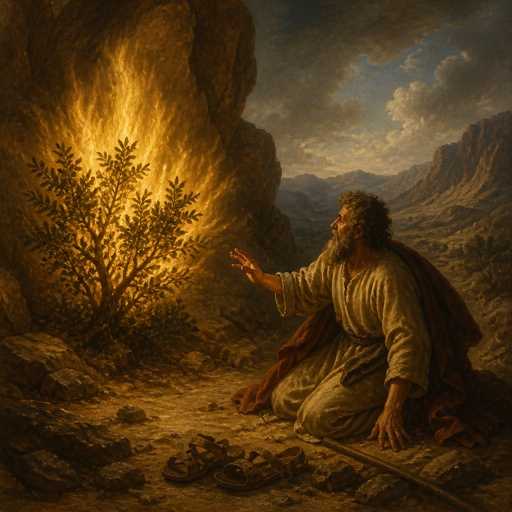
exodus 3

exodus 3

Exodus 31:3-5 - "And I have filled him with the Spirit of God, with wisdom, with understanding, with knowledge and with all kinds of skills— to make artistic designs for work in gold, silver and bronze, to cut and set stones, to work in wood, and to engage in all kinds of crafts."

Exodus 15:5

Exodus 22:5

Exodus 22:5

Exodus 22:5

Exodus 17:3

Exodus 3:12

Exodus 3:12

Exodus 3:12

Exodus 3:12

Exodus 3:12
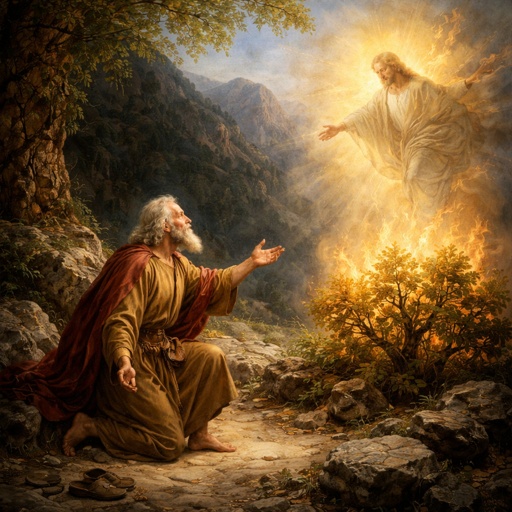
exodus 3:11

Exodus 3:14

exodus 3:14

Exodus 3:14

Exodus 3:14

Exodus 3:14

Exodus 17:3

Exodus 3:12

Exodus 3:12

Exodus 4:1-5

Exodus 5:5 - "And Pharaoh said, Behold, the people of the land now are many, and ye make them rest from their burdens."

Exodus 1:3 - "Issachar, Zebulun, and Benjamin,"

exodus 27:3 forks

Exodus 3:3 - "And Moses said, I will now turn aside, and see this great sight, why the bush is not burnt."