The Weight of Oppression and the Call to Worship
"And the tale of the bricks, which they did make heretofore, ye shall lay upon them; ye shall not diminish ought thereof: for they be idle; therefore they cry, saying, Let us go and sacrifice to our God." - Exodus 5:8
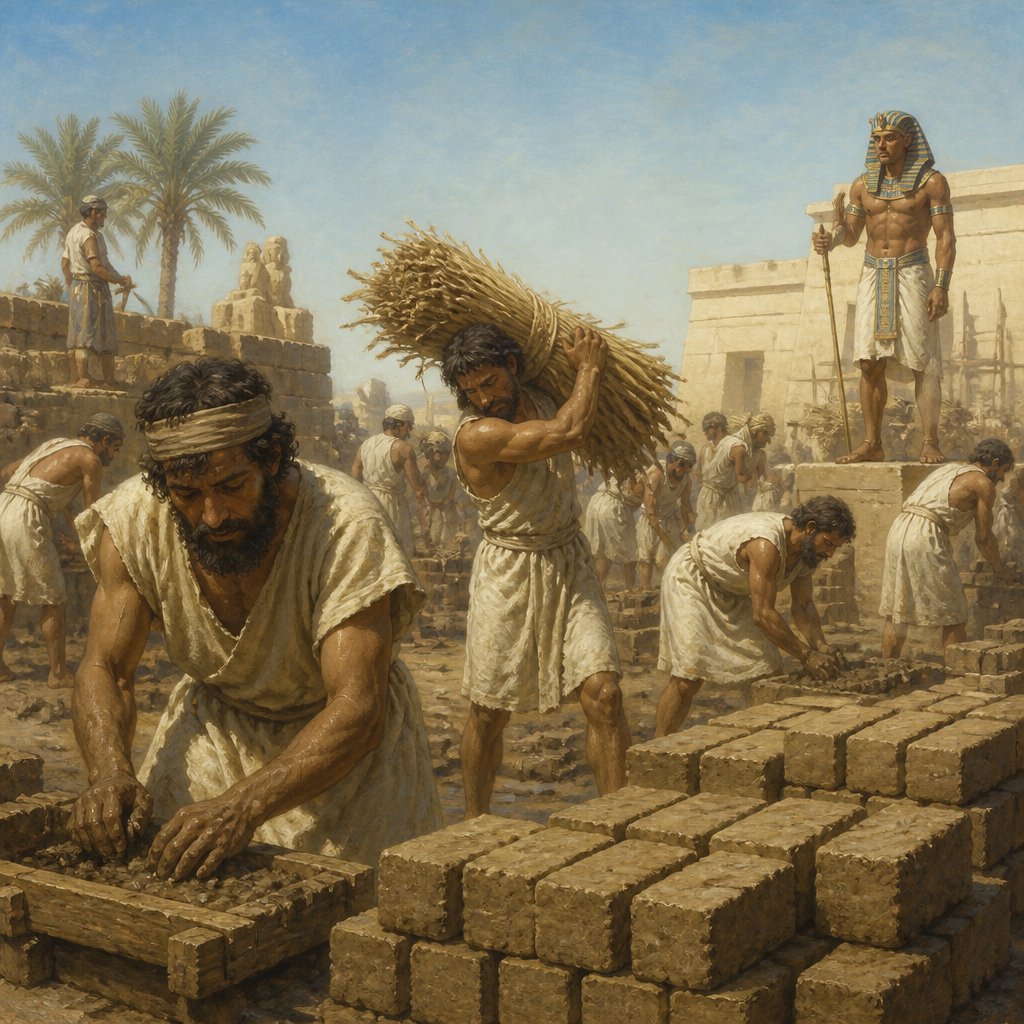
In Exodus 5:8, the King James Version states: "And the tale of the bricks, which they did make heretofore, ye shall lay upon them; ye shall not diminish ought thereof: for they be idle; therefore they cry, saying, Let us go and sacrifice to our God." This verse shines a light on a profound moment in the narrative of Israel’s journey toward freedom. It captures the struggle and resilience of a people caught in the throes of oppression while igniting a deeper understanding of our own walk with God.
As we delve into this scripture, we must first recognize the context. The Israelites were laborers in Egypt, forced to endure grueling conditions while making bricks to build the structures that would serve their captors. Pharaoh had created an oppressive system, demanding not only a certain number of bricks but also implying even greater burdens regardless of the circumstances. The phrase "the tale of the bricks" encapsulates everything that was expected of them, a harsh reminder of their toil and servitude.
When the Egyptians perceive that the Israelites are idle—perhaps even contemplating the holiness of worship—they respond with additional burden, insisting that the quota of bricks remains unchanged. This is often the enemy's tactic: when we show signs of spiritual awakening or when we seek to dedicate ourselves to God, the world intensifies its demands on us, overwhelming us with tasks that seem insurmountable. The cry of the people stating, "Let us go and sacrifice to our God," is a yearning heart's response to the weight of oppression. It is a humble plea intermingled with a powerful declaration: worship is a necessity, not a luxury.
The Israelites are crying out for liberation, not just from their physical bondage but from the spiritual desolation that comes with it. This moment in scripture serves as a poignant reminder of how worship can be a response to suffering. The call for sacrifice is bold; it recognizes a dependency on God, who hears the cries of His people. In times of distress, it is tempting to believe that such cries fall upon deaf ears, but one must remember that God’s timetable and ours often differ.
Furthermore, the response of Pharaoh to intensify their burdens reveals a worldview that sees productivity as paramount, valuing results over the souls of people. How often do we find ourselves in a similar predicament? Our jobs, responsibilities, and even our families can impose unrealistic expectations that weight down our spirits. We become so engrossed in the demands of life that we neglect the calling to worship. The command "ye shall not diminish ought thereof" challenges us to realize that we must not allow our worship—our longing for connection with God—to be diminished even in our struggles.
As we reflect on this verse, let it stir within us a deep commitment to respond to life's burdens with sacrificial praise. The Israelites modeled a kind of faith that understands worship amidst chaos. God sees our struggles, and He longs for us to turn our gaze toward Him, seeking solace and strength in His presence. He is not unmoved by our cries for help or our need for freedom.
If you feel the weight of burdens pressing in on you, remember that God is actively present in the midst of your trials. Let His promise of freedom and deliverance resonate in your heart, and when the world calls you to intensify your labors, respond instead with a heart that longs to worship. As the Israelites ultimately found, worship leads to liberation, not just in the physical sense but profoundly so in the spiritual essence. Seek God earnestly—let your cries be transformed into praises because our God is always listening, always caring, and always ready to intervene.
Want to reflect more on Exodus 5:8?
Continue your spiritual journey with Bible Chat — an AI-powered tool for exploring God's Word through conversation. Ask questions, discover connections, and deepen your understanding.
Get Our Apps


Exodus 5:8 Artwork
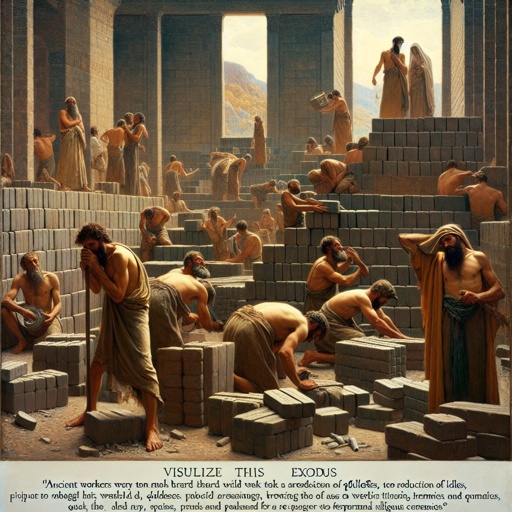
Exodus 5:8 - "And the tale of the bricks, which they did make heretofore, ye shall lay upon them; ye shall not diminish ought thereof: for they be idle; therefore they cry, saying, Let us go and sacrifice to our God."
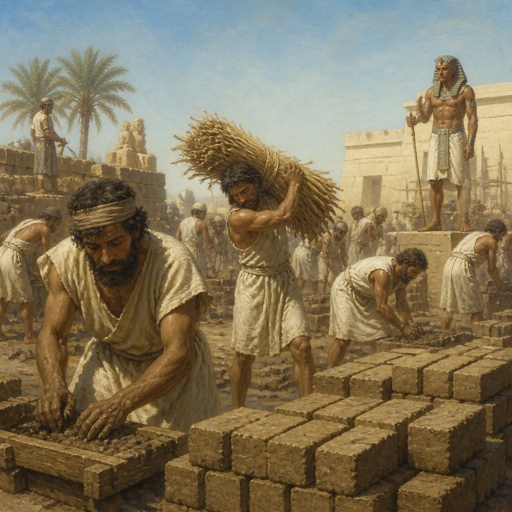
"And the tale of the bricks, which they did make heretofore, ye shall lay upon them; ye shall not diminish ought thereof: for they be idle; therefore they cry, saying, Let us go and sacrifice to our God." - Exodus 5:8

Exodus 8:5 - "¶ And the LORD spake unto Moses, Say unto Aaron, Stretch forth thine hand with thy rod over the streams, over the rivers, and over the ponds, and cause frogs to come up upon the land of Egypt."

Exodus 25:8

Exodus 15:5

Exodus 22:5

Exodus 22:5

Exodus 22:5

Exodus 27:1-8

Exodus 8:1-15

Exodus 4:1-5

Exodus 17:8 - "¶ Then came Amalek, and fought with Israel in Rephidim."

Exodus 20:8 - "Remember the sabbath day, to keep it holy."

Exodus 5:5 - "And Pharaoh said, Behold, the people of the land now are many, and ye make them rest from their burdens."

Luke 8:5-8

Exodus 8:5-6 KJV (5) And the LORD spake unto Moses, Say unto Aaron, Stretch forth thine hand with thy rod over the streams, over the rivers, and over the ponds, and cause frogs to come up upon the land of Egypt. (6) And Aaron stretched out his hand over the waters of Egypt; and the frogs came up, and covered the land of Egypt.

Exodus 7:8 - "¶ And the LORD spake unto Moses and unto Aaron, saying,"

Exodus 8:14 - "And they gathered them together upon heaps: and the land stank."

Exodus 35:8 - "And oil for the light, and spices for anointing oil, and for the sweet incense,"

Exodus 8:30 - "And Moses went out from Pharaoh, and intreated the LORD."

Exodus 8:5-6 KJV (5) And the LORD spake unto Moses, Say unto Aaron, Stretch forth thine hand with thy rod over the streams, over the rivers, and over the ponds, and cause frogs to come up upon the land of Egypt. (6) And Aaron stretched out his hand over the waters of Egypt; and the frogs came up, and covered the land of Egypt.

Exodus 15:5 - "The depths have covered them: they sank into the bottom as a stone."

The Plague of Frogs - Exodus 8:1-15

The Plague of Frogs - Exodus 8:1-15

The Plague of Boils - Exodus 9:8-12

The Plague of Gnats - Exodus 8:16-19

The Plague of Boils - Exodus 9:8-12

The Plague of Frogs - Exodus 8:1-15

Exodus Chapter 7 Verses 8-10

The Plague of Flies - Exodus 8:20-32.