Unveiling the Name of God: A Journey from God Almighty to JEHOVAH
"And I appeared unto Abraham, unto Isaac, and unto Jacob, by the name of God Almighty, but by my name JEHOVAH was I not known to them." - Exodus 6:3
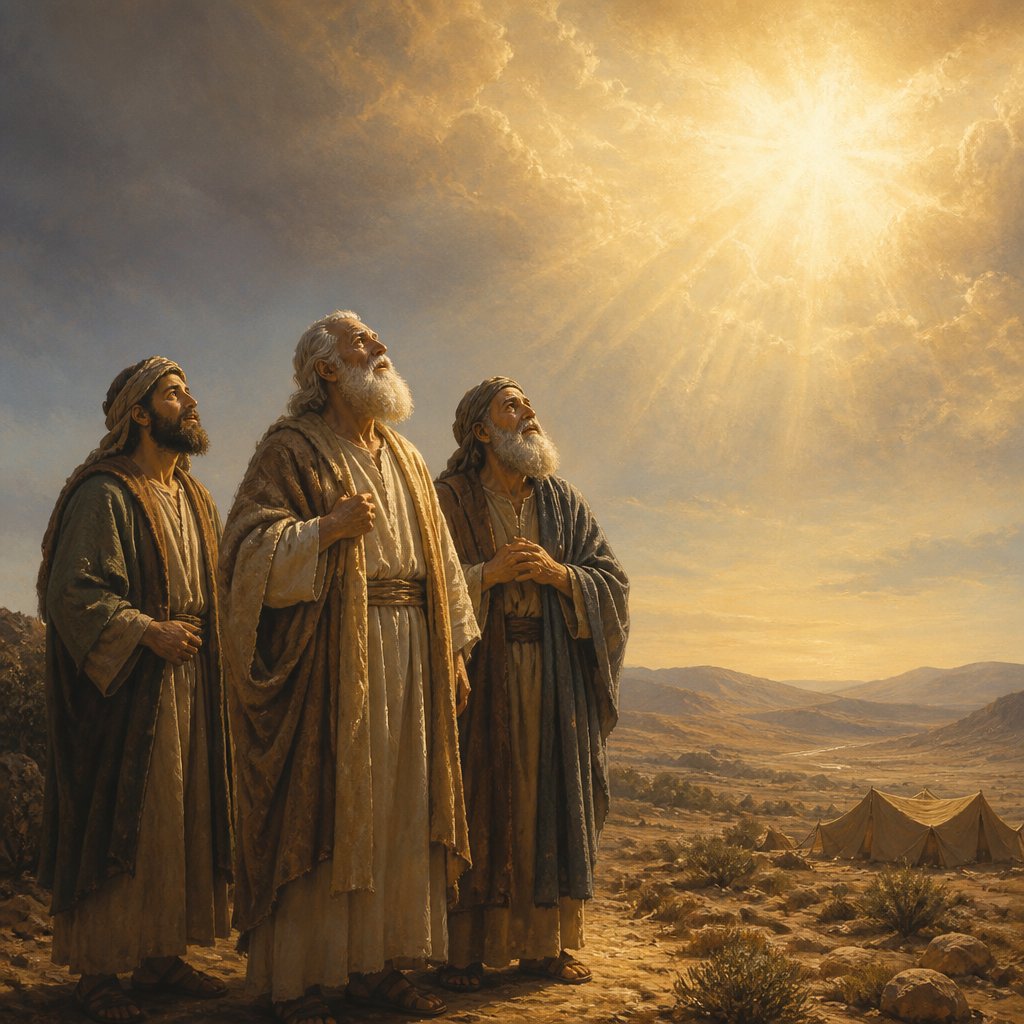
In the book of Exodus, chapter 6, verse 3, we read: "And I appeared unto Abraham, unto Isaac, and unto Jacob, by the name of God Almighty, but by my name JEHOVAH was I not known to them." This profound declaration reveals a significant aspect of God’s self-revelation and relationship with humankind throughout biblical history. It invites us to delve deeper into the essence of God's nature and the evolving understanding of His identity within the narrative of Scripture.
To appreciate the significance of this passage, one must first consider the context in which it appears. God is speaking to Moses at a time when the Israelites are suffering under the harsh bondage of Pharaoh in Egypt. The weight of oppression and despair has settled heavily upon them, and they are crying out for deliverance. In this moment of deep anguish, God reassures Moses that He is about to intervene in a historically significant way. He promises to reveal Himself not just as the God Almighty whom the patriarchs knew, but as JEHOVAH, a name that embodies covenant faithfulness and personal relationship.
The term "God Almighty" (Hebrew: El Shaddai) signifies strength, sufficiency, and the omnipotent nature of God. In the lives of Abraham, Isaac, and Jacob, El Shaddai was indeed a powerful name, one that underscored God’s ability to fulfill His promises and provide for His people. It was through El Shaddai that Abraham became the father of many nations, that Isaac was blessed, and that Jacob encountered divine favor. Each patriarch experienced God’s mighty works, but their understanding was somewhat limited to the roles and relationships established with them.
However, the name JEHOVAH (Yahweh), which translates to "I AM," conveys a deeper revelation of God’s eternal nature, character, and His commitment to His people through covenant. The name JEHOVAH signifies a God who is not only powerful but intimately present and personally engaged in the lives of His people. It reflects a God who enters into relational covenants, promises, and commitments that define the identity and future of the Israelite nation.
Understanding the distinction between these two names is crucial for several reasons. Firstly, it highlights the progressive revelation of God’s nature. Throughout Scripture, we see how God unveils more of Himself in response to His people’s circumstances and needs. As we continue our study in Exodus, we witness God’s faithfulness as He leads the Israelites out of slavery, introduces them to the laws that govern their community, and ultimately brings them to the Promised Land.
Secondly, recognizing the name JEHOVAH encourages us to reflect on our own understanding of God. For many believers today, God might first be known as the Almighty One who created the universe and rules with power. But as we grow in our relationship with Him, we increasingly understand Him as our covenant partner, our Father, who calls us to a deeper intimacy. JEHOVAH invites us to know Him in a way that moves beyond reverence and fear alone to a close friendship with a loving God.
Furthermore, these names remind us of our identity as a people connected to God's promise. Just as He made covenants with Abraham, Isaac, and Jacob, so too has He made a covenant with us through Jesus Christ. Scripture assures us that we are adopted as His children and heirs according to that promise (Galatians 4:7).
In times of trouble, when we might feel enslaved by circumstances, we should remember that our God is both Almighty and JEHOVAH. He holds the power to break chains and also the faithful commitment to walk with us through our trials. As we pray and seek His face,let us invite JEHOVAH into our struggles, for He is not just a distant deity but our ever-present help in time of need. Let us embrace this duality: acknowledging God’s omnipotence while also resting in His loving, personal relationship with us.
As we meditate on Exodus 6:3, may we ask God to deepen our understanding of His names and reveal Himself to us in new ways. Let our hearts be open to experiencing Him as both the Almighty One and our faithful JEHOVAH, knowing that it is in this relationship that we find true hope and deliverance.
Want to reflect more on Exodus 6:3?
Continue your spiritual journey with Bible Chat — an AI-powered tool for exploring God's Word through conversation. Ask questions, discover connections, and deepen your understanding.
Get Our Apps


Exodus 6:3 Artwork

Exodus 6:3 - "And I appeared unto Abraham, unto Isaac, and unto Jacob, by the name of God Almighty, but by my name JEHOVAH was I not known to them."
"And I appeared unto Abraham, unto Isaac, and unto Jacob, by the name of God Almighty, but by my name JEHOVAH was I not known to them." - Exodus 6:3

Exodus 3:6 - "Moreover he said, I am the God of thy father, the God of Abraham, the God of Isaac, and the God of Jacob. And Moses hid his face; for he was afraid to look upon God."

exodus 3

Exodus 17:6

Exodus 17:6

Exodus 17:6

Exodus 17:6

Exodus 17:3

Exodus 3:12

Exodus 3:12

Exodus 3:12

Exodus 3:12

Exodus 3:12
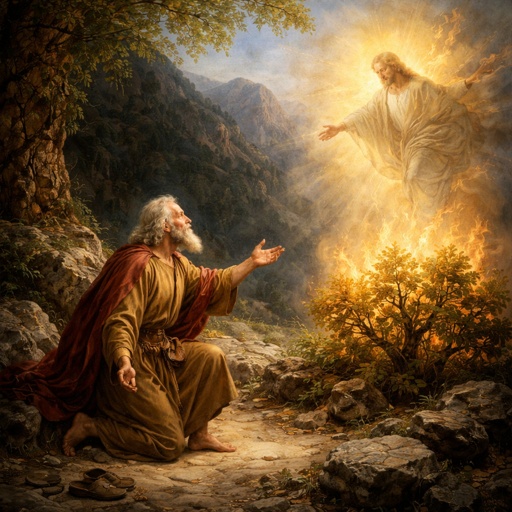
exodus 3:11

Exodus 3:14

exodus 3:14

Exodus 3:14

Exodus 3:14

Exodus 3:14

Exodus 17:3

Exodus 3:12

Exodus 3:12

Exodus 1:3 - "Issachar, Zebulun, and Benjamin,"

Exodus 6:21 - "¶ And the sons of Izhar; Korah, and Nepheg, and Zichri."

Exodus 6:22 - "And the sons of Uzziel; Mishael, and Elzaphan, and Zithri."

Exodus 6:10 - "And the LORD spake unto Moses, saying,"

exodus 27:3 forks

Exodus 3:3 - "And Moses said, I will now turn aside, and see this great sight, why the bush is not burnt."

Exodus 6:17 - "The sons of Gershon; Libni, and Shimi, according to their families."