The Divine Charge: A Call to Liberation and Leadership
"And the LORD spake unto Moses and unto Aaron, and gave them a charge unto the children of Israel, and unto Pharaoh king of Egypt, to bring the children of Israel out of the land of Egypt." - Exodus 6:13
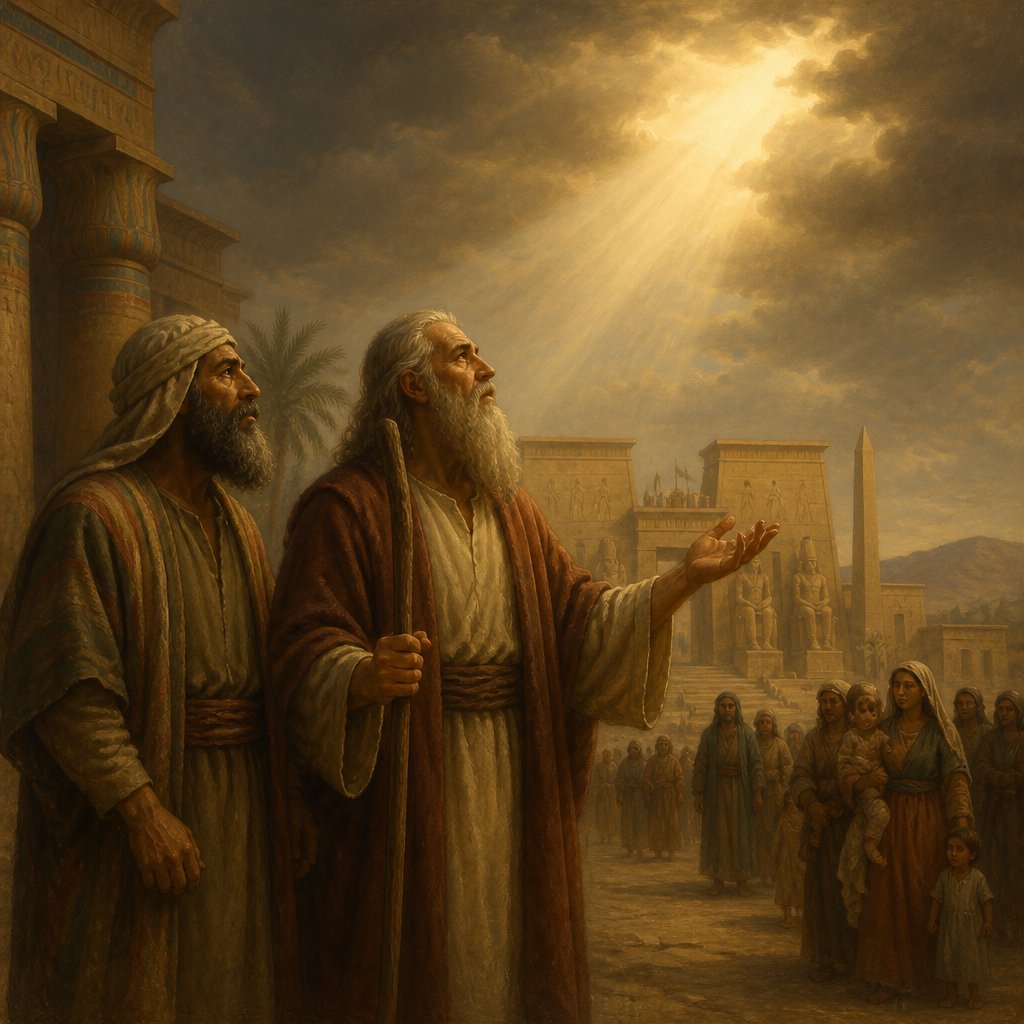
In the grand narrative of Scripture, Exodus stands as a critical juncture where God’s power and purpose unfold dramatically. In Exodus 6:13, the King James Version beautifully encapsulates this moment, stating: "And the LORD spake unto Moses and unto Aaron, and gave them a charge unto the children of Israel, and unto Pharaoh king of Egypt, to bring the children of Israel out of the land of Egypt." This verse isn't just a historical footnote; it echoes God’s unwavering promise and the profound responsibility given to His chosen leaders.
As we dive deeper, we first must understand the context of this verse. The Israelites, God’s chosen people, were suffering under the heavy hand of bondage in Egypt. They were enslaved, oppressed, and desperate for deliverance. God hears their cries (Exodus 3:7) and initiates a plan of redemption, not just for individuals but for a whole nation. In this light, we see how God speaks directly to Moses and Aaron. He doesn’t send a prophet or an angel; He chooses to communicate directly with the ones He has called. This indicates the profound intimacy and sovereignty that underpins His engagement with humanity.
The term "charge" in this verse is crucial. It implies a sense of responsibility that carries the weight of authority. God is not only giving Moses and Aaron a task but entrusting them with a divine mission. This speaks volumes about how God involves human agents in His redemptive plans. God’s choice of Moses, a former fugitive who once fled from his own people, and Aaron, his brother, signifies that God often calls the unexpected to fulfill His purposes. Their inadequacies highlight His sufficiency. This is a reminder for us that God uses those who are willing, regardless of their past or perceived limitations.
Now, let’s focus on the audience of this charge: the children of Israel and Pharaoh. The call to the Israelites was one of hope. God’s promise of liberation was about to be realized, and they were to be reminded of the covenant that God had with their ancestors. For the Israelites, faith must have been a struggle; they were besieged by doubt and sorrow, often asking, “Where is our God?” Yet, here it is illuminated that God is not distant; He is actively engaging in their plight. God’s declaration through Moses and Aaron is, therefore, a message of hope and restoration, an affirmation that their suffering had not gone unnoticed.
On the flip side, the command to Pharaoh is a direct challenge to power and oppression. It underscores God’s authority over earthly rulers and their tyrannies. In asking Pharaoh to release the Israelites, God declares His supremacy and commitment to justice. This aspect of the charge is not merely political; it speaks to a spiritual battle against the forces of evil that seek to enslave and dehumanize. It reminds us that God cares deeply not just about individuals caught in chains but about the systems that create those chains.
As we reflect on this verse, we must ask ourselves: what is God calling us to? For many, the call might be to lead others out of spiritual bondage, to advocate for justice in our communities, or to bear witness to God’s faithfulness even amidst adversity. The Holy Spirit, like God speaking to Moses and Aaron, equips us with the power and strength to fulfill our divine purposes.
In conclusion, Exodus 6:13 is not merely an ancient command but a contemporary charge. God calls us to be vessels of hope and agents of change in a world that desperately needs liberation from sin, oppression, and despair. Remember, your past does not disqualify you; your willingness to obey does. Let us commit ourselves to seek the Lord, recognize our charge, and proclaim His promise of freedom to all in need.
Want to reflect more on Exodus 6:13?
Continue your spiritual journey with Bible Chat — an AI-powered tool for exploring God's Word through conversation. Ask questions, discover connections, and deepen your understanding.
Get Our Apps


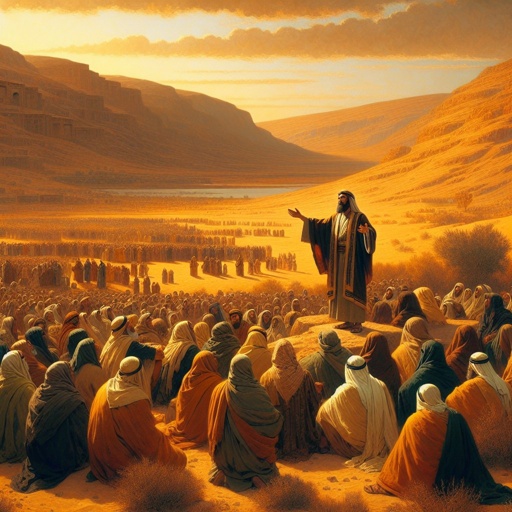
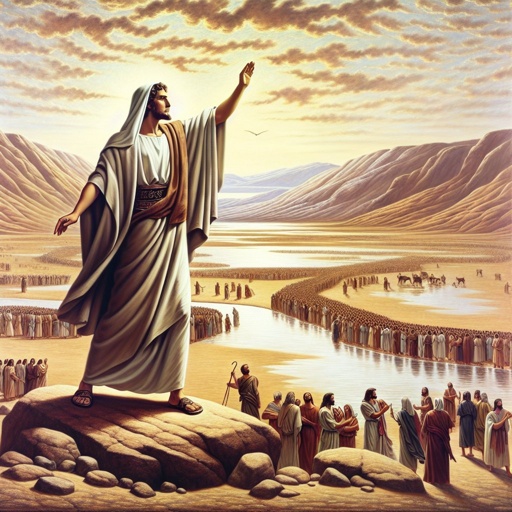
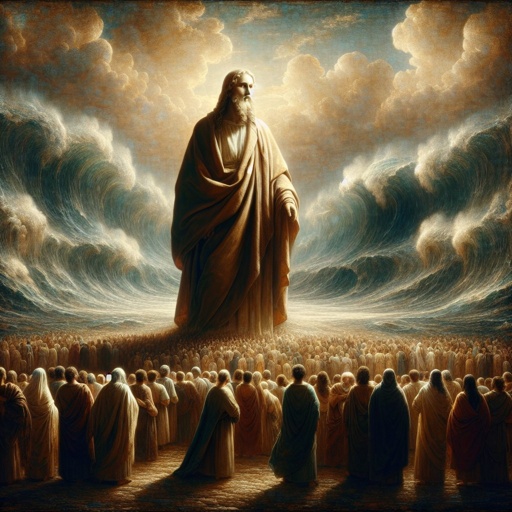
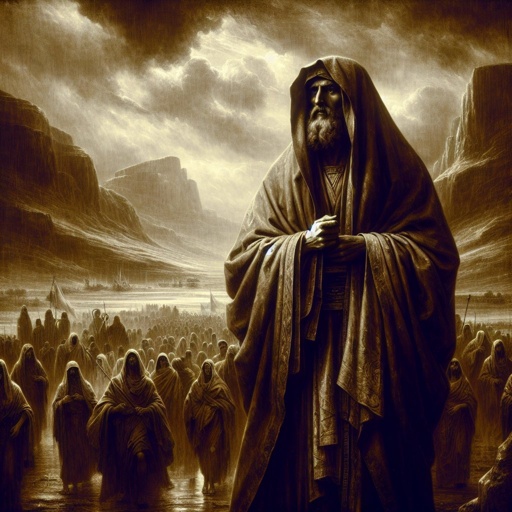
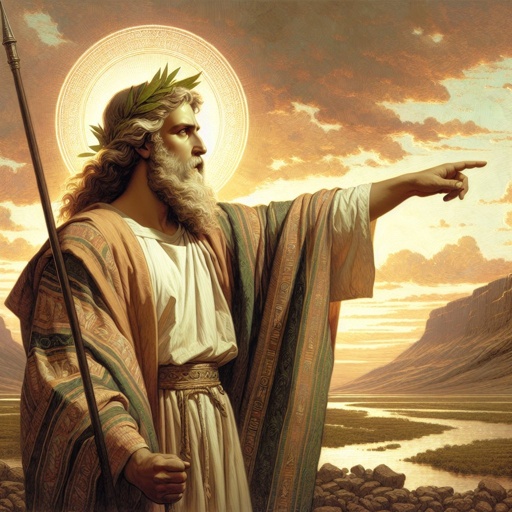
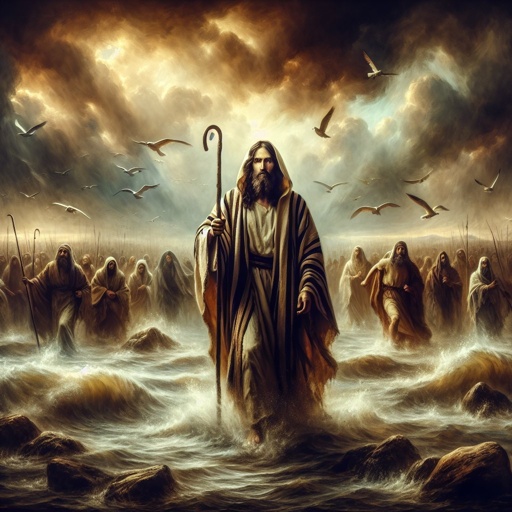
Exodus 6:13 Artwork

Exodus 6:13 - "And the LORD spake unto Moses and unto Aaron, and gave them a charge unto the children of Israel, and unto Pharaoh king of Egypt, to bring the children of Israel out of the land of Egypt."

Exodus 6:13 KJV (13) And the LORD spake unto Moses and unto Aaron, and gave them a charge unto the children of Israel, and unto Pharaoh king of Egypt, to bring the children of Israel out of the land of Egypt.
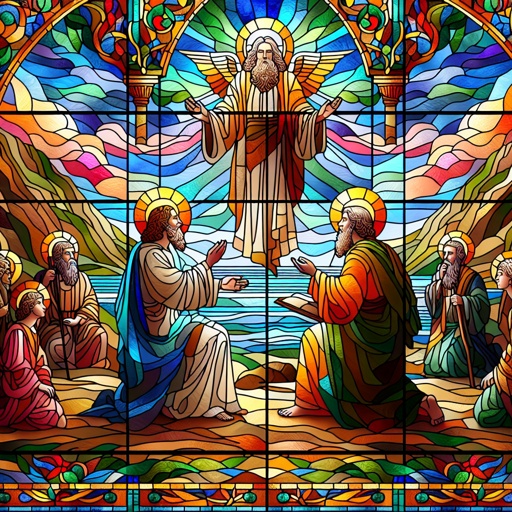
Exodus 6:13 KJV (13) And the LORD spake unto Moses and unto Aaron, and gave them a charge unto the children of Israel, and unto Pharaoh king of Egypt, to bring the children of Israel out of the land of Egypt.

Exodus 6:13 KJV (13) And the LORD spake unto Moses and unto Aaron, and gave them a charge unto the children of Israel, and unto Pharaoh king of Egypt, to bring the children of Israel out of the land of Egypt.
"And the LORD spake unto Moses and unto Aaron, and gave them a charge unto the children of Israel, and unto Pharaoh king of Egypt, to bring the children of Israel out of the land of Egypt." - Exodus 6:13

Exodus 13:6 - "Seven days thou shalt eat unleavened bread, and in the seventh day shall be a feast to the LORD."
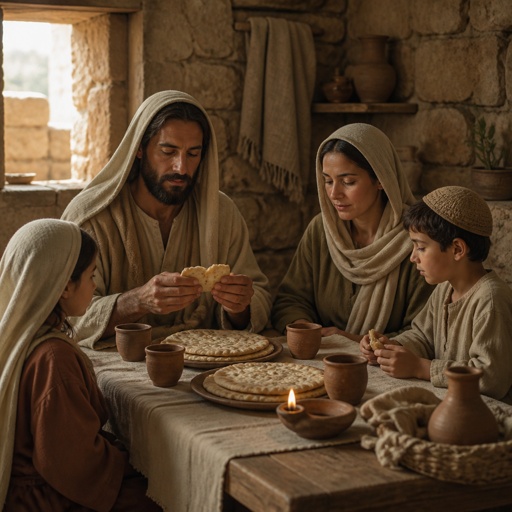
"Seven days thou shalt eat unleavened bread, and in the seventh day shall be a feast to the LORD." - Exodus 13:6

Exodus 14:13

Exodus 14:13

Exodus 14:13

Exodus 14:13

Exodus 14:13

Exodus 14:13

Exodus 14:13
Exodus 14:13

Exodus 14:13

Exodus 14:13
Exodus 14:13
Exodus 14:13
Exodus 14:13
Exodus 14:13

Exodus 14:13

Exodus 14:13

Exodus 14:13

Exodus 14:13

Exodus 14:13

Exodus 12:13

Exodus 14:13
Exodus 14:13

Exodus 14:13