Let My People Go: A Call to Liberation and Service
"And thou shalt say unto him, The LORD God of the Hebrews hath sent me unto thee, saying, Let my people go, that they may serve me in the wilderness: and, behold, hitherto thou wouldest not hear." - Exodus 7:16
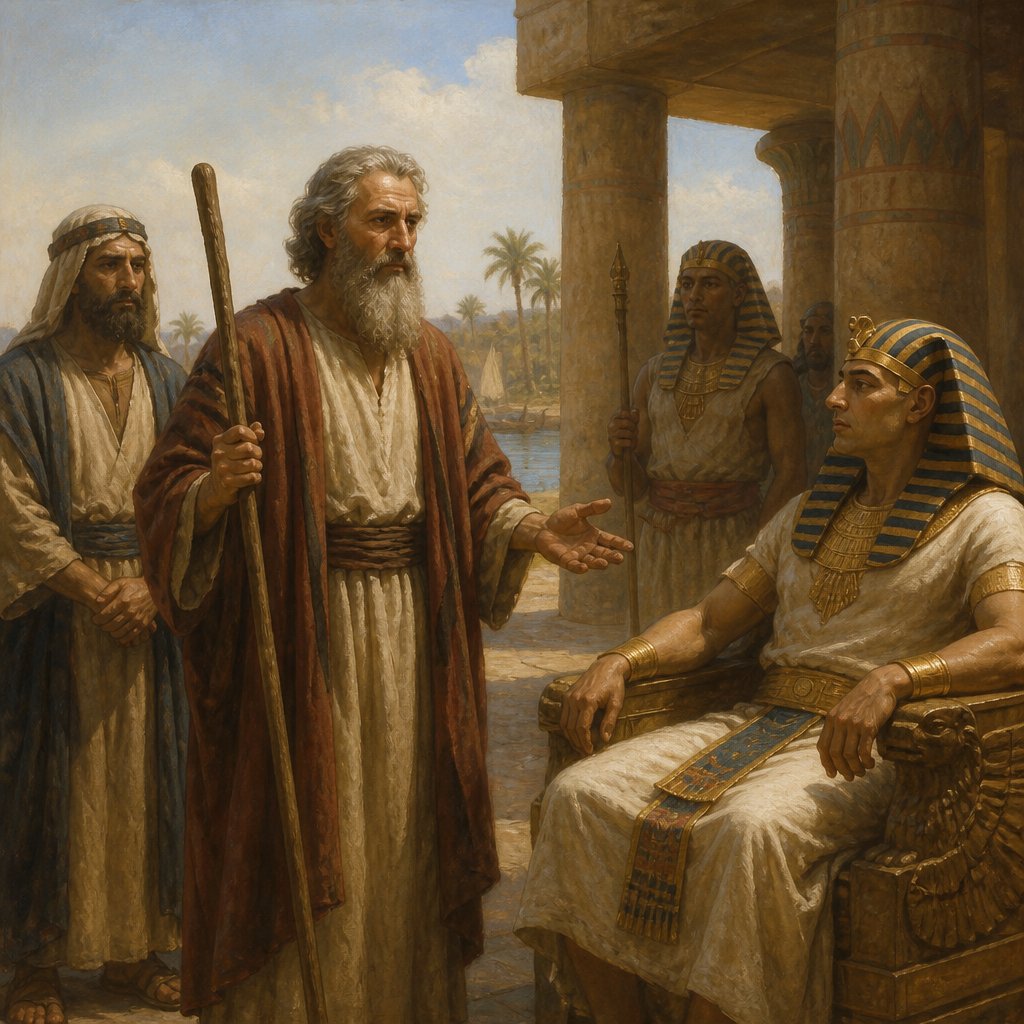
In Exodus 7:16, we find a profound moment in the ongoing struggle between Moses, the deliverer of God’s people, and Pharaoh, the animated embodiment of oppression. The verse states: "And thou shalt say unto him, The LORD God of the Hebrews hath sent me unto thee, saying, Let my people go, that they may serve me in the wilderness: and, behold, hitherto thou wouldest not hear."
This verse encapsulates a central theme of liberation articulated throughout the Bible: God’s unwavering commitment to his people and his desire for all humanity to acknowledge Him in true worship. Here, we are faced with a specific divine instruction delivered to Moses, sending him forth with a pivotal message. It is noteworthy that at this juncture, the Israelites are in bondage, their spirit crushed under the weight of Pharaoh's harsh rule. The phrase "Let my people go" rings out not just as a demand for physical freedom but as a clarion call to assist the oppressed in finding their identity as worshipers of the one true God.
To understand the weight of this request, we must first consider the context. For generations, the Israelites had been building lives within the confines of slavery, trapped in a system designed to suppress their identity and reduce their existence to mere productivity. Not only had their freedom been taken, but their very essence was at stake. The call to "let my people go" resonates with the timeless cry of many oppressed throughout history. God’s desire to free the Israelites from the yoke of their oppressors is ancient yet ever-relevant, reminding us that the chains of injustice still bind millions in our world today. It is God’s heart that none should suffer, and His command to Pharaoh underscores the divine initiative in seeking freedom and dignity for His chosen ones.
Moreover, when God commands Moses to inform Pharaoh that His purpose in delivering the Israelites is not mere freedom from bondage but rather freedom for service—"that they may serve me in the wilderness"—we learn something pivotal about our own liberation. Freedom, in biblical terms, is not an end in itself; rather, it is a pathway to worship and relationship with God. We are liberated for a purpose: to serve, to honor, and to glorify our Creator. This invites deep personal reflection: what does it mean for us to embrace our freedom? Are we merely seeking to escape our circumstances, or are we pursuing God’s design for our lives?
This quest for understanding aligns with the heart of God, who loves a people who worship Him in spirit and truth. The wilderness, as the setting for the Israelites' eventual worship, serves as both a cleansing and formative experience. It is in our own ‘wilderness’ moments—the seasons of pain, loss, or uncertainty—that we often find opportunities for the most profound growth and revelation of God’s nature in our lives. As we navigate the challenges before us, we are invited to remember that God’s ultimate goal in our liberation is not just physical wellbeing but spiritual restoration and purpose.
As Moses approached Pharaoh, the obstinate resistance to God's command, expressed in the words "behold, hitherto thou wouldest not hear," provides a mirror reflecting the human heart's tendency to ignore divine prompting. It begs the question: How often do we hear God's call yet choose to remain bound by our circumstances? How frequently do we allow fear or complacency to inhibit our response to the liberating call of our Creator?
In conclusion, Exodus 7:16 is a powerful reminder that our freedom is a sacred gift designed for worship. As we consider the bonds that hold us captive today—be they fear, anxiety, guilt, or societal issues—let us embrace God's command to "let my people go" as both a personal invitation and a summons to action. May this freedom lead us to serve God faithfully, recognizing that through our worship, we find fullness of life and purpose. The wilderness is not merely where we wander but where we meet God and discover who we are meant to be.
Want to reflect more on Exodus 7:16?
Continue your spiritual journey with Bible Chat — an AI-powered tool for exploring God's Word through conversation. Ask questions, discover connections, and deepen your understanding.
Get Our Apps


Exodus 7:16 Artwork

Exodus 7:16 - "And thou shalt say unto him, The LORD God of the Hebrews hath sent me unto thee, saying, Let my people go, that they may serve me in the wilderness: and, behold, hitherto thou wouldest not hear."
"And thou shalt say unto him, The LORD God of the Hebrews hath sent me unto thee, saying, Let my people go, that they may serve me in the wilderness: and, behold, hitherto thou wouldest not hear." - Exodus 7:16

Exodus 16:7 - "And in the morning, then ye shall see the glory of the LORD; for that he heareth your murmurings against the LORD: and what are we, that ye murmur against us?"

Exodus 16:7 And in the morning, then ye shall see the glory of the LORD; for that he heareth your murmurings against the LORD: and what are we, that ye murmur against us?

Exodus 24:16

Exodus 25:16

Exodus 25:16

Exodus 25:16

Exodus 19:16-20

Exodus 16:11 - "¶ And the LORD spake unto Moses, saying,"

Exodus 16:30 - "So the people rested on the seventh day."

Exodus 7:10

Exodus 7:10

Exodus 12:7

Exodus 12:7

Exodus 16:36 - "Now an omer is the tenth part of an ephah."

In Exodus 16, create the image of manna

Exodus 16:19 - "And Moses said, Let no man leave of it till the morning."

Exodus 7:14-24
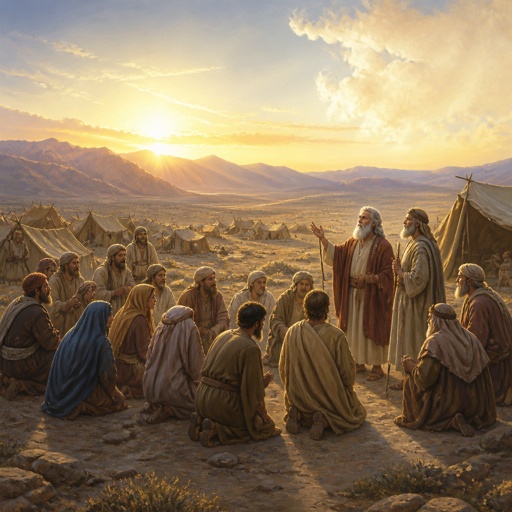
"And in the morning, then ye shall see the glory of the LORD; for that he heareth your murmurings against the LORD: and what are we, that ye murmur against us?" - Exodus 16:7

The Plague of Gnats - Exodus 8:16-19

Exodus 7:7 - "And Moses was fourscore years old, and Aaron fourscore and three years old, when they spake unto Pharaoh."

Exodus 20:16 - "Thou shalt not bear false witness against thy neighbour."

Exodus 36:16 - "And he coupled five curtains by themselves, and six curtains by themselves."

Genesis 16:7

Exodus 25:7 - "Onyx stones, and stones to be set in the ephod, and in the breastplate."

Exodus 16:17 - "And the children of Israel did so, and gathered, some more, some less."

Exodus 38:16 - "All the hangings of the court round about were of fine twined linen."

Exodus 16:2 - "And the whole congregation of the children of Israel murmured against Moses and Aaron in the wilderness:"

Exodus 25:16 - "And thou shalt put into the ark the testimony which I shall give thee."