The Power of Obedience: Lessons from Moses and Aaron
"And Moses and Aaron did so, as the LORD commanded; and he lifted up the rod, and smote the waters that were in the river, in the sight of Pharaoh, and in the sight of his servants; and all the waters that were in the river were turned to blood." - Exodus 7:20
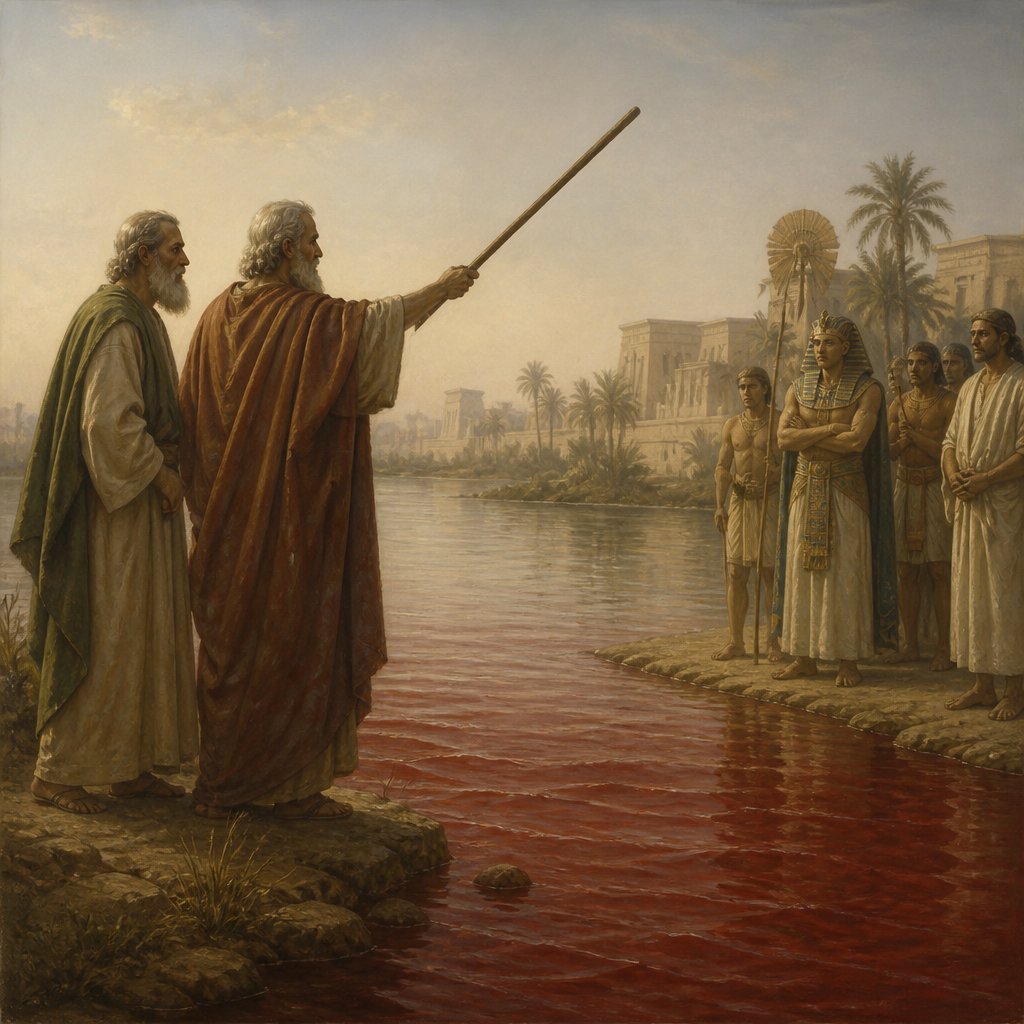
In Exodus 7:20, we witness a powerful and pivotal moment in the narrative of Moses and Aaron as they confront Pharaoh, the ruler of Egypt. The King James Version states: "And Moses and Aaron did so, as the LORD commanded; and he lifted up the rod, and smote the waters that were in the river, in the sight of Pharaoh, and in the sight of his servants; and all the waters that were in the river were turned to blood." This verse not only illustrates the authority of God but also highlights the profound significance of obedience in our walk with Him.
At the heart of this passage is the obedience exhibited by Moses and Aaron. Before this moment, Moses felt inadequate and unworthy of the task set before him. He struggled with self-doubt and questioned whether he was the right person to confront Pharaoh, the stronghold of the Egyptian empire. Yet, when the time came, Moses chose to obey the command of the Lord. "And Moses and Aaron did so,"—these words capture the essence of faith in action. Their obedience was not merely a matter of following orders; it was an act of trust in God's sovereignty and power.
Often, we find ourselves in situations where we are asked to act in faith, to obey God's commandments even when our circumstances seem daunting. Like Moses, we might feel inadequate or fearful. However, this account teaches us that obedience is a critical aspect of our relationship with God. It demonstrates our trust in His plans, even when we do not fully understand them. By obeying, Moses and Aaron became instruments through which God displayed His might.
The act of lifting the rod and striking the waters was a profound testimony to God’s authority. In the sight of Pharaoh and his servants, the waters turned to blood. This miracle was not just a demonstration of God's power but also a stark warning to Pharaoh. It represented a divine judgment against the false gods of Egypt, asserting that the God of Israel was the one true God. When we obey God’s commands, we often become witnesses to His glory and power in our lives and the lives of those around us.
Furthermore, the transformation of the river's waters into blood symbolically illustrates a theme of judgment and consequence. God was not only liberating His people from slavery but also demonstrating the consequences of hard-heartedness. Pharaoh’s refusal to heed the warnings would lead to even greater calamities. This serves as a reminder that our actions have repercussions, both for ourselves and those we influence. Through our obedience, we can be part of His incredible purpose to bring change and revival.
Today, as we examine our lives, we must ask ourselves: Are we living in obedience to God? Do we trust Him enough to act, even when it seems terrifying or uncertain? It is easy to become complacent or afraid to step out in faith. Yet, God calls us to rise above our fears and insecurities. He desires to use us, just as He used Moses and Aaron, to display His power and bring glory to His name.
Reflect on the commands God has placed in your heart. Have you been hesitant in obeying them? Choose today to lift your ‘rod’—whatever task or command God has set before you. Follow the example of Moses and Aaron, stepping out in faith. Stand firm in your commitment, trust in God’s guidance, and remember that when we obey, we often ignite a powerful movement of change.
Let us pray: "Lord, help me to be obedient to your call, to step out in faith, just as Moses and Aaron did. Strengthen my trust in you, and may my actions reflect your glory. Amen."
The journey of obedience is an active process, a continuous commitment to hear and follow God’s commands. As we do so, we will witness Him at work in our lives and the world around us.
Want to reflect more on Exodus 7:20?
Continue your spiritual journey with Bible Chat — an AI-powered tool for exploring God's Word through conversation. Ask questions, discover connections, and deepen your understanding.
Get Our Apps


Exodus 7:20 Artwork

Exodus 7:20 - "And Moses and Aaron did so, as the LORD commanded; and he lifted up the rod, and smote the waters that were in the river, in the sight of Pharaoh, and in the sight of his servants; and all the waters that were in the river were turned to blood."
"And Moses and Aaron did so, as the LORD commanded; and he lifted up the rod, and smote the waters that were in the river, in the sight of Pharaoh, and in the sight of his servants; and all the waters that were in the river were turned to blood." - Exodus 7:20

Exodus 20:7 - "Thou shalt not take the name of the LORD thy God in vain; for the LORD will not hold him guiltless that taketh his name in vain."

Exodus 23:20

Exodus 20:2

Exodus 27:20

Exodus 27:20

Exodus 27:20

Exodus 20:14

Exodus 20:15 - "Thou shalt not steal."

Exodus 20:13 - "Thou shalt not kill."

Exodus 27:19-20

Exodus 19:16-20

Exodus 20:14 - "Thou shalt not commit adultery."

Exodus 20:1 - "And God spake all these words, saying,"

Exodus 20:8 - "Remember the sabbath day, to keep it holy."
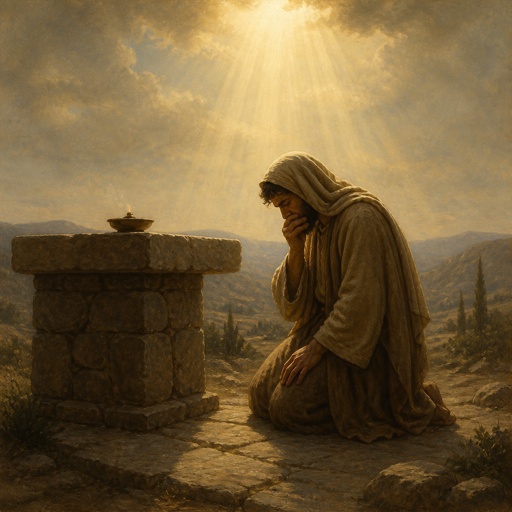
"Thou shalt not take the name of the LORD thy God in vain; for the LORD will not hold him guiltless that taketh his name in vain." - Exodus 20:7

Exodus 7:10

Exodus 7:10

Exodus 12:7

Exodus 12:7

Exodus 20:20 - "And Moses said unto the people, Fear not: for God is come to prove you, and that his fear may be before your faces, that ye sin not."

Exodus 20:3 - "Thou shalt have no other gods before me."

The Plague of Locusts - Exodus 10:1-20

The Plague of Locusts - Exodus 10:1-20

The Plague of Flies - Exodus 8:20-32

The Plague of Locusts - Exodus 10:1-20

The Plague of Locusts - Exodus 10:1-20

The Plague of Locusts - Exodus 10:1-20

The Plague of Flies - Exodus 8:20-32.