The Call to Freedom: Hearing God’s Voice Amidst Oppression
"And the LORD spake unto Moses, Go unto Pharaoh, and say unto him, Thus saith the LORD, Let my people go, that they may serve me." - Exodus 8:1
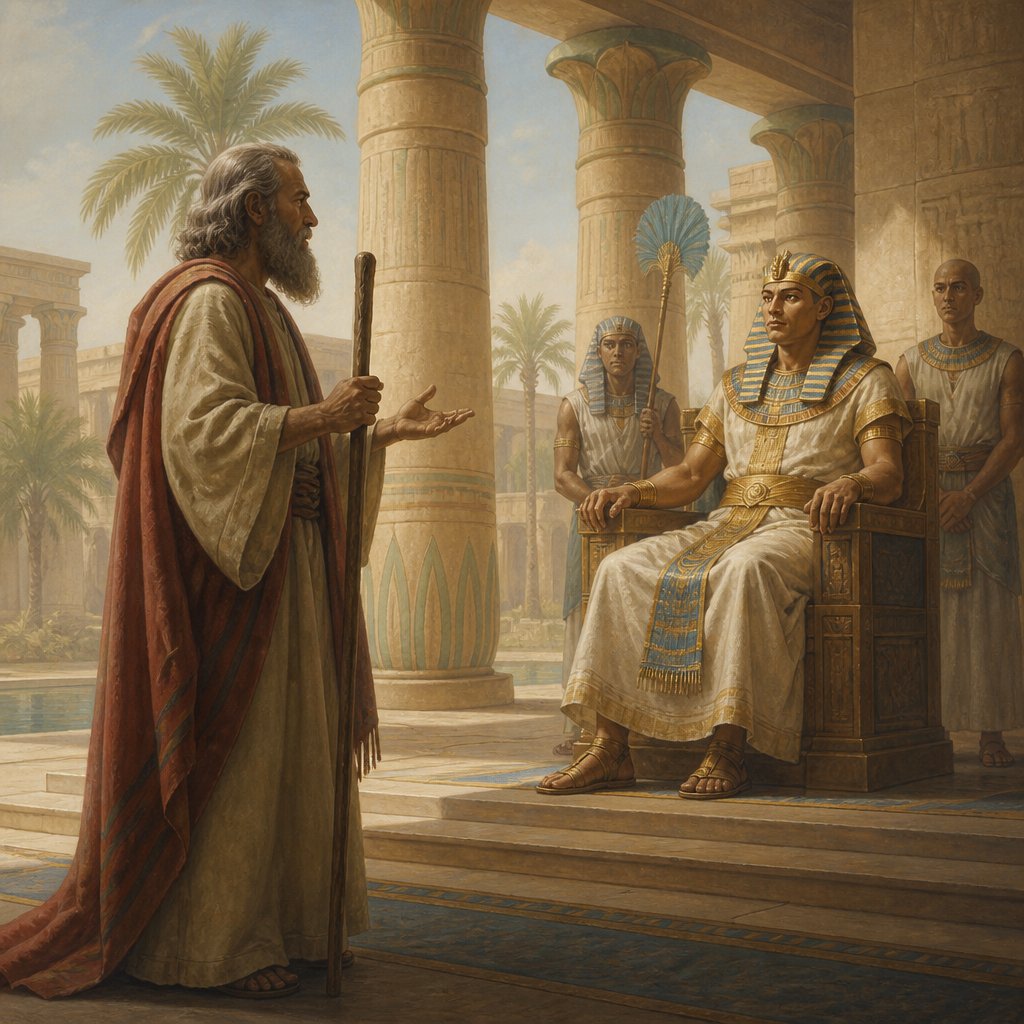
In the book of Exodus 8:1, we encounter a powerful moment that encapsulates both the heart of God and the mission of His chosen leader, Moses. The verse states, "And the LORD spake unto Moses, Go unto Pharaoh, and say unto him, Thus saith the LORD, Let my people go, that they may serve me." To truly grasp the weight of this command, we need to reflect on the context in which it was given and the profound truths it carries for us today.
Firstly, this passage unfolds against the backdrop of Israel's enslavement in Egypt. For generations, the Israelites toiled under harsh conditions, their hopes and dreams suppressed by a Pharaoh who refused to recognize their plight and their God. The situation was grave, and the people cried out to God in their suffering.
In this moment, we learn about the nature of God. He is not a distant deity but a God who hears the cries of His people. Just as He reached out to the Israelites in their bondage, He reaches out to us in our moments of despair and suffering. The phrase "Let my people go" is not merely a demand but a declaration of purpose. God desires to liberate His people so they can serve Him. This signifies that freedom is not merely an end in itself, but that true freedom finds its purpose in serving and glorifying God.
As we consider Moses’ role in this divine command, we see a man called to lead his people out of bondage. Moses, despite his insecurities and imperfections, is chosen by God to be the voice of liberation. This speaks volumes about how God operates; He equips the called to fulfill His purpose. Like Moses, each of us may feel inadequate or overwhelmed by the tasks God lays before us. However, it is not about our strength, but about the strength of God working through us.
God’s directive to Moses also emphasizes the importance of obedience and courage in times of adversity. For Moses, approaching Pharaoh was no small task. Pharaoh was not just a figure of authority; he was a powerful ruler who had the means and the will to resist. Yet, God empowers Moses with His presence and instruction.
This brings us to the deeper implications of this verse for our lives today. Each of us may face our own ‘Pharaohs’—situations, struggles, or authorities that seem insurmountable and oppressive. In these moments, we too are called to listen to God's voice. He may be beckoning us towards freedom, towards action, towards brave confrontation of the injustices in our own lives and the lives of others.
Moreover, asking to be released to serve is a clarion call for all believers. Freedom in Christ means we are liberated from sin, guilt, and shame. But it is not enough to merely bask in this liberty; we are called to serve God and others. Jesus echoed this sentiment: "For even the Son of man came not to be ministered unto, but to minister, and to give his life a ransom for many" (Mark 10:45, KJV).
So how do we respond to God’s command to let His people go? We must first embrace the freedom He offers us through Christ and use it to serve Him passionately. We are invited into the narrative of God’s mission—to care for the oppressed, to announce liberty to captives, and to spread the good news of hope and salvation. In doing so, we fulfill our purpose, echoing God’s call to bring about His kingdom on Earth, just as Moses was to bring his people out of Egypt.
In reflection, we must ask ourselves: What is the Pharaoh in my life that I need to confront today? How can I embrace the freedom God has given me to serve Him better? As we surrender to God’s call, let's remember that our liberation is intertwined with our devotion to Him, and like Moses, may we boldly declare His truth wherever we are called.
Want to reflect more on Exodus 8:1?
Continue your spiritual journey with Bible Chat — an AI-powered tool for exploring God's Word through conversation. Ask questions, discover connections, and deepen your understanding.
Get Our Apps


Exodus 8:1 Artwork

Exodus 8:1-15

The Plague of Frogs - Exodus 8:1-15

The Plague of Frogs - Exodus 8:1-15

The Plague of Frogs - Exodus 8:1-15

The Plague of Frogs - Exodus 8:1-15

The Plague of Frogs - Exodus 8:1-15

Exodus 8:1 - "And the LORD spake unto Moses, Go unto Pharaoh, and say unto him, Thus saith the LORD, Let my people go, that they may serve me."
"And the LORD spake unto Moses, Go unto Pharaoh, and say unto him, Thus saith the LORD, Let my people go, that they may serve me." - Exodus 8:1

Exodus 27:1-8

Exodus 25:8

Exodus 1:8 - "Now there arose up a new king over Egypt, which knew not Joseph."
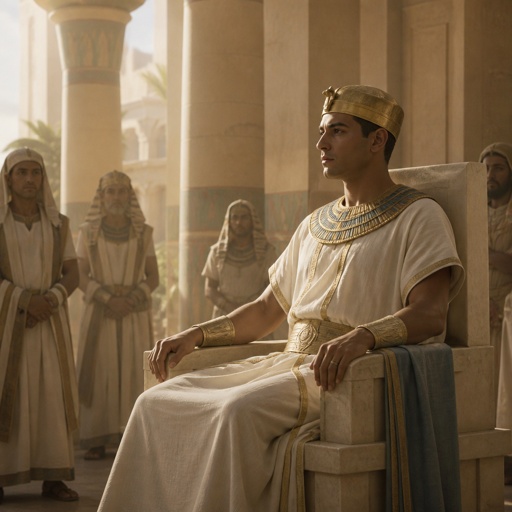
"Now there arose up a new king over Egypt, which knew not Joseph." - Exodus 1:8

Exodus 17:8 - "¶ Then came Amalek, and fought with Israel in Rephidim."

Exodus 20:8 - "Remember the sabbath day, to keep it holy."

Exodus 7:8 - "¶ And the LORD spake unto Moses and unto Aaron, saying,"

Exodus 8:14 - "And they gathered them together upon heaps: and the land stank."

Exodus 35:8 - "And oil for the light, and spices for anointing oil, and for the sweet incense,"

Exodus 8:30 - "And Moses went out from Pharaoh, and intreated the LORD."

The Plague of Boils - Exodus 9:8-12

The Plague of Boils - Exodus 9:8-12

The Plague of Gnats - Exodus 8:16-19

Exodus Chapter 7 Verses 8-10

The Plague of Flies - Exodus 8:20-32.

The Plague of Boils - Exodus 9:8-12

The Plague of Flies - Exodus 8:20-32

The Plague of Boils - Exodus 9:8-12

The Plague of Flies - Exodus 8:20-32

The Plague of Boils - Exodus 9:8-12

The Plague of Boils - Exodus 9:8-12.

The Plague of Boils - Exodus 9:8-12