Separation for Salvation: Understanding Divine Distinction
“And I will put a division between my people and thy people: to morrow shall this sign be.” — Exodus 8:23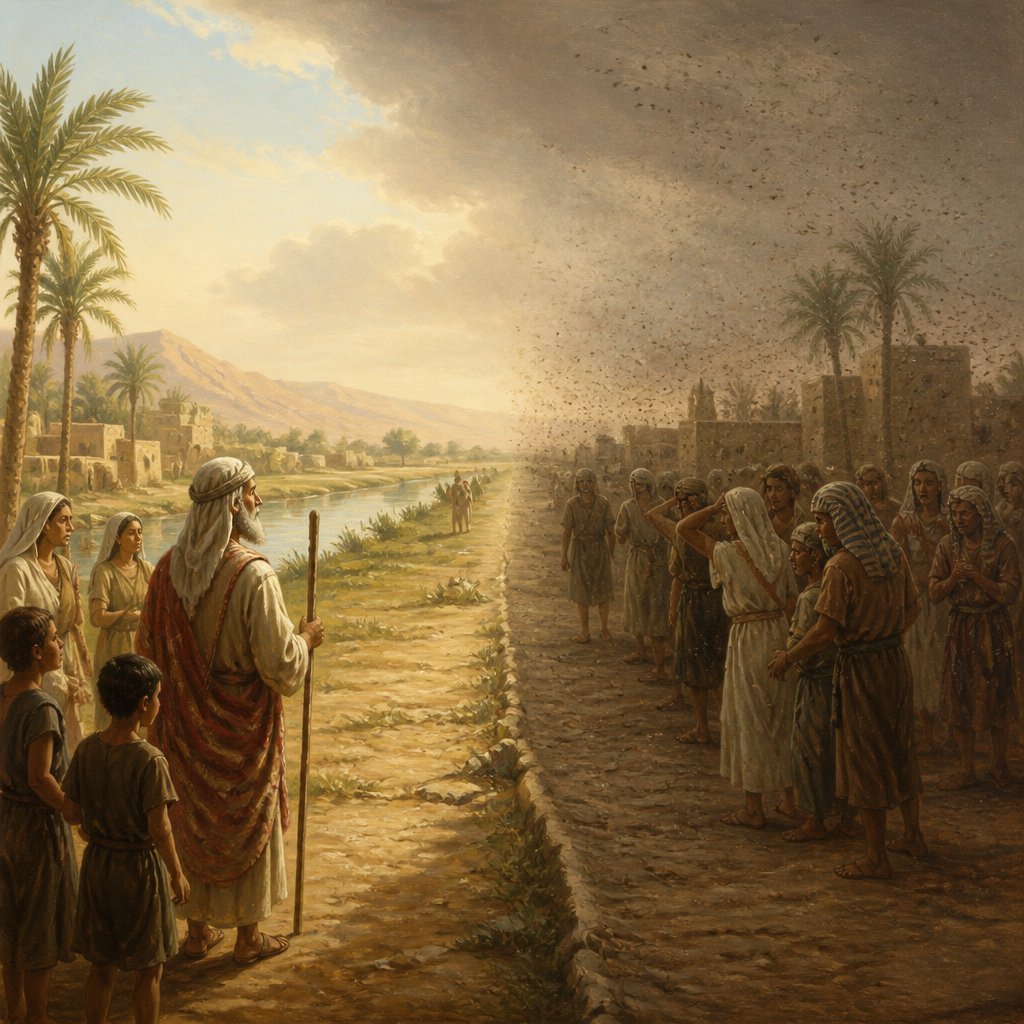
Exodus 8:23 states, "And I will put a division between my people and thy people: to morrow shall this sign be." This verse emerges during a pivotal moment in the narrative of the exodus, a time when God was demonstrating His sovereignty and power over Pharaoh and Egypt through a series of plagues. The context of this verse reveals profound theological insights on the nature of God’s relationship with His people, the concept of divine separation, and the profound implications for our lives today.
To grasp the significance of this division, we must first understand the backdrop of the Exodus story. The Israelites were enslaved in Egypt, enduring harsh treatment under Pharaoh. In response to their suffering, God raised up Moses to lead them to freedom. However, Pharaoh's heart was hardened, and he refused to let the Israelites go. Each plague served not only as a judgment against Pharaoh and the gods of Egypt but also as a means of revelation for both the Israelites and the Egyptians—showing the undeniable power of the God of Israel.
As God prepared to unleash the next plague, He declared a clear demarcation between His people and the Egyptians. "I will put a division between my people and thy people" signifies more than mere physical separation; it’s a profound act of divine intervention. God was making it abundantly clear that while the Egyptians would face the consequences of their actions, His chosen people would be sheltered and preserved. This distinction represents God’s covenant relationship with the Israelites, affirming that they are regarded as His people.
This verse invites profound reflection on the meaning of divine separation. For the Israelites, it was a sign of hope and protection. They were not merely a group of suffering individuals but a people chosen by God, designated for deliverance and a future filled with promise. As believers today, we must recognize that in Christ, we have also been set apart. Ephesians 1:4 tells us that God chose us in Him before the foundation of the world, that we should be holy and without blame before Him. The separation that God speaks of in Exodus is echoed in our lives as we are called to live as citizens of heaven amidst a world that is often in contrast to God’s will.
Moreover, this separation is not merely physical; it is spiritual and relational. In a world that is often at odds with God’s ways, He calls us to be distinct. In 2 Corinthians 6:17, we find Paul echoing the call for separation, saying, "Wherefore come out from among them, and be ye separate, saith the Lord, and touch not the unclean thing; and I will receive you." Just as God distinguished between His people and the Egyptians, we are called to separate ourselves from sin and the prevailing moral decay of our culture. It doesn’t imply a withdrawal from the world but rather an active engagement in the world while upholding the standards of God’s kingdom.
God’s promise in Exodus 8:23 is both a warning and an assurance. It serves as a reminder that those who align themselves with God and His purposes will experience His protection and favor, even amid trials and tribulations. Just as the plagues were signs of judgment against obstinate rebellion, they also brought forth an opportunity for repentance. The world will continue to see God’s hand at work, delivering His people while allowing consequences to fall upon unrepentant hearts.
Today, as we ponder this verse, let us ask ourselves: where does our allegiance lie? Are we aligning ourselves with the values and practices of the wider culture or with God’s Word? May we embrace our identity as God’s chosen people, living lives that reflect His holiness and grace, fully aware that we are called to stand on the promises of the One who delivers and protects. In Christ, there is a beautiful division—a separation from sin and a heritage of eternal significance. Let us rejoice and walk boldly in that truth!
Get our apps


Artwork for Exodus 8:23

Exodus 8:23 - "And I will put a division between my people and thy people: to morrow shall this sign be."
"And I will put a division between my people and thy people: to morrow shall this sign be." - Exodus 8:23

Exodus 23:8 - "¶ And thou shalt take no gift: for the gift blindeth the wise, and perverteth the words of the righteous."
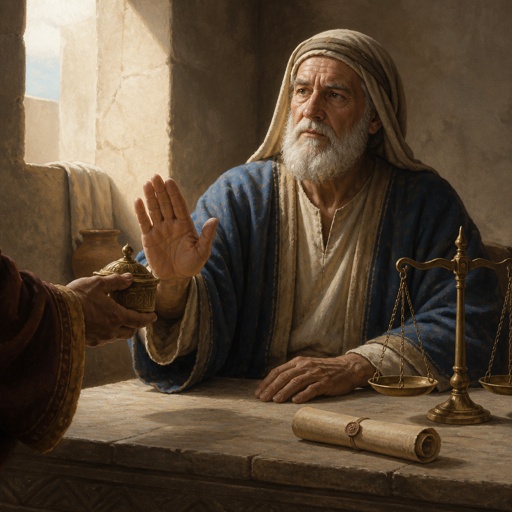
"¶ And thou shalt take no gift: for the gift blindeth the wise, and perverteth the words of the righteous." - Exodus 23:8

Exodus 23:20

Exodus 23:4

Exodus 23:28

Exodus 15:23

Exodus 23:4
Exodus 15:23

Exodus 23:28

Exodus 23:27-28

Exodus 23:28-29

Exodus 23:32 - "Thou shalt make no covenant with them, nor with their gods."

Exodus 25:8

Exodus 23:6 - "Thou shalt not wrest the judgment of thy poor in his cause."

Exodus 23:23 - "For mine Angel shall go before thee, and bring thee in unto the Amorites, and the Hittites, and the Perizzites, and the Canaanites, the Hivites, and the Jebusites: and I will cut them off."

Exodus 21:23 - "And if any mischief follow, then thou shalt give life for life,"

Exodus 23:3 - "¶ Neither shalt thou countenance a poor man in his cause."

Exodus 26:23 - "And two boards shalt thou make for the corners of the tabernacle in the two sides."

Exodus 36:23 - "And he made boards for the tabernacle; twenty boards for the south side southward:"

Genesis 23-8
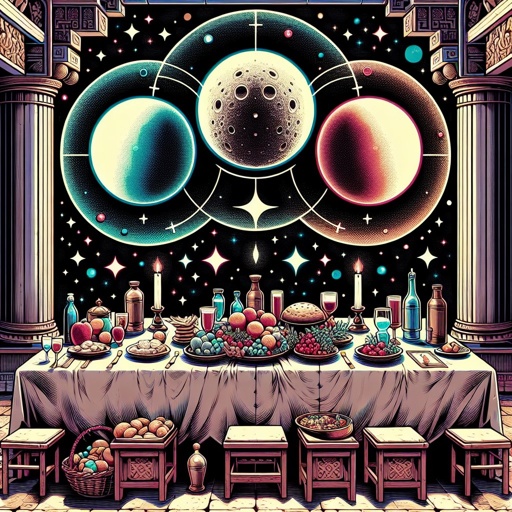
Exodus 23:14 - "¶ Three times thou shalt keep a feast unto me in the year."

Exodus 27:1-8

Exodus 8:1-15

Exodus 17:8 - "¶ Then came Amalek, and fought with Israel in Rephidim."

Exodus 20:8 - "Remember the sabbath day, to keep it holy."

1 Chronicles 8:23 - "And Abdon, and Zichri, and Hanan,"

Exodus 39:23 - "And there was an hole in the midst of the robe, as the hole of an habergeon, with a band round about the hole, that it should not rend."

Exodus 40:23 - "And he set the bread in order upon it before the LORD; as the LORD had commanded Moses."