The Elevation of Our Purpose
“And the cherubims were lifted up. This is the living creature that I saw by the river of Chebar.” — Ezekiel 10:15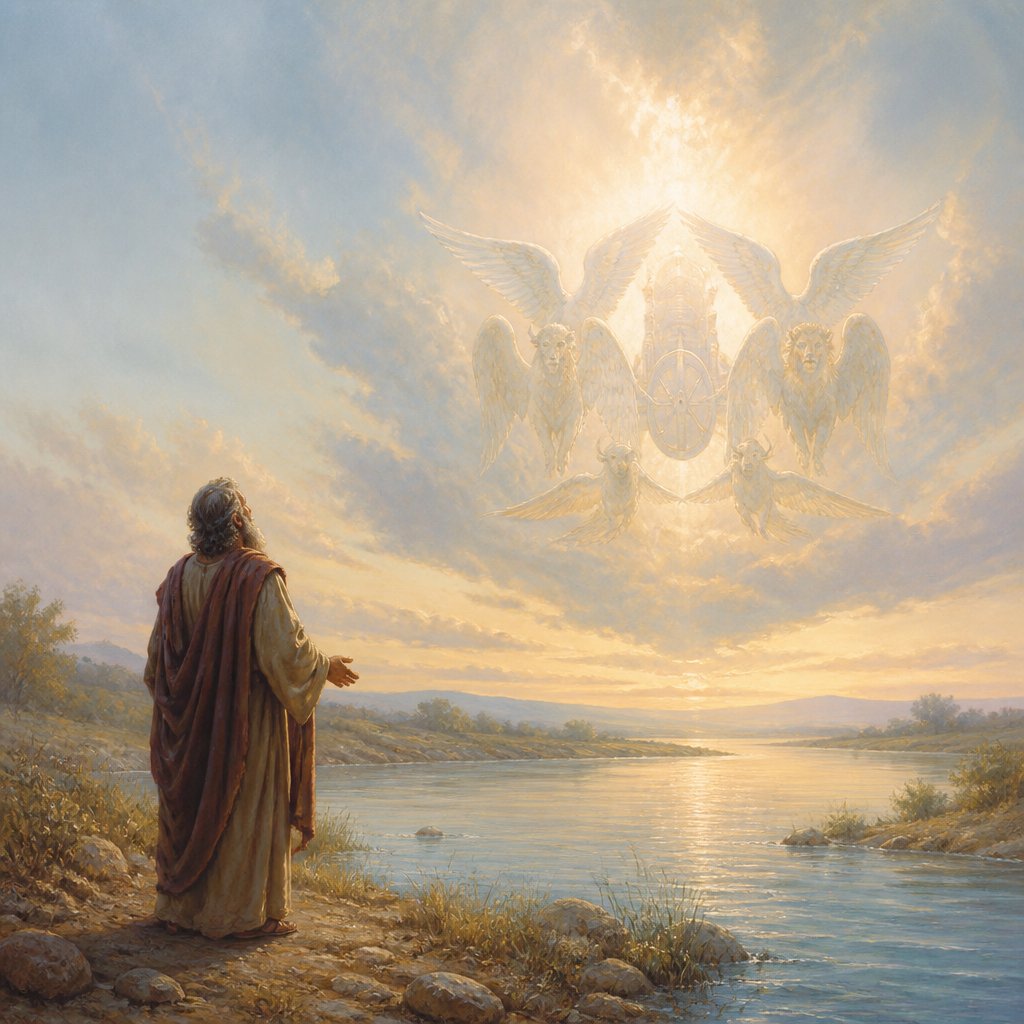
The verse from Ezekiel 10:15 in the King James Version reads, "And the cherubims were lifted up. This is the living creature that I saw by the river of Chebar." This simple yet profound declaration by the prophet Ezekiel invites us to reflect on the themes of divine presence and the elevation of spiritual beings assigned for special purposes.
To truly understand the significance of this verse, we must consider the context in which Ezekiel is writing. The prophet is a majestic figure, caught in the midst of visionary experiences that reveal the character and nature of God. In his visions, particularly recorded in the book, the imagery of cherubims appears repeatedly, serving as heavenly messengers or guardians of God's holy presence.
In the ancient Near East, cherubims symbolized the swift execution of God’s will on earth, harmonizing the divine with the terrestrial, representing both judgement and mercy. The lifting up of the cherubims signifies not just their physical elevation but their active role in God’s plan. These beings are multidimensional in their symbolic function — they are representatives of divine authority, protectors of holiness, and facilitators of God’s action among His people. The fact that Ezekiel identifies them as the same living creatures he encountered by the river Chebar highlights the continuity of God’s work and the perennial nature of divine communication with humanity.
As we reflect on the phrase, "the cherubims were lifted up," we are invited to consider our own elevation within our spiritual journeys. In a world filled with disturbances and distractions, we may often feel grounded in our troubles, yet God beckons us to rise above our circumstances, just as the cherubims were lifted. This act of lifting up resembles God’s promise that He will raise us to new heights of understanding, purpose, and connection with Him.
Consider the nature of the river Chebar, where Ezekiel first encountered these living creatures. The river is a metaphorical place of transition — a liminal space where one can reflect on their spiritual life, growth, and changes. Rivers often symbolize the flow of life, movement, and the cleansing of the soul. In our own lives, we encounter rivers of tribulation, doubt, or change. Yet, in these moments, God lifts us — not only shifting our position but also transforming our perspective. He lifts our burdens, elevating our hearts and minds to think and live in accordance with His will.
In practical terms, how can we align ourselves with this elevation? First and foremost, we need to foster a posture of humility and receptivity before God. Prayer becomes our lifeline, where we lift our desires and concerns to Him, inviting His transforming power into our lives. Just as the cherubims execute the will of God without hesitation, we too must cultivate an eagerness to respond to His call.
Moreover, engaging with Scripture serves as a means to ascend spiritually. As we meditate on God’s word, we allow our minds to soar beyond earthly concerns. In those moments, we may find ourselves, like the cherubims, elevated above the mundane, experiencing a renewed purpose and vision for our lives.
Lastly, community plays a crucial role in this elevation. We are called not to navigate our journeys alone but to reach out and uplift one another through fellowship, worship, and encouragement. The cherubims worked in the company of one another — each contributing to the greater purpose of God's plan. Let us seek to be in community with others who inspire us to rise above our circumstances, fulfilling our roles as messengers and participants in God’s kingdom work.
In conclusion, the lifting up of the cherubims serves as a powerful reminder of our capacity to rise above our trials and tribulations. God invites us to soar with divine purpose, and by embracing prayer, Scripture, and fellowship, we can extend our spiritual wings and partake in the sacred elevation that He offers to all who are willing. Let us allow our spirits to be lifted as we reflect on the wonders of His plans, embracing the glorious promise that awaits us.
Get our apps


Artwork for Ezekiel 10:15

Ezekiel 10:15 - "And the cherubims were lifted up. This is the living creature that I saw by the river of Chebar."
"And the cherubims were lifted up. This is the living creature that I saw by the river of Chebar." - Ezekiel 10:15

Ezekiel 10:10

Ezekiel 10:10

Ezekiel 10:10

Ezekiel 10:10

Ezekiel 10:10 - "And as for their appearances, they four had one likeness, as if a wheel had been in the midst of a wheel."

ezekiel 47:8-10

ezekiel 47:8-10

ezekiel 47:8-10

ezekiel 47:8-10

Ezekiel 37:1-10 – The valley of dry bones.

Ezekiel 37:1-10 – The vision of the valley of dry bones.

Ezekiel 1:10-11

ezekiel 47:8-10

matthew 15 matthew 15:10

Ezekiel 15:1 - "And the word of the LORD came unto me, saying,"

Ezekiel 37:15 - "¶ The word of the LORD came again unto me, saying,"

Ezekiel 37:1-10 – The vision of the valley of dry bones.

Ezekiel 24:15 - "¶ Also the word of the LORD came unto me, saying,"

Genesis 15:10

Luke 15:10

Ezekiel 10:8 - "¶ And there appeared in the cherubims the form of a man's hand under their wings."

Ezekiel 15:8 - "And I will make the land desolate, because they have committed a trespass, saith the Lord GOD."

Ezekiel 10:13 - "As for the wheels, it was cried unto them in my hearing, O wheel."

Ezekiel 45:10 - "Ye shall have just balances, and a just ephah, and a just bath."
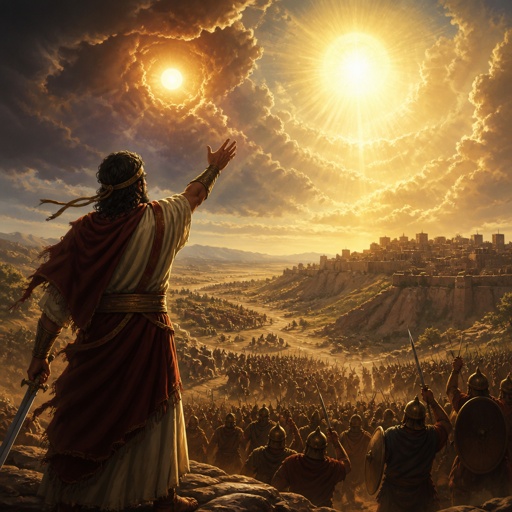
joshua 10:1-15

John 15:9-10

John 15:9-10

Romans 10:13-15