Understanding the Burden: A Call to Responsibility and Awakening
"Say thou unto them, Thus saith the Lord GOD; This burden concerneth the prince in Jerusalem, and all the house of Israel that are among them." - Ezekiel 12:10
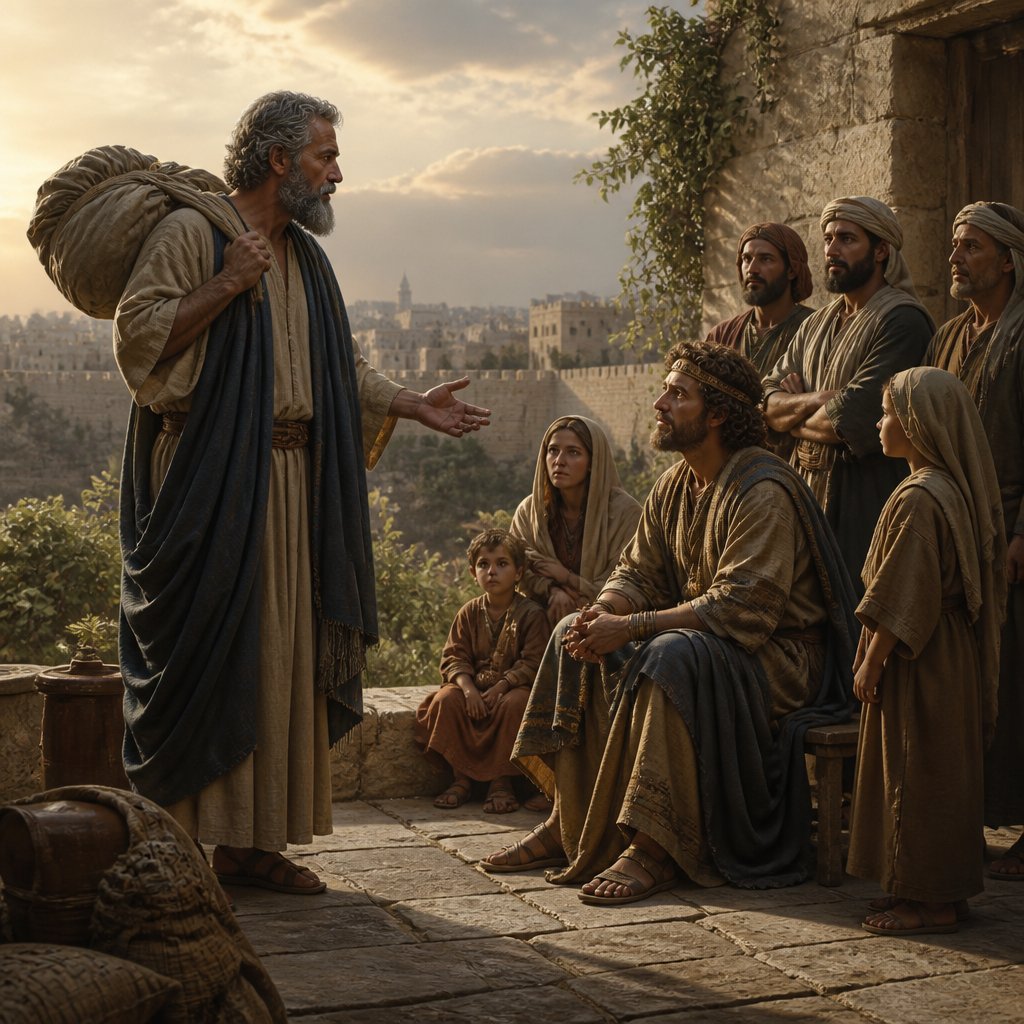
Ezekiel 12:10 presents a powerful insight into the nature of divine communication and the weight of responsibility that accompanied the prophetic message. The verse states, "Say thou unto them, Thus saith the Lord GOD; This burden concerneth the prince in Jerusalem, and all the house of Israel that are among them." This profound declaration speaks not only to the immediate context of Jerusalem but also resonates through generations, challenging us to reflect on the burdens we bear as individuals and communities under God's sovereignty.
To understand the significance of this verse, we must first explore the role of Ezekiel. As a prophet, he was a spokesman for God, tasked with conveying messages that were often uncomfortable, challenging, and heavy-hearted. The word "burden" in this context bears connotations of weight, responsibility, and a call to action. There is a profound sense of urgency and seriousness embedded in God’s exhortation through Ezekiel, directing attention toward the leaders and the people of Israel. Indeed, the fate of God’s chosen nation rested not only on the shoulders of the prince but also on the collective spirit and actions of the house of Israel.
This burden outlined was not a call to despair but rather a call to acknowledgment and responsibility. As believers, we are often called to contend with the realities of our world, addressing the issues that weigh heavily on our hearts and communities. How often do we consider that God speaks through our burdens? He may be prompting us to respond, to take action, to intercede, or simply to reflect and seek a way forward amid trials and tribulations.
The phrase "thus saith the Lord GOD" establishes the weight of authority and truth behind the message. God is making it clear that these are not mere words from Ezekiel's own heart but a divine edict that must be heeded. The call is clear: the prince of Jerusalem and all of Israel must recognize their shared responsibility. For those in leadership, it is a stark reminder that their actions and decisions carry heavy implications for their people, while for the individual within the house of Israel, it becomes an invitation to support, implore, and reflect upon their own roles within the communal fabric of faith.
Moreover, this scripture challenges us to consider our response to the burdens we bear in our contemporary lives. What is the burden that God has placed upon your heart today? Is it for a friend in need, a family member who is struggling, or perhaps a societal injustice that calls for your voice? As Christians, we are part of a larger narrative where our obedience and responsiveness to the divine call can bring about change and healing in both our lives and the lives of others.
The call to recognize our collective responsibilities extends beyond our immediate circles. We exist in a world grappling with issues of division, strife, and moral ambiguity. We are reminded that God has entrusted us, each one, with burdens — our actions and compassion can inspire movement towards restoration. In bringing our challenges and concerns to God, we become conduits of hope and healing, just as Ezekiel was for Israel.
Finally, let us pray for clarity and strength as we navigate our own burdens. With each weight we carry, may we seek God's guidance to direct our hearts not just toward personal alleviation but toward transformative action for those around us. Just as God spoke through Ezekiel to awaken Israel, may we be ever vigilant, ready to hear God’s command to address the burdens of today and work toward restoring His kingdom on earth.
In conclusion, Ezekiel 12:10 serves as both a somber reminder and a hopeful invitation. We are called to recognize and embrace our burdens, understanding that through them, God shapes us and uses us for His purposes. Let us stand together, as did the prince and the house of Israel, committed to responding to the divine call in our lives and communities.
Want to reflect more on Ezekiel 12:10?
Continue your spiritual journey with Bible Chat — an AI-powered tool for exploring God's Word through conversation. Ask questions, discover connections, and deepen your understanding.
Get Our Apps


Ezekiel 12:10 Artwork

Ezekiel 12:10 - "Say thou unto them, Thus saith the Lord GOD; This burden concerneth the prince in Jerusalem, and all the house of Israel that are among them."
"Say thou unto them, Thus saith the Lord GOD; This burden concerneth the prince in Jerusalem, and all the house of Israel that are among them." - Ezekiel 12:10

Ezekiel 10:12 - "And their whole body, and their backs, and their hands, and their wings, and the wheels, were full of eyes round about, even the wheels that they four had."

Ezekiel 10:10

Ezekiel 10:10

Ezekiel 10:10

Ezekiel 10:10
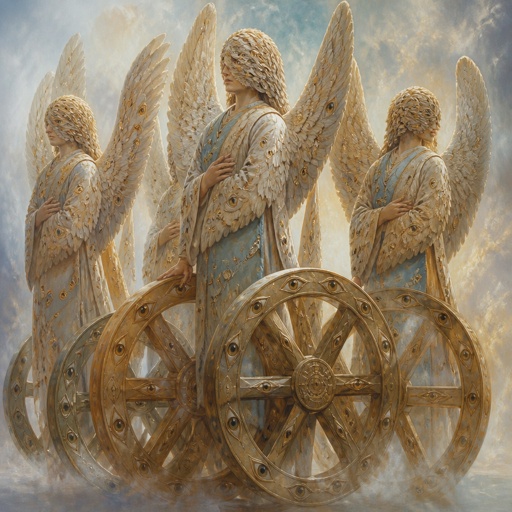
"And their whole body, and their backs, and their hands, and their wings, and the wheels, were full of eyes round about, even the wheels that they four had." - Ezekiel 10:12

ezekiel 47:1-12

ezekiel 47:1-12

ezekiel 47:1-12

Ezekiel 47:1-12

ezekiel 47:1-12

ezekiel 47:1-12

ezekiel 47:1-12

ezekiel 47:1-12

ezekiel 47:1-12

Ezekiel 10:10 - "And as for their appearances, they four had one likeness, as if a wheel had been in the midst of a wheel."

ezekiel 47:1-12

ezekiel 47:1-12

ezekiel 47:1-12

ezekiel 47:1-12

ezekiel 47:1-12

ezekiel 47:8-10

ezekiel 47:8-10

ezekiel 47:8-10

ezekiel 47:8-10

Ezekiel 37:1-10 – The valley of dry bones.

Ezekiel 37:1-10 – The vision of the valley of dry bones.

Ezekiel 1:10-11