Understanding the Call of the Rebellious: A Reflection on Ezekiel 12:9
“Son of man, hath not the house of Israel, the rebellious house, said unto thee, What doest thou?” — Ezekiel 12:9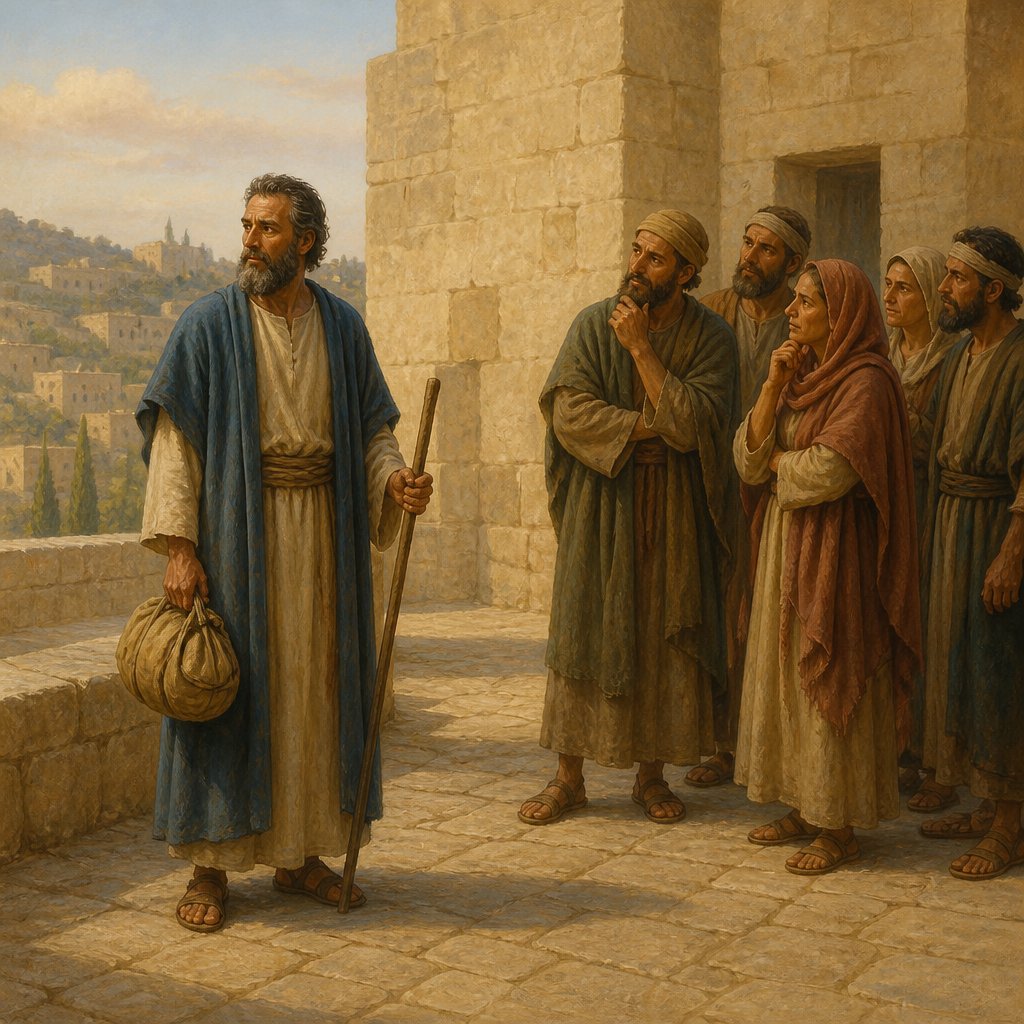
Ezekiel 12:9 (KJV): "Son of man, hath not the house of Israel, the rebellious house, said unto thee, What doest thou?"
In this profound passage, we witness God speaking directly to Ezekiel, a prophet chosen to convey His messages to a people who were, at that time, deeply entrenched in rebellion against Him. The term "Son of man" reflects Ezekiel’s humanity and his divine commission. God’s use of this phrase indicates both His recognition of Ezekiel as a person of flesh and blood and His preparation to instruct him in a divine calling.
As we reflect on this verse, we understand that the Israelites had grown accustomed to questioning God's prophets, often responding with skepticism or ridicule. This specific question, "What doest thou?" is significant. It reveals not just their disbelief but a deeper disconnect with the divine will. The rebellious house—Israel—was unable to comprehend what God was doing through His servant Ezekiel. Here was a prophet acting out God's commands while the people stood back in their skepticism, naively unaware of the seriousness of the situation.
This verse symbolizes the human tendency to challenge authority, particularly divine authority. Throughout history, mankind has persistently questioned God's motives, often asking, "Why do You allow suffering?" or "What purpose could this serve?" The Israelites were not being dismissive; rather, they were deeply entrenched in a worldview shaped by immediate earthly circumstances. As they witnessed prophecies that foretold destruction, they did not comprehend that God, in His mercy, was trying to lead them back to repentance and reconciliation.
The term "rebellious house" carries weight. It denotes a stubbornness against correction, a refusal to align with God’s will and purposes. This is a mirror reflecting not just Israel but humanity as a whole. How often do we find ourselves in a similar stance, questioning God when things do not unfold according to our plans? How often do we resist the very guidance meant to lead us away from pain towards redemption?
In asking Ezekiel, "What doest thou?" the people exhibited a lack of understanding of God’s plans and of Ezekiel’s authority as a prophet. God was instructing Ezekiel to take drastic actions that symbolized the impending doom of Jerusalem—a message meant to spur them to repentance. These symbolic acts, often appearing bizarre to the casual observer, were meant to jolt the people into realizing the seriousness of their situation, yet they responded to the prophet out of their skepticism rather than constructively.
As we meditate on this interaction, we are prompted to examine our own responses to divine instruction. When faced with God’s truth that disrupts our comfort zones, do we question His methods, or do we seek to understand His heart? Are we, like the house of Israel, quick to perceive events from our limited perspective, failing to recognize the broader narrative of redemption and grace?
We must remember that when God calls, whether through scripture, the Holy Spirit, or the conviction of a fellow believer, He does so with purpose. Every question we ask should lead us not to doubt but rather to deeper inquiry about God’s character and purposes. The path of faith often leads through valleys of confusion where it seems difficult to perceive God’s hand. Yet, in those moments, our role is not to question His authority but to submit in trust, even if our understanding lags behind.
Finally, this verse serves as a poignant reminder that God’s patience with His people is vast. Despite our rebellion, His call persists. Like Ezekiel, we are commissioned to carry forth His messages, often to those most resistant. May we learn to trust not in our understanding but in the faithful God who sees all and whose plans extend beyond what our eyes can perceive. In our yielding to His divine timing, we might find ourselves more receptive to the lessons He desires to teach us, ultimately growing stronger in our faith, informed by a heart of obedience.
Get our apps


Artwork for Ezekiel 12:9

Ezekiel 12:9 - "Son of man, hath not the house of Israel, the rebellious house, said unto thee, What doest thou?"
"Son of man, hath not the house of Israel, the rebellious house, said unto thee, What doest thou?" - Ezekiel 12:9

Ezekiel 47:1-9, 12

ezekiel 47:1-12

ezekiel 47:1-12

ezekiel 47:1-12

ezekiel 47:1-12

ezekiel 47:1-12

Ezekiel 47:1-12

ezekiel 47:1-12

ezekiel 47:1-12

ezekiel 47:1-12

ezekiel 47:1-12

ezekiel 47:1-12

ezekiel 47:1-12

ezekiel 47:1-12

ezekiel 47:1-12

Ezekiel 33:3-9

Ezekiel 12:17 - "¶ Moreover the word of the LORD came to me, saying,"

Ezekiel 14:12 - "¶ The word of the LORD came again to me, saying,"

Ezekiel 12:26 - "¶ Again the word of the LORD came to me, saying,"

Ezekiel 12:21 - "¶ And the word of the LORD came unto me, saying,"

Ezekiel 12:1 - "The word of the LORD also came unto me, saying,"

Ezekiel 34:9 - "Therefore, O ye shepherds, hear the word of the LORD;"

Ezekiel 12:8 - "¶ And in the morning came the word of the LORD unto me, saying,"

Ezekiel 12:5 - "Dig thou through the wall in their sight, and carry out thereby."
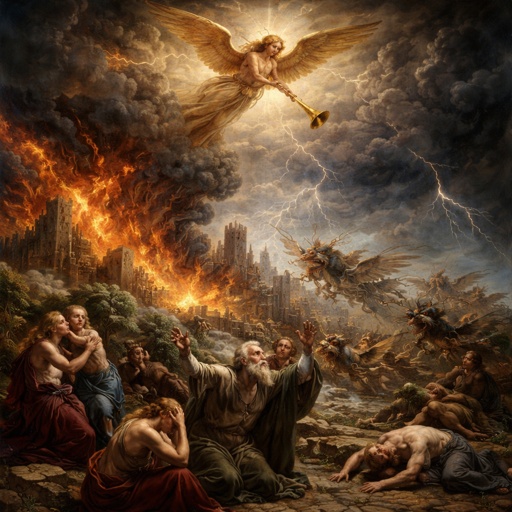
Rev 9:12

prov 9:12

Ezekiel 39:12 - "And seven months shall the house of Israel be burying of them, that they may cleanse the land."

Ezekiel 8:9 - "And he said unto me, Go in, and behold the wicked abominations that they do here."