The Withering of Hope: Lessons from Ezekiel 17:10
“Yea, behold, being planted, shall it prosper? shall it not utterly wither, when the east wind toucheth it? it shall wither in the furrows where it grew.” — Ezekiel 17:10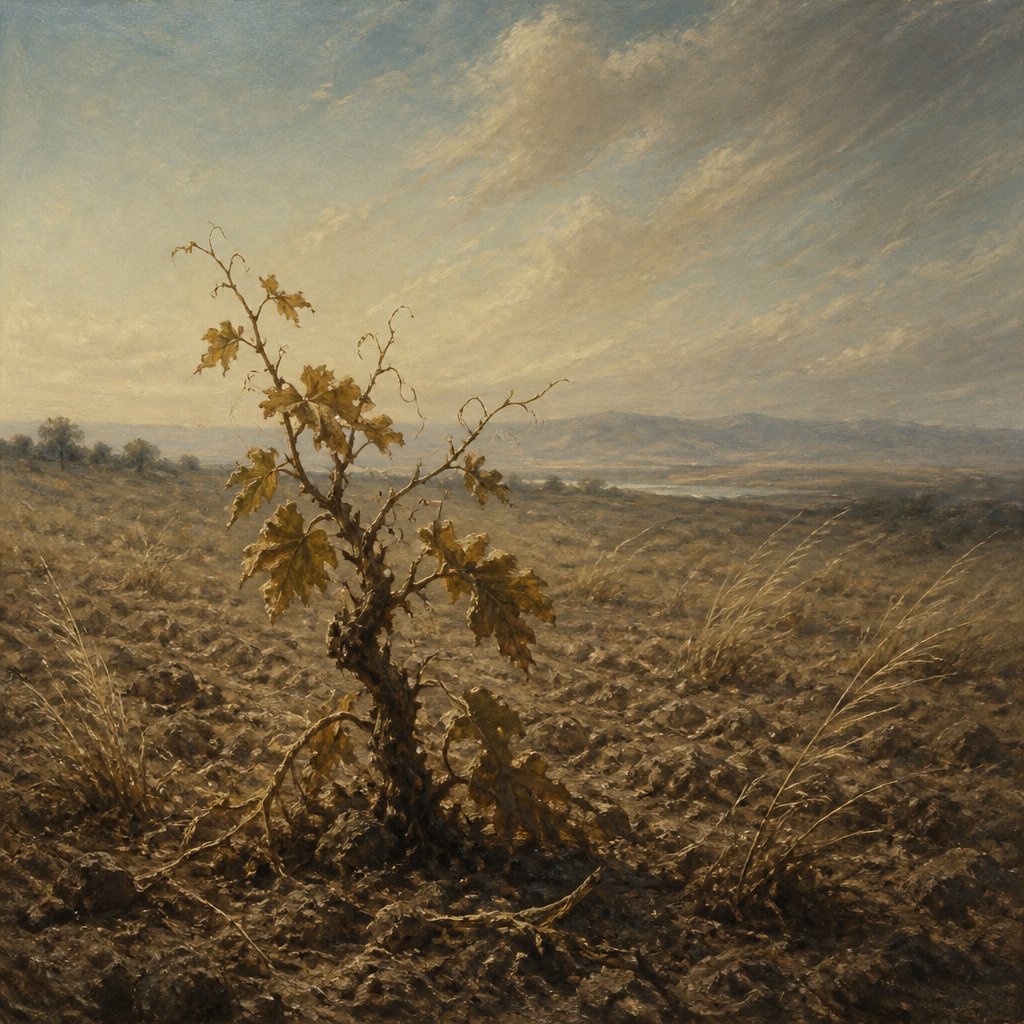
In the book of Ezekiel, we encounter a powerful parable that conveys deep truths about hope, growth, and the nature of our faith. Ezekiel 17:10 states, "Yea, behold, being planted, shall it prosper? shall it not utterly wither, when the east wind toucheth it? it shall wither in the furrows where it grew." This verse encapsulates profound themes that resonate with our spiritual walk and the circumstances we face in life.
The imagery of a plant being subjected to withering winds serves as a poignant reminder of the conditions that can affect our spiritual well-being. Here, the east wind symbolizes adverse conditions or trials that can come into our lives unexpectedly. It serves as a graphic illustration of how easily our hope and faith can be tested.
When we consider a plant, we realize that it requires proper conditions to thrive: it must be rooted in nutrient-rich soil, receive adequate water, and be sheltered from harsh elements. The east wind, often associated with scorching heat and drought in biblical times, represents those challenging circumstances that can threaten our growth. It raises an essential question for believers: In the face of tribulation, what sustains our faith?
Understanding the metaphor of a plant also directs our attention to the concept of being "planted" in good soil. Psalm 1:3 describes a righteous person as one who is "like a tree planted by the rivers of water, that bringeth forth his fruit in his season; his leaf also shall not wither; and whatsoever he doeth shall prosper." This paints a clear picture of what it means to be firmly established in God’s presence and truth, receiving nourishment from His word and the Spirit.
In the context of Ezekiel 17:10, we are challenged to reflect on our own lives. Are we firmly planted in the Lord, drawing strength and support from His word? Or are we vulnerable to the storms that life inevitably brings? The vital aspect of this verse is the implication that without the proper foundation, our faith may falter when the winds of adversity blow. The question posed—"shall it prosper?"—communicates a sense of uncertainty that arises when we find ourselves untethered from the source of life.
This verse also invokes a sense of urgency for cultivation. If a seed is planted but thrives in a hostile environment, it will eventually wither. Thus, we must be aware of the climates we allow our hearts to inhabit. How do we react to pressures and trials? Do we push away from God in moments of distress, or do we lean in closer, finding refuge in His promises? The answer may very well determine whether we wither under trial or flourish through it.
Moreover, this verse invites us to consider the effects of external influences on our spiritual lives. Just as the east wind can strip a tree of its vitality, negativity, doubt, or the distractions of the world can draw us away from the truth of God’s word. To be strong amid life’s trials, we must surround ourselves with godly influences, immerse ourselves in Scripture, and engage in prayer and fellowship with other believers, lest we become susceptible to withering.
As we reflect on Ezekiel 17:10, let us embrace the lessons it teaches. May we remain steadfast and anchored, choosing to cultivate our relationship with the Lord diligently. Even when confronted with the east winds of life, let us seek the strength that comes from being securely planted in Christ, enabling us to stand firm and prosper even amid adversity. Therefore, let us remember that though external circumstances may seem daunting, with God as our gardener, we are meant to not merely survive but truly thrive.
Get our apps


Artwork for Ezekiel 17:10
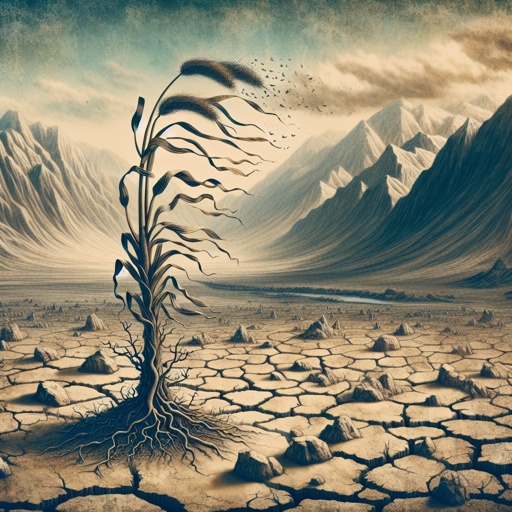
Ezekiel 17:10 - "Yea, behold, being planted, shall it prosper? shall it not utterly wither, when the east wind toucheth it? it shall wither in the furrows where it grew."
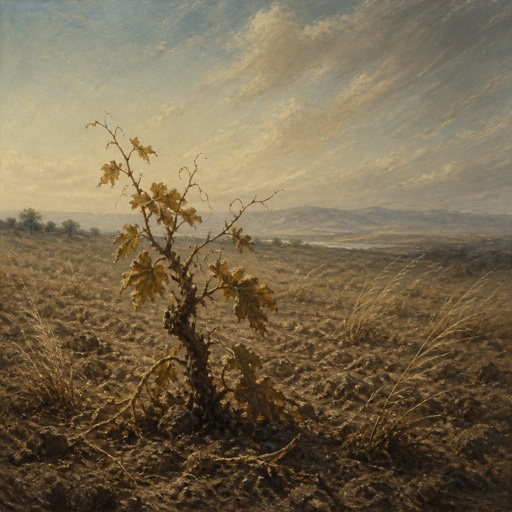
"Yea, behold, being planted, shall it prosper? shall it not utterly wither, when the east wind toucheth it? it shall wither in the furrows where it grew." - Ezekiel 17:10

Ezekiel 10:17 - "When they stood, these stood; and when they were lifted up, these lifted up themselves also: for the spirit of the living creature was in them."

Ezekiel 10:10

Ezekiel 10:10

Ezekiel 10:10

Ezekiel 10:10

Ezekiel 3:17

"When they stood, these stood; and when they were lifted up, these lifted up themselves also: for the spirit of the living creature was in them." - Ezekiel 10:17

Ezekiel 17:1 - "And the word of the LORD came unto me, saying,"

Ezekiel 22:17 - "And the word of the LORD came unto me, saying,"

Ezekiel 12:17 - "¶ Moreover the word of the LORD came to me, saying,"

Romans 10:17

Romans 10:17

Romans 10:17

Ezekiel 10:10 - "And as for their appearances, they four had one likeness, as if a wheel had been in the midst of a wheel."

Romans 10:17

Romans 10:17

Romans 10:17

ezekiel 47:8-10

ezekiel 47:8-10

ezekiel 47:8-10

ezekiel 47:8-10

Luke 10:17-19

Ezekiel 37:1-10 – The valley of dry bones.

Ezekiel 17:11 - "¶ Moreover the word of the LORD came unto me, saying,"

Ezekiel 37:1-10 – The vision of the valley of dry bones.

Ezekiel 1:10-11

ezekiel 47:8-10

Luke 10:17-19