The Weight of Righteousness: A Call to Justice
“Hath oppressed the poor and needy, hath spoiled by violence, hath not restored the pledge, and hath lifted up his eyes to the idols, hath committed abomination,” — Ezekiel 18:12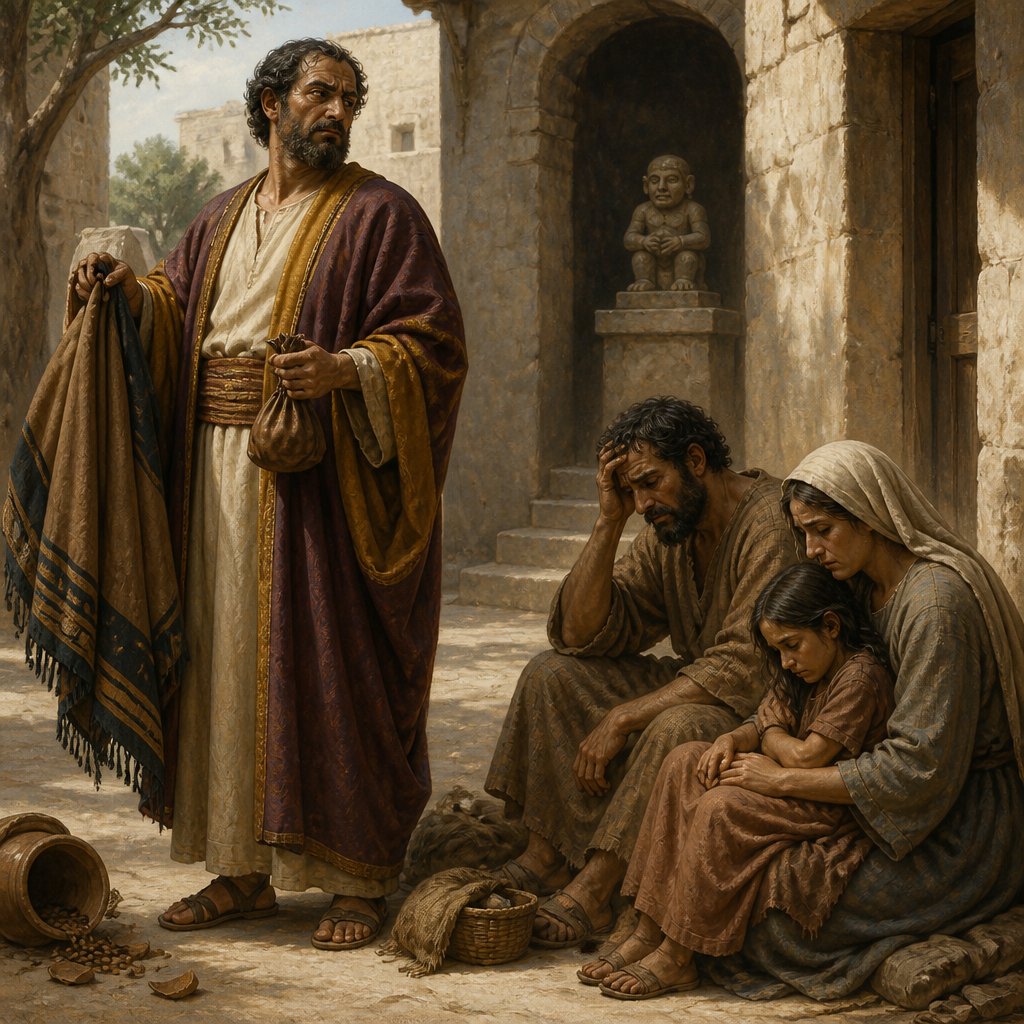
Ezekiel 18:12 states, "Hath oppressed the poor and needy, hath spoiled by violence, hath not restored the pledge, and hath lifted up his eyes to the idols, hath committed abomination." This verse from the Book of Ezekiel captures the weighty nature of our moral and spiritual choices, marking a sharp divide between righteousness and unrighteousness, justice and injustice. In a world that often seems to turn a blind eye to suffering, this passage serves as a stark reminder of God's expectations for His people and the weight of our actions.
To fully understand this verse, it's essential to consider the context of Ezekiel's prophecies. The Israelites were paying the price for their rebellion against God. They had turned away from the life-giving commandments and had instead indulged in practices that led to oppression and transgression. Ezekiel was tasked with conveying God’s messages of judgment and mercy, prompting individuals to embrace repentance and justice.
In the verse we reflect upon, we are confronted with a series of grave accusations against those who choose to oppress the vulnerable.
**Oppressing the Poor and Needy**: The phrase “hath oppressed the poor and needy” reveals a heart that lacks compassion. Throughout Scripture, God repeatedly emphasizes His concern for the marginalized—"For you always have the poor with you" (Matthew 26:11). Oppression indicates a willful choice to exploit rather than uplift. As believers, we are called to advocate for those who cannot advocate for themselves, demonstrating the love of Christ through our actions. This is a call to examine our lives for any complacency regarding the plight of the underprivileged.
**Spoiling by Violence**: The next part, “hath spoiled by violence,” exposes the destructive nature of wrongdoing. Violence not only takes physical forms but can also manifest through verbal and emotional abuse or manipulation. In a culture that often celebrates power and control, we must resist the temptation to assert dominance over others. Jesus calls us to be peacemakers, seeking reconciliation and harmony rather than creating divisions.
**Not Restoring the Pledge**: The mention of “hath not restored the pledge” speaks to integrity and honor. Contracts and promises symbolize trustworthiness. In a world fraught with broken commitments and lies, maintaining one’s word is a powerful reflection of one's character. Psalm 15 states, "He that sweareth to his own hurt, and changeth not" (Psalm 15:4). This illustrates that true righteousness often comes with sacrifice; we must be willing to uphold our commitments, even when fulfilling them is challenging.
**Lifting Up Eyes to Idols**: Furthermore, “hath lifted up his eyes to the idols” is a condemnation of misplaced worship. Idolatry comes in many forms—materialism, ambition, or even the adoration of individuals. When our focus shifts away from God, we begin to lose our moral compass. It’s imperative to recognize what we hold dear in our lives. Are we prioritizing our relationship with God, or are we swayed by worldly distractions? This act of lifting our eyes towards idols reflects not just an outward action, but an inward condition of the heart.
**Committing Abomination**: Finally, we must grapple with the phrase “hath committed abomination.” This reflects the gravity of turning away from God’s ways. In essence, it acknowledges that when we engage in injustice, it is not merely a social failing but a deep spiritual transgression. In God’s eyes, it is an abomination, something that He detests. The challenge here is to not just recognize sin, but to actively pursue a life that stands against it.
As we meditate on Ezekiel 18:12, we are faced with a profound conviction to live a life marked by justice, integrity, compassion, and unwavering devotion to God. Each action, word, and thought ought to align with His call towards righteousness. Let us strive to be agents of change, confronting the injustices in our world with the love and truth of Christ, thereby restoring not only our relationship with God but also the fabric of our communities.
Get our apps


Artwork for Ezekiel 18:12
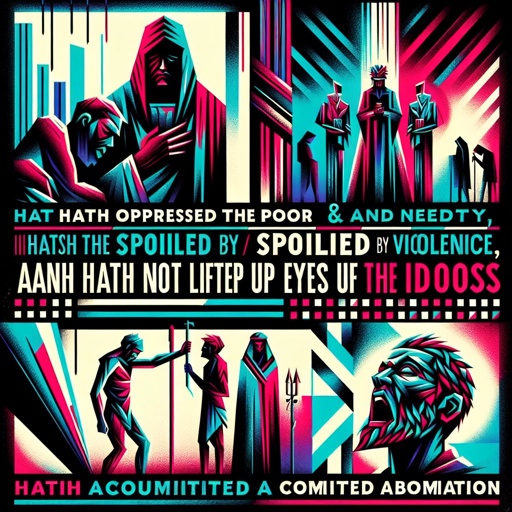
Ezekiel 18:12 - "Hath oppressed the poor and needy, hath spoiled by violence, hath not restored the pledge, and hath lifted up his eyes to the idols, hath committed abomination,"
"Hath oppressed the poor and needy, hath spoiled by violence, hath not restored the pledge, and hath lifted up his eyes to the idols, hath committed abomination," - Ezekiel 18:12

Ezekiel 12:18 - "Son of man, eat thy bread with quaking, and drink thy water with trembling and with carefulness;"
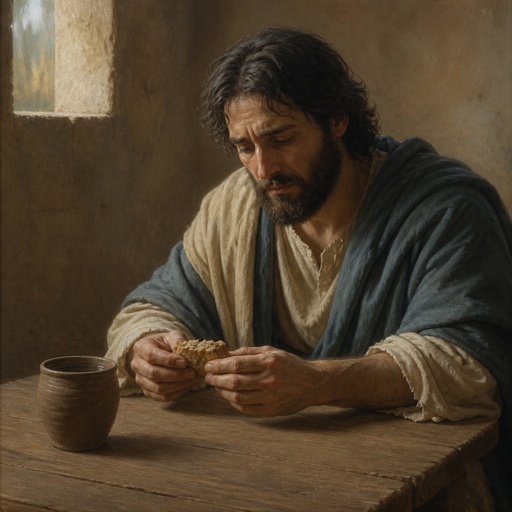
"Son of man, eat thy bread with quaking, and drink thy water with trembling and with carefulness;" - Ezekiel 12:18

ezekiel 47:1-12

ezekiel 47:1-12

ezekiel 47:1-12

Ezekiel 47:1-12

ezekiel 47:1-12

ezekiel 47:1-12

ezekiel 47:1-12

ezekiel 47:1-12

ezekiel 47:1-12

Ezekiel 18:5 - "¶ But if a man be just, and do that which is lawful and right,"

ezekiel 47:1-12

ezekiel 47:1-12

ezekiel 47:1-12

ezekiel 47:1-12

ezekiel 47:1-12

Ezekiel 21:18 - "¶ The word of the LORD came unto me again, saying,"

Ezekiel 18:1 - "The word of the LORD came unto me again, saying,"

Genesis 18-12

Acts 18:12

Acts 18:12

Ezekiel 14:12 - "¶ The word of the LORD came again to me, saying,"

Ezekiel 12:17 - "¶ Moreover the word of the LORD came to me, saying,"

Ezekiel 47:1-9, 12

Ezekiel 42:18 - "He measured the south side, five hundred reeds, with the measuring reed."

Ezekiel 40:18 - "And the pavement by the side of the gates over against the length of the gates was the lower pavement."

Ezekiel 12:26 - "¶ Again the word of the LORD came to me, saying,"