The Lament of Tyrus: A Call to Reflect on Our Own Decisions
“Now, thou son of man, take up a lamentation for Tyrus;” — Ezekiel 27:2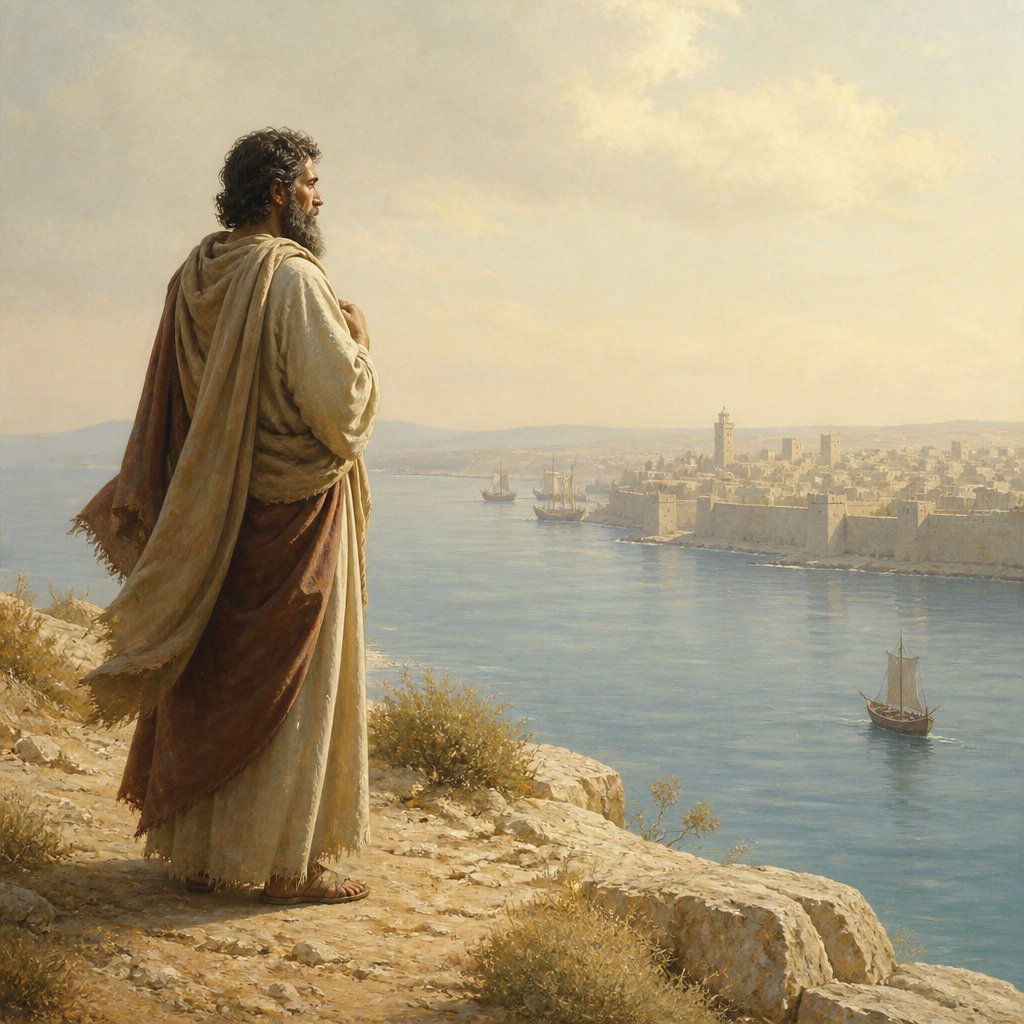
In Ezekiel 27:2, the Lord commands the prophet Ezekiel: "Now, thou son of man, take up a lamentation for Tyrus." This instruction sets the stage for a profound reflection not only on the fate of the ancient city of Tyre but also on the pitfalls of pride, prosperity, and spiritual neglect that can lead to mutual destruction—both personally and communally.
The lamentation for Tyrus is significant for several reasons. Firstly, it delineates the importance of lament in Scripture. Lamentations are not merely sorrowful outbursts but profound acknowledgments of loss, grief, and the consequences of sin. In engaging in lament, we are called to recognize the fragility of human achievement and community. Tyre was renowned for its trade and wealth, standing as a symbol of human ingenuity and success. However, this very success led to arrogance and a disconnection from God—the source of all wisdom and blessings.
The lamentation is a pivotal point for us as believers today. In determining what our own Tyre might represent, we can delve into our lives and examine what we have built. Are our cities of commerce and social advancement, too, at risk of being consumed by pride? We live in a world where success is often measured by wealth, status, and power. Conformity to societal standards draws individuals and communities away from the foundational truths that anchor us in faith. The warning in Ezekiel’s message is that immense wealth and pride can be deceptively alluring, just as Tyre’s thriving port became a trap for its citizens.
As Ezekiel laments for Tyre, he underscores a spiritual truth: the disconnection from God precedes downfall. In Tyre’s case, this disconnect stemmed from their worship of idols, reliance on their maritime prowess, and the elevation of commerce above godliness. We are encouraged through this passage to lament what we have placed above our relationship with God in our lives. Have we allowed our work or ambitions to overshadow our spiritual commitments? Are we too busy to hear the subtle laments in our own cities or lives?
Moreover, lamentation is an act of vulnerability—it requires us to confront uncomfortable truths. What are the false securities we have constructed around us? Just like Tyrus, when we become self-sufficient and forget the God who provided, our foundations begin to crumble. It is an invitation to publicly “take up a lamentation” for the areas of our lives that have grown distant from God, acknowledging the areas where we have fallen short or strayed.
In Ezekiel’s lament for Tyrus, we can glean lessons about intercession. As we note the spiritual state of our communities, families, and nations, we can cry out to God on their behalf. True lament leads to transformative prayer. Like Ezekiel, we can be conduits of God’s heart for a broken world, bringing attention to injustices and spiritual apathy that plague our surroundings.
Finally, we must remember that lamentation is not the end of the story. It is a pathway to restoration. Ezekiel’s words ultimately push us toward the hope of redemption. God calls us to mourn our mistakes, look upon the devastation with open eyes, and then strive towards a renewed commitment to faithfulness. The lament can become a catalyst for repentance, which can lead to revival.
In reflecting on Ezekiel 27:2, let us meditate on our lamentations—both personal and communal. Let them resonate as an act of turning; acknowledging wrongs, restoring priorities, and reaffirming our dependence upon God in all our ventures. May our laments not only carry the weight of sorrow but also resonate with the hope and promise of His everlasting grace.
Get our apps


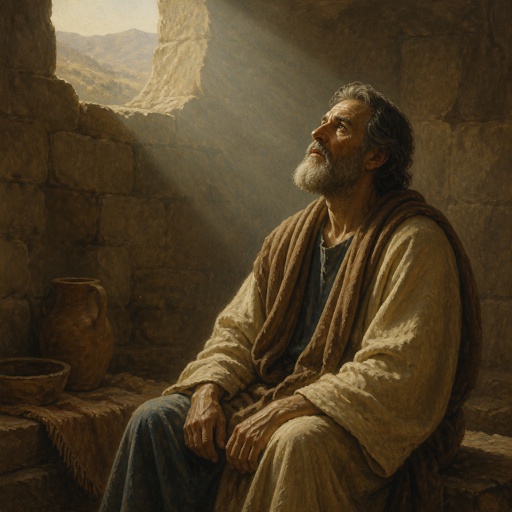
Artwork for Ezekiel 27:2

Ezekiel 27:2 - "Now, thou son of man, take up a lamentation for Tyrus;"
"Now, thou son of man, take up a lamentation for Tyrus;" - Ezekiel 27:2

Ezekiel 27:20 - "Dedan was thy merchant in precious clothes for chariots."

Ezekiel 27:28 - "The suburbs shall shake at the sound of the cry of thy pilots."

Ezekiel 27:1 - "The word of the LORD came again unto me, saying,"

Ezekiel 27:14 - "They of the house of Togarmah traded in thy fairs with horses and horsemen and mules."

Ezekiel 27:23 - "Haran, and Canneh, and Eden, the merchants of Sheba, Asshur, and Chilmad, were thy merchants."

Ezekiel 48:27 - "And by the border of Zebulun, from the east side unto the west side, Gad a portion."

Ezekiel 27:4 - "Thy borders are in the midst of the seas, thy builders have perfected thy beauty."

Ezekiel 37:27 - "My tabernacle also shall be with them: yea, I will be their God, and they shall be my people."

Ezekiel 27:21 - "Arabia, and all the princes of Kedar, they occupied with thee in lambs, and rams, and goats: in these were they thy merchants."

Ezekiel 27:36 - "The merchants among the people shall hiss at thee; thou shalt be a terror, and never shalt be any more."

Ezekiel 27:13 - "Javan, Tubal, and Meshech, they were thy merchants: they traded the persons of men and vessels of brass in thy market."

Ezekiel 27:35 - "All the inhabitants of the isles shall be astonished at thee, and their kings shall be sore afraid, they shall be troubled in their countenance."

Ezekiel 40:27 - "And there was a gate in the inner court toward the south: and he measured from gate to gate toward the south an hundred cubits."

Ezekiel 27:26 - "¶ Thy rowers have brought thee into great waters: the east wind hath broken thee in the midst of the seas."

Ezekiel 27:18 - "Damascus was thy merchant in the multitude of the wares of thy making, for the multitude of all riches; in the wine of Helbon, and white wool."

Ezekiel 21:27 - "I will overturn, overturn, overturn, it: and it shall be no more, until he come whose right it is; and I will give it him."
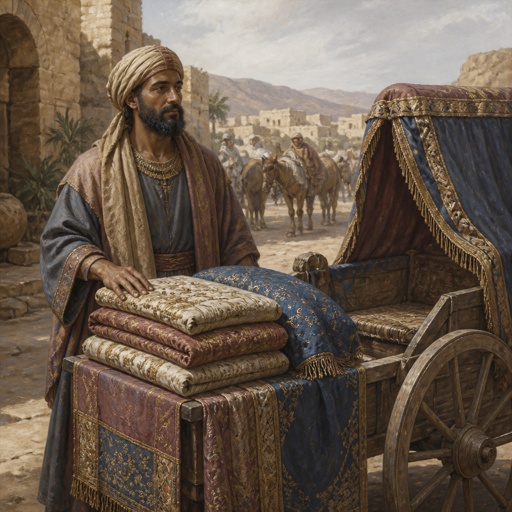
"Dedan was thy merchant in precious clothes for chariots." - Ezekiel 27:20

Ezekiel 27:25 - "The ships of Tarshish did sing of thee in thy market: and thou wast replenished, and made very glorious in the midst of the seas."

Ezekiel 27:19 - "Dan also and Javan going to and fro occupied in thy fairs: bright iron, cassia, and calamus, were in thy market."

Ezekiel 22:27 - "Her princes in the midst thereof are like wolves ravening the prey, to shed blood, and to destroy souls, to get dishonest gain."

Ezekiel 27:17 - "Judah, and the land of Israel, they were thy merchants: they traded in thy market wheat of Minnith, and Pannag, and honey, and oil, and balm."

Ezekiel 27:12 - "Tarshish was thy merchant by reason of the multitude of all kind of riches; with silver, iron, tin, and lead, they traded in thy fairs."

Ezekiel 27:8 - "The inhabitants of Zidon and Arvad were thy mariners: thy wise men, O Tyrus, that were in thee, were thy pilots."

Ezekiel 27:31 - "And they shall make themselves utterly bald for thee, and gird them with sackcloth, and they shall weep for thee with bitterness of heart and bitter wailing."

Ezekiel 27:29 - "And all that handle the oar, the mariners, and all the pilots of the sea, shall come down from their ships, they shall stand upon the land;"

Ezekiel 27:22 - "The merchants of Sheba and Raamah, they were thy merchants: they occupied in thy fairs with chief of all spices, and with all precious stones, and gold."
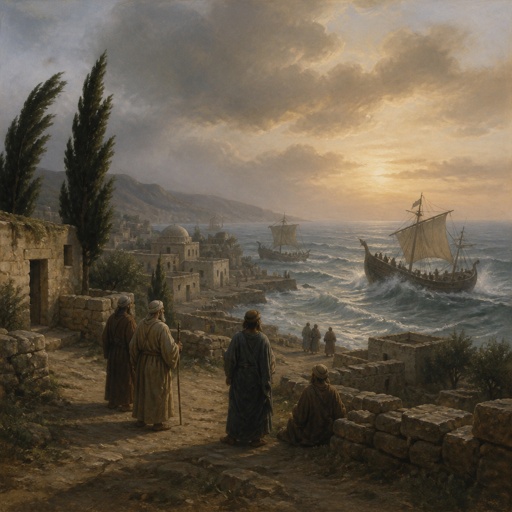
"The suburbs shall shake at the sound of the cry of thy pilots." - Ezekiel 27:28
"The word of the LORD came again unto me, saying," - Ezekiel 27:1