The Weight of Divine Justice
“And as for me also, mine eye shall not spare, neither will I have pity, but I will recompense their way upon their head.” — Ezekiel 9:10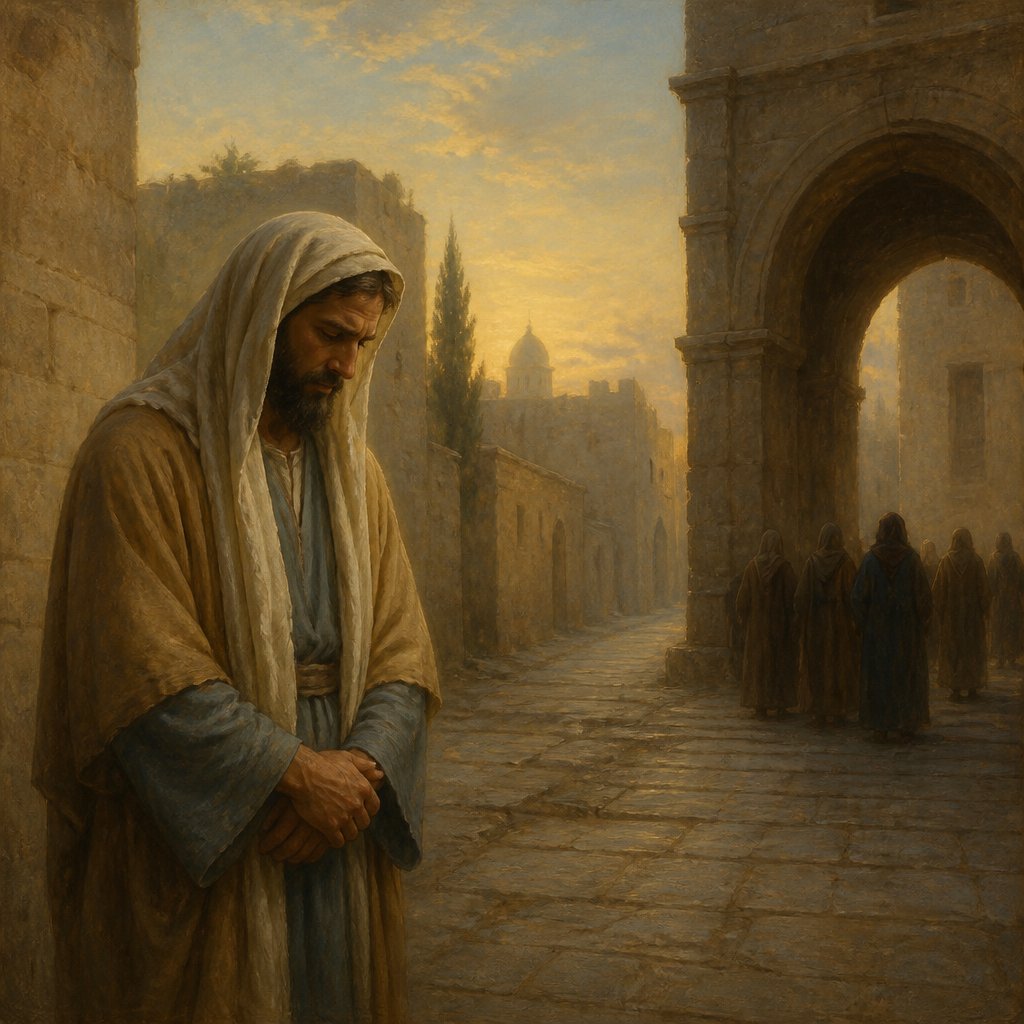
In the book of Ezekiel, chapter 9, verse 10, we encounter a profound declaration of God's justice: "And as for me also, mine eye shall not spare, neither will I have pity, but I will recompense their way upon their head." At first glance, this verse resonates with harshness and severity, but as we dive deeper into its meaning, we begin to see a portrait of a God deeply committed to righteousness and moral order.
This moment in Ezekiel takes place during a time of great turmoil and idolatry within Israel. God had raised Ezekiel as a watchman for the people—someone to declare God's message amidst spiritual decay. The situation here is grave: the people of Israel had turned away from God, indulged in sin, and persisted in a destructive lifestyle that led others astray. In the face of such disobedience, God expresses His intention to bring judgment.
What does it mean for God's eye to "not spare" and "not have pity"? It implies that God, whose nature is bound by holiness and justice, cannot overlook sin. The phrase signifies an unwavering stance against that which is contrary to His character. This is where the balance of God's love and justice becomes apparent. While God is loving and desires repentance, He is also just and must address wrongdoing.
In a contemporary context, it’s easy to dismiss the idea of divine judgment. We live in a culture that often promotes tolerance and acceptance, mistakenly equating love with a lack of accountability. Yet, true love cannot flourish in the absence of justice. If a parent ignores wrongful behavior in a child, they fail to love them truly, creating a pathway to greater harms. Divine justice is a necessary aspect of God’s love, meant to draw us back to righteousness.
Notice that the judgment described in Ezekiel isn’t arbitrary. God declares that He will "recompense their way upon their head." This is an important distinction; it suggests that the consequences of their actions are a direct result of their choices. God does not impose punishment simply for the sake of retribution. Instead, He allows the natural outcomes of the people's sinful ways to unfold, underscoring the principle that we reap what we sow (Galatians 6:7).
For believers today, this serves as a solemn reminder of personal accountability. As we navigate our lives, we must ask ourselves: What path are we choosing? Are our actions reflective of our faith and the character of God? The gravity of sin leads to consequences that can disrupt not only our lives but also the lives of those around us. God desires us to align our lives with His will—repentance and obedience are keys to experiencing His favor.
Moreover, we must remain steadfast in the assurance that God does not delight in judgment. In fact, His desire is for all to come to repentance (2 Peter 3:9). The warning in Ezekiel is not meant to instill fear but to awaken a sense of urgency within us. It is a call to reflect on our lives—are there areas where we are rebelling against God? Are we ignoring warnings that prompt us to return to right standing with Him?
In drawing this devotional to a close, let us remember three critical aspects of Ezekiel 9:10. First, recognize the seriousness of sin and its consequences. Second, embrace the grace available through Christ, who has borne the ultimate consequence for our sin. Finally, let this call us to action—a life lived in obedient reverence to God.
In the face of divine justice, may we choose to walk humbly, in awe of God's grace, while committing ourselves to the pursuit of righteousness. As we acknowledge the weight of our ways, let us rejoice in the mercy that leads us to righteousness and relationship with our Almighty God.
Get our apps


Artwork for Ezekiel 9:10

Ezekiel 9:10 - "And as for me also, mine eye shall not spare, neither will I have pity, but I will recompense their way upon their head."
"And as for me also, mine eye shall not spare, neither will I have pity, but I will recompense their way upon their head." - Ezekiel 9:10

Ezekiel 10:9 - "And when I looked, behold the four wheels by the cherubims, one wheel by one cherub, and another wheel by another cherub: and the appearance of the wheels was as the colour of a beryl stone."

Ezekiel 10:10

Ezekiel 10:10

Ezekiel 10:10

Ezekiel 10:10

Ezekiel 10:10 - "And as for their appearances, they four had one likeness, as if a wheel had been in the midst of a wheel."

ezekiel 47:8-10

ezekiel 47:8-10

ezekiel 47:8-10

ezekiel 47:8-10

Ezekiel 33:3-9

Ezekiel 37:1-10 – The valley of dry bones.

Ezekiel 37:1-10 – The vision of the valley of dry bones.

Ezekiel 1:10-11

ezekiel 47:8-10

Ezekiel 37:1-10 – The vision of the valley of dry bones.
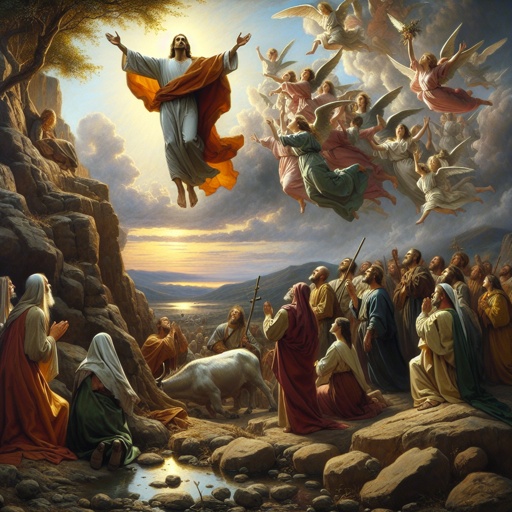
Psalm 10:9-10

Psalm 10:9-10

Ezekiel 47:1-9, 12

Ezekiel 34:9 - "Therefore, O ye shepherds, hear the word of the LORD;"

Ezekiel 10:8 - "¶ And there appeared in the cherubims the form of a man's hand under their wings."

Ezekiel 10:13 - "As for the wheels, it was cried unto them in my hearing, O wheel."

Ezekiel 45:10 - "Ye shall have just balances, and a just ephah, and a just bath."
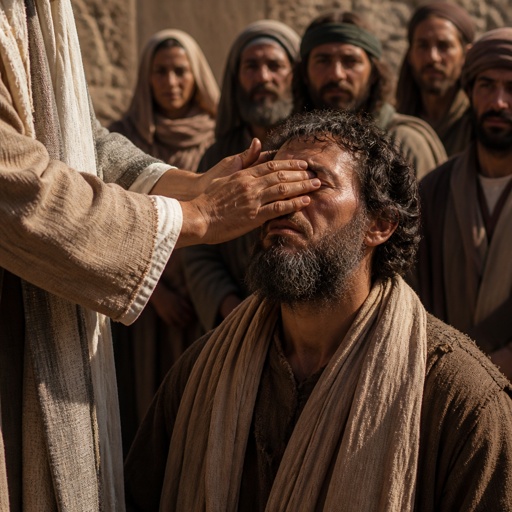
John 9:10

John 10:9

John 10:9

John 10:9

Ezekiel 8:9 - "And he said unto me, Go in, and behold the wicked abominations that they do here."