Hope in Confession: A Reflection on Renewal and Redemption
“And Shechaniah the son of Jehiel, one of the sons of Elam, answered and said unto Ezra, We have trespassed against our God, and have taken strange wives of the people of the land: yet now there is hope in Israel concerning this thing.” — Ezra 10:2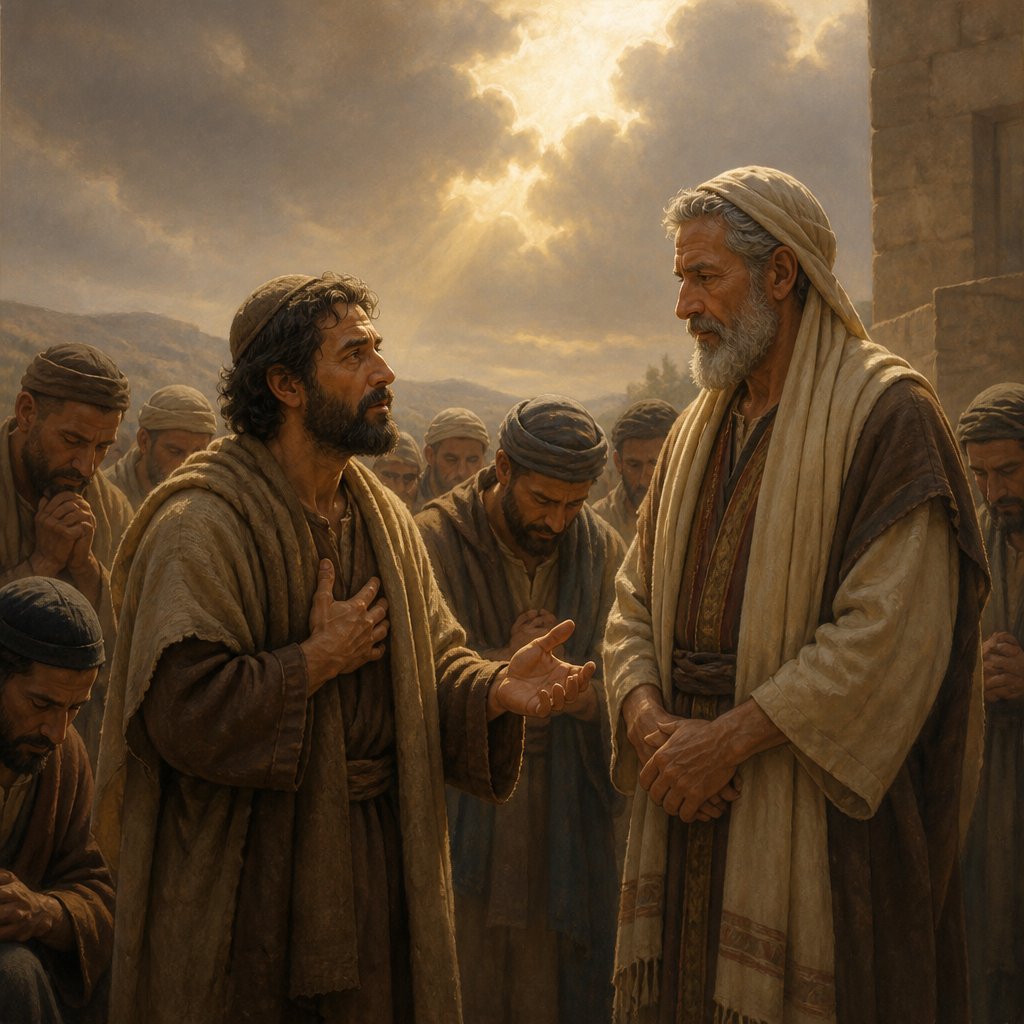
In the historical context of Ezra 10:2, we witness a significant moment in the life of the returning exiles. The verse reads: "And Shechaniah the son of Jehiel, one of the sons of Elam, answered and said unto Ezra, We have trespassed against our God, and have taken strange wives of the people of the land: yet now there is hope in Israel concerning this thing" (KJV). This succinct declaration is the catalyst of revival, intertwined with themes of confession, hope, and the promise of restoration.
To truly appreciate the weight of Shechaniah's words, we must first understand the circumstances that led to this confession. Upon returning to Jerusalem, Ezra faced a deeply troubling reality: many of the exiles had intermarried with surrounding nations. This act was seen not just as a cultural mingling but as a severe transgression against God’s command, threatening the spiritual integrity of God's people.
Shechaniah's response encapsulates the essence of accountability. As he acknowledges their collective sin—"We have trespassed against our God"—he does so not in the spirit of condemnation but of communal recognition. There is an urgent need in our lives to confront our failures honestly, just as Shechaniah did. In our daily lives, we sometimes find ourselves complacent in our spiritual journey, perhaps even engaging in habits or relationships that pull us away from the blueprints God has set for us.
Yet, in the midst of acknowledgment of wrongdoing comes the extraordinary illumination of hope—"yet now there is hope in Israel concerning this thing." This hope is transformative; it shifts the focus from despair over seemingly insurmountable failures to the possibility of redemption and restoration through God’s grace. Each one of us carries burdens of guilt and shame, yet the grace of God reminds us that no sin is too great to be redeemed.
Hope, in this context, is not wishful thinking; it is deeply rooted in the character of God who, throughout Scripture, extends forgiveness to those who turn back to Him. The sentence parallels the earlier distinctions in God’s nature as one who desires repentance over punishment.
The narrative moves forward from despair to action—what Shechaniah invokes is a call to purpose as they confront their transgressions. Hope is inherently linked to responsibility. We cannot merely state we have sinned; we must act upon that confession. Ezra’s response to Shechaniah triggers a communal response, leading to a significant transformation in Israel's identity. When we stand before God in openness, it not only affects our individual lives but also reverberates through our community life.
So how do we apply this in our modern lives? Firstly, it is essential to cultivate a heart that values confession. Confession is not merely about admitting wrongs; it is a pathway paving our way back to a deeper relationship with God. Secondly, we need to embrace hope, recognizing that every mistake lays the groundwork for a new chapter in our lives. God delights in our return to Him, and His arms are always wide open.
Finally, let us not forget the call to action that comes with confession. The fruits of repentance are tangible; they require steps towards change and restoration not just in our hearts but in our relationships and conduct.
Today, take a moment for self-reflection. Where have you strayed from God’s will? What strange things might you have embraced that dilute your devotion? Come before your God with honesty like Shechaniah. Acknowledge where you have wandered and declare with conviction, ‘Yet now there is hope!’
In this hope, find strength to walk forward, committing to transformation guided by the wisdom and grace of our God—who is always ready to forgive, restore, and renew.
Get our apps


Artwork for Ezra 10:2
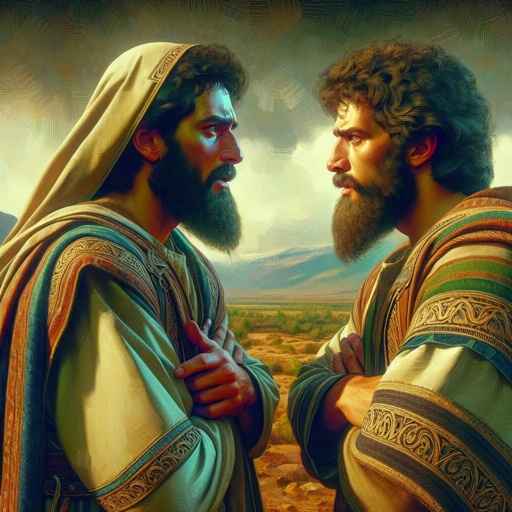
Ezra 10:2 - "And Shechaniah the son of Jehiel, one of the sons of Elam, answered and said unto Ezra, We have trespassed against our God, and have taken strange wives of the people of the land: yet now there is hope in Israel concerning this thing."
"And Shechaniah the son of Jehiel, one of the sons of Elam, answered and said unto Ezra, We have trespassed against our God, and have taken strange wives of the people of the land: yet now there is hope in Israel concerning this thing." - Ezra 10:2

Ezra 2:10 - "The children of Bani, six hundred forty and two."
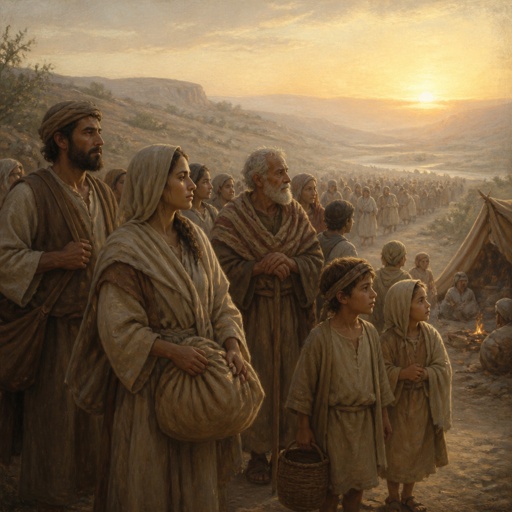
"The children of Bani, six hundred forty and two." - Ezra 2:10

Ezra 10:10-12

Ezra 10:10 - "And Ezra the priest stood up, and said unto them, Ye have transgressed, and have taken strange wives, to increase the trespass of Israel."

Ezra 10:3

Ezra 3:10

Ezra 10:3

Ezra 10:5 - "Then arose Ezra, and made the chief priests, the Levites, and all Israel, to swear that they should do according to this word. And they sware."

Ezra 7:10 - "For Ezra had prepared his heart to seek the law of the LORD, and to do it, and to teach in Israel statutes and judgments."

Ezra 10:38 - "And Bani, and Binnui, Shimei,"

Ezra 10:37 - "Mattaniah, Mattenai, and Jaasau,"

Ezra 10:40 - "Machnadebai, Shashai, Sharai,"

Ezra 10:32 - "Benjamin, Malluch, and Shemariah."

Ezra 10:36 - "Vaniah, Meremoth, Eliashib,"

Ezra 10:35 - "Benaiah, Bedeiah, Chelluh,"

Ezra 10:42 - "Shallum, Amariah, and Joseph."

Ezra 10:41 - "Azareel, and Shelemiah, Shemariah,"

Ezra 10:39 - "And Shelemiah, and Nathan, and Adaiah,"

Ezra 10:20 - "And of the sons of Immer; Hanani, and Zebadiah."

Ezra 10:34 - "Of the sons of Bani; Maadai, Amram, and Uel,"

Ezra 10:21 - "And of the sons of Harim; Maaseiah, and Elijah, and Shemaiah, and Jehiel, and Uzziah."

Ezra 10:24 - "Of the singers also; Eliashib: and of the porters; Shallum, and Telem, and Uri."

Ezra 10:28 - "Of the sons also of Bebai; Jehohanan, Hananiah, Zabbai, and Athlai."

Ezra 10:31 - "And of the sons of Harim; Eliezer, Ishijah, Malchiah, Shemaiah, Shimeon,"

"Azareel, and Shelemiah, Shemariah," - Ezra 10:41

"And Bani, and Binnui, Shimei," - Ezra 10:38

"And Shelemiah, and Nathan, and Adaiah," - Ezra 10:39

"Vaniah, Meremoth, Eliashib," - Ezra 10:36