Restoration of Identity: Understanding Ezra 10:22
“And of the sons of Pashur; Elioenai, Maaseiah, Ishmael, Nethaneel, Jozabad, and Elasah.” — Ezra 10:22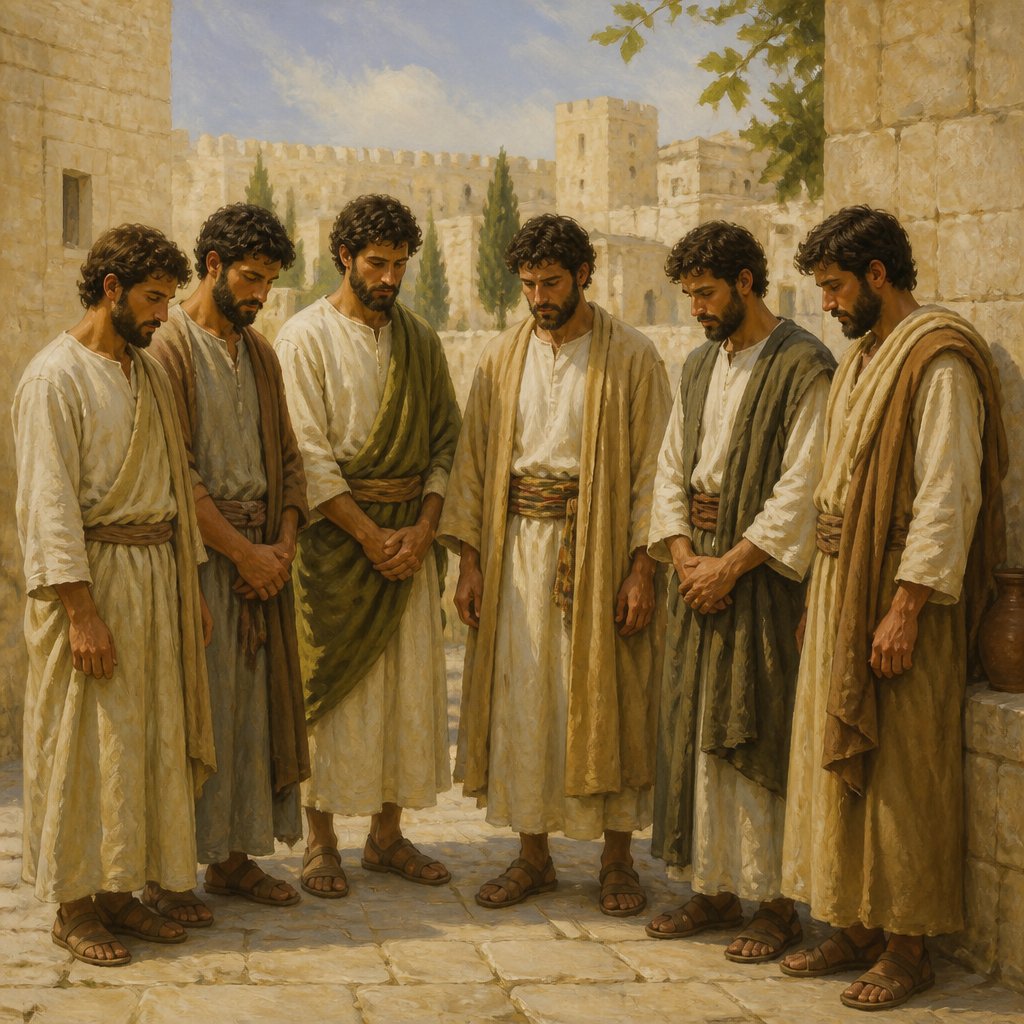
As we delve into the heart of Ezra 10:22, we encounter a verse that, at first glance, may seem to dwell in the mundane details of genealogies and names. The scripture reads: "And of the sons of Pashur; Elioenai, Maaseiah, Ishmael, Nethaneel, Jozabad, and Elasah." This lineage is significant not only for its historical context but also for the deeper spiritual revelations it offers to us today.
**The Context of Ezra and the Exile**
The Book of Ezra narrates the return of the Jewish people from Babylonian exile—a time characterized by profound sorrow, loss, and a search for identity. After years of separation from their homeland and heritage, the Israelites were yearning for restoration. Ezra, a priest and teacher of the Law, played a crucial role in this process of returning, teaching, and leading his people back to their covenant relationships with God.
In Ezra 10, we witness a crucial moment of communal repentance and a resolution to return to the ways of the Lord. The disobedience of intermarriage with foreign peoples had led them away from their covenant with God. As the people gathered, sorrowful and repentant, it was necessary for them to confront their lapses and seek restoration to their rightful place as God’s chosen people.
**Names with Meaning**
The names listed in this verse are more than mere labels; each carries with it a meaning that reflects the hopes, struggles, and ambitions of those individuals and the community at large. For example, Elioenai means “God is my God.” The very mention of Elioenai here suggests a recommitting of oneself to the Lord after a period of wandering away. Then, Maaseiah means “work of the Lord,” reminding us that our efforts must align with God's purpose. Each name contributes to a tapestry of identity that the Israelites are reclaiming as they recommit to their faith and their God.
As we take a step back from the historical significance, we can reflect on what names symbolize in our own spiritual journey. Names represent identity, purpose, and legacy. Just as Elioenai and the others stand in solidarity with their community, we, too, are part of a greater body—the body of Christ—where we must find our identity and purpose in alignment with His calling.
**The Call to Repentance and Restoration**
This passage is a pivotal moment of decision and commitment. Each of these men signifies a decision to turn from their past ways. They represent a community determined to recognize their mistakes and strive for a new beginning. It teaches us that repentance isn't merely about feeling sorry; it's an active choice to change our ways and turn back to God.
We might reflect on our own lives—what must we let go of to return to a pure relationship with the Father? Like the sons of Pashur, it is vital for us to acknowledge the mistakes of our past and commit to walking faithfully in accordance with God's word. How often do we carry burdens and sins that weigh us down, preventing us from fully embracing our identity as children of God?
**Embrace Your Identity**
Ezra 10:22 encourages us to embrace our identity in Christ. Each of us has been called by name, redeemed, and restored. Just as the Israelites gathered to remember their lineage and covenant, we, too, must routinely gather in community, engage with scripture, and remind one another of the great work of the Lord in our lives. Let us not merely be hearers of the Word, but doers who reflect the identity we hold in Him.
As we conclude this meditation on Ezra 10:22, let’s take therealities of human experience—our flaws, failures, and ultimate redemption—and recognize the importance of roots and names. May we recognize our true identities and commit ourselves to the work of the Lord, understanding that we, too, are sons and daughters called to reconciliation and purpose.
Get our apps


Artwork for Ezra 10:22

Ezra 10:22 - "And of the sons of Pashur; Elioenai, Maaseiah, Ishmael, Nethaneel, Jozabad, and Elasah."
"And of the sons of Pashur; Elioenai, Maaseiah, Ishmael, Nethaneel, Jozabad, and Elasah." - Ezra 10:22

Ezra 10:10-12

Ezra 10:10 - "And Ezra the priest stood up, and said unto them, Ye have transgressed, and have taken strange wives, to increase the trespass of Israel."

Ezra 2:22 - "The men of Netophah, fifty and six."

Ezra 10:3

Ezra 3:10

Ezra 10:3

Ezra 10:5 - "Then arose Ezra, and made the chief priests, the Levites, and all Israel, to swear that they should do according to this word. And they sware."

Ezra 7:10 - "For Ezra had prepared his heart to seek the law of the LORD, and to do it, and to teach in Israel statutes and judgments."

Ezra 10:38 - "And Bani, and Binnui, Shimei,"

Ezra 10:37 - "Mattaniah, Mattenai, and Jaasau,"

Ezra 10:40 - "Machnadebai, Shashai, Sharai,"

Ezra 10:32 - "Benjamin, Malluch, and Shemariah."

Ezra 10:35 - "Benaiah, Bedeiah, Chelluh,"

Ezra 10:41 - "Azareel, and Shelemiah, Shemariah,"

Ezra 10:36 - "Vaniah, Meremoth, Eliashib,"

Ezra 10:42 - "Shallum, Amariah, and Joseph."

Ezra 10:39 - "And Shelemiah, and Nathan, and Adaiah,"

Ezra 10:20 - "And of the sons of Immer; Hanani, and Zebadiah."

Ezra 10:34 - "Of the sons of Bani; Maadai, Amram, and Uel,"
"The men of Netophah, fifty and six." - Ezra 2:22

Ezra 2:10 - "The children of Bani, six hundred forty and two."

Ezra 10:24 - "Of the singers also; Eliashib: and of the porters; Shallum, and Telem, and Uri."

Ezra 10:21 - "And of the sons of Harim; Maaseiah, and Elijah, and Shemaiah, and Jehiel, and Uzziah."

Ezra 10:31 - "And of the sons of Harim; Eliezer, Ishijah, Malchiah, Shemaiah, Shimeon,"

Ezra 10:28 - "Of the sons also of Bebai; Jehohanan, Hananiah, Zabbai, and Athlai."

"Azareel, and Shelemiah, Shemariah," - Ezra 10:41

"And Bani, and Binnui, Shimei," - Ezra 10:38

"And Shelemiah, and Nathan, and Adaiah," - Ezra 10:39