The Lineage of Faith: Lessons from Ezra 10:29
“And of the sons of Bani; Meshullam, Malluch, and Adaiah, Jashub, and Sheal, and Ramoth.” — Ezra 10:29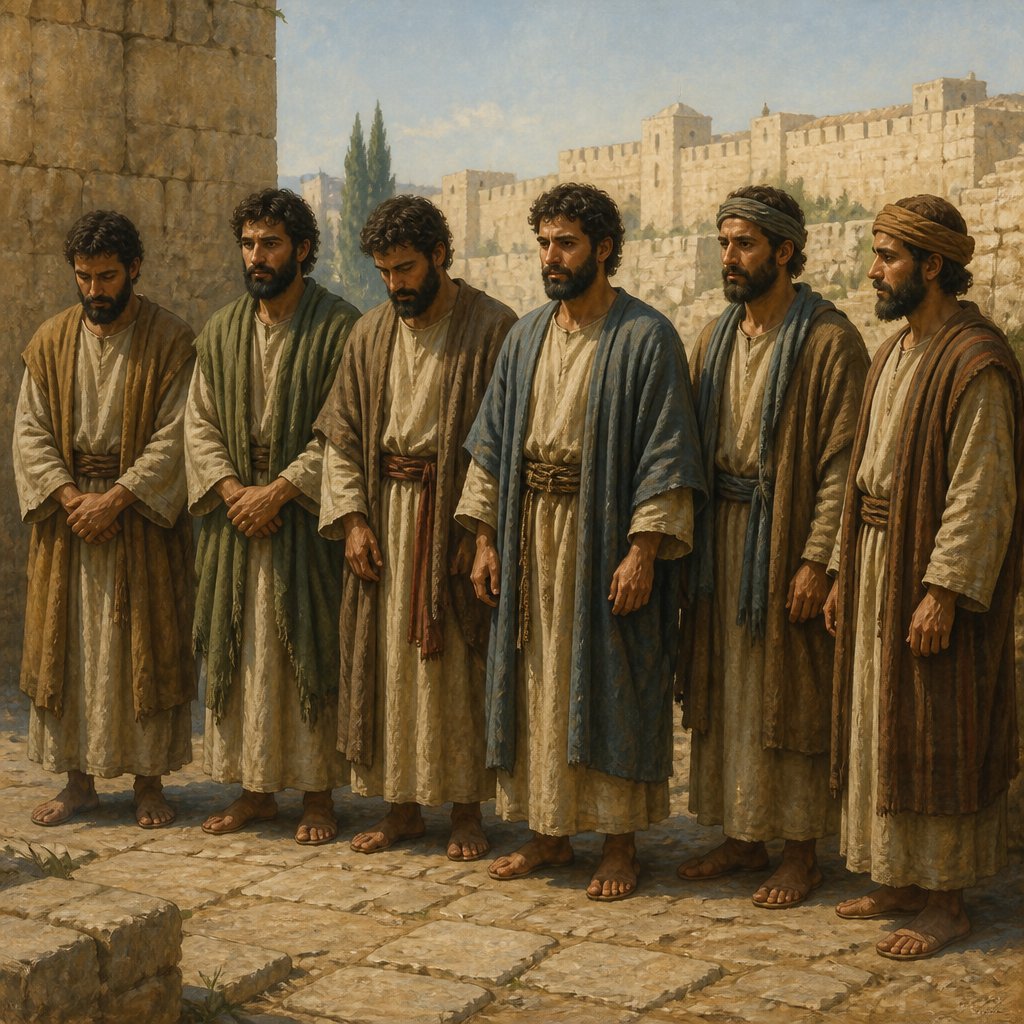
The verse from Ezra 10:29 reads, "And of the sons of Bani; Meshullam, Malluch, and Adaiah, Jashub, and Sheal, and Ramoth." At first glance, a list of names may seem monotonous and irrelevant, but the significance of such genealogies in the Bible cannot be understated. As we delve deeper into this verse and its context, we uncover valuable lessons about faith, community, and the legacy we leave behind.
Ezra, a priest and scribe, led a group of the exiled Israelites back to Jerusalem after their Babylonian captivity. The return was not just about restoring their physical presence in Jerusalem, but also about reviving their faith and recommitting to their covenant relationship with God. The lists of names found throughout the book of Ezra, especially in chapter 10, emphasize the importance of identity and heritage in the context of God’s people. Each name represents a man who, alongside others, stood up in a time of moral decay and took a stand to re-establish their faith and traditions that had been compromised.
These names—Meshullam, Malluch, Adaiah, Jashub, Sheal, and Ramoth—each bear witness to their roles in the community. They remind us that legacy is built not just on individual actions, but on collective commitments. Each son of Bani represents a unique storyline within the grand narrative of redemption. They symbolize families who became part of Israel's restoration and faithfulness to God. Their actions would contribute to the overarching story of God’s covenant people, which eventually culminates in the Messiah.
The act of naming each individual demonstrates the importance of recording and acknowledging the contributions of all members of the community. This is particularly important in today’s world where individuality and personal achievements are often emphasized over community and shared faith. Our spiritual journeys are rarely isolated. We are influenced by, and we influence, those around us. How many individuals in our lives—family members, friends, mentors—have played a role in shaping our faith?
Moreover, the names in Ezra's recounting signify more than mere identity; they are an invitation to reflection on the names we uphold in our own lives today. Whose stories do we pass down? When we think of our heritage in faith, we can trace back to spiritual forebears who laid a foundation for us to build upon. It encourages us to make sure that we are telling the right stories of faith to future generations—stories that speak of perseverance, steadfastness, and the unwavering love of God.
Naming, as seen in scripture, is powerful. It is a declaration of existence and a recognition of purpose. Each name signifies an individual called to a collective mission: to return to both the land and the covenant with God.
In reflecting on Ezra 10:29, we are challenged to consider the legacy we are crafting within our communities and families. As believers, we are called to be sowers of faith. What stories are we sharing? Are we pointing our family and friends towards God, to help them be part of His grand design? We must strive to create a culture where faith is discussed openly, values are upheld, and all members feel empowered to uphold their covenant with God.
Finally, as we ponder this lineage of names, let us remember that with our own lives, we are contributing to a larger story. Just as the sons of Bani were part of the restoration of Israel, our choices today reflect our commitment to honoring God’s work in our lives and the lives of those who will come after us. Let us labor diligently, not just for ourselves, but for the generations that follow, leaving behind a legacy steeped in faith, community, and the sacred stories of how God has worked in our midst.
Get our apps


Artwork for Ezra 10:29

Ezra 10:29 - "And of the sons of Bani; Meshullam, Malluch, and Adaiah, Jashub, and Sheal, and Ramoth."
"And of the sons of Bani; Meshullam, Malluch, and Adaiah, Jashub, and Sheal, and Ramoth." - Ezra 10:29

Ezra 2:29 - "The children of Nebo, fifty and two."

Ezra 10:10-12

Ezra 10:10 - "And Ezra the priest stood up, and said unto them, Ye have transgressed, and have taken strange wives, to increase the trespass of Israel."

Ezra 10:3

Ezra 3:10
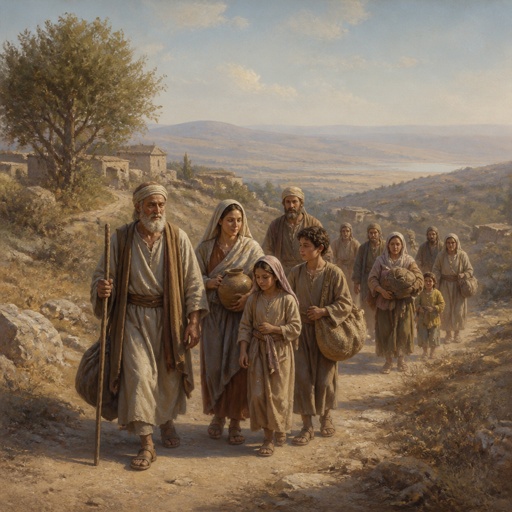
"The children of Nebo, fifty and two." - Ezra 2:29

Ezra 10:3

Ezra 10:5 - "Then arose Ezra, and made the chief priests, the Levites, and all Israel, to swear that they should do according to this word. And they sware."

Ezra 7:10 - "For Ezra had prepared his heart to seek the law of the LORD, and to do it, and to teach in Israel statutes and judgments."

Ezra 10:38 - "And Bani, and Binnui, Shimei,"

Ezra 10:37 - "Mattaniah, Mattenai, and Jaasau,"

Ezra 10:40 - "Machnadebai, Shashai, Sharai,"

Ezra 10:32 - "Benjamin, Malluch, and Shemariah."

Ezra 10:35 - "Benaiah, Bedeiah, Chelluh,"

Ezra 10:41 - "Azareel, and Shelemiah, Shemariah,"

Ezra 10:36 - "Vaniah, Meremoth, Eliashib,"

Ezra 10:42 - "Shallum, Amariah, and Joseph."

Ezra 10:39 - "And Shelemiah, and Nathan, and Adaiah,"

Ezra 10:20 - "And of the sons of Immer; Hanani, and Zebadiah."

Ezra 10:34 - "Of the sons of Bani; Maadai, Amram, and Uel,"

Ezra 2:10 - "The children of Bani, six hundred forty and two."

Ezra 10:24 - "Of the singers also; Eliashib: and of the porters; Shallum, and Telem, and Uri."

Ezra 10:21 - "And of the sons of Harim; Maaseiah, and Elijah, and Shemaiah, and Jehiel, and Uzziah."

Ezra 10:31 - "And of the sons of Harim; Eliezer, Ishijah, Malchiah, Shemaiah, Shimeon,"

Ezra 10:28 - "Of the sons also of Bebai; Jehohanan, Hananiah, Zabbai, and Athlai."

"Azareel, and Shelemiah, Shemariah," - Ezra 10:41

"And Bani, and Binnui, Shimei," - Ezra 10:38

"And Shelemiah, and Nathan, and Adaiah," - Ezra 10:39