A Call to Holiness: Lessons from Ezra 10:37
“Mattaniah, Mattenai, and Jaasau,” — Ezra 10:37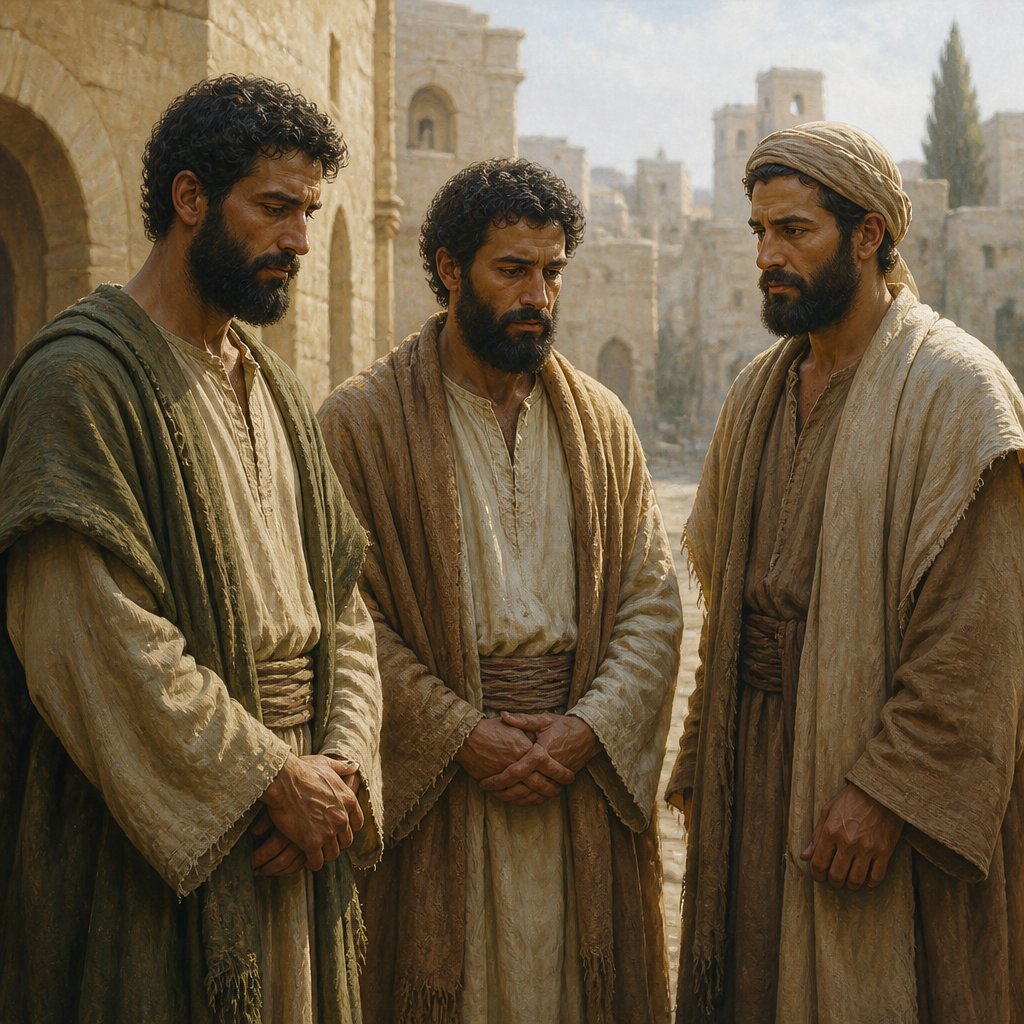
The verse Ezra 10:37 (KJV) states, "And Mattaniah, Mattenai, and Jaasau, of the sons of Levi, who were over the work of the house of God, had also taken strange wives." This poignant moment in the history of Israel encapsulates a pressing issue of fidelity, both in personal relationships and in the covenantal relationship with God.
To unpack the depth of this verse, we must consider the context of Ezra’s mission. After the Babylonian exile, Nehemiah and Ezra led a movement to restore Jerusalem. Ezra, a scribe and priest, was deeply concerned about the Jewish people marrying foreign women, which threatened the purity of the faith and the cultural identity of Israel. In the Old Testament, such unions often led to the worship of foreign gods and the erosion of Israel's commitment to Yahweh. This concern was not outdated—today’s believers face similar challenges in a world characterized by diverse beliefs and values.
### The Weight of Responsibilities
The individuals mentioned in the verse—Mattaniah, Mattenai, and Jaasau—are identified as Levitical figures engaged in the work of the house of God. Their role was significant; as Levites, they were entrusted with the sacred responsibilities of worship, teaching, and maintaining the temple. Thus, their choices carry immense implications not just for their personal lives but also for the spiritual health of the community. This serves as a critical reminder that responsible leadership involves both personal integrity and collective accountability—an essential principle for anyone engaged in ministry or community leadership.
### The Influence of Choices
As we delve deeper into the meaning of taking 'strange wives,' we should reflect on the implications of our choices in relationships. Are we surrounding ourselves with individuals who share our faith and values? The Bible consistently emphasizes the importance of marrying in faith—2 Corinthians 6:14 warns, "Be ye not unequally yoked together with unbelievers: for what fellowship hath righteousness with unrighteousness? and what communion hath light with darkness?" The essence of this principle rests in building bonds that solidify our spiritual foundations, encouraging mutual growth in faith, rather than leading us away from it.
### A Call to Repentance
Ezra’s narrative reveals a call to repentance and purification. Upon realizing the gravity of the situation, Ezra led the people in confession, recognizing that their disobedience resulted in a breach of their covenant with God. Today, the church is challenged to examine its own practices and purity. Are we compromising our beliefs for the sake of acceptance? It is vital to seek forgiveness for straying from God’s standards. The act of confessing and turning back to God is not merely a ritual; it is a hard posture of humility and desire for restoration.
### Commitment to Holiness
These historical figures remind modern believers of the importance of holiness—not as an unattainable ideal, but as a guided path towards a fruitful relationship with God. The call to holiness is a universal one, echoed in 1 Peter 1:16, where it says, "Be ye holy; for I am holy." It speaks to the need for believers to be set apart, not only for their personal lives but also for the testimony they bear to the world.
### Conclusion: Building a Legacy
In reflecting upon Ezra 10:37 and the characters within it, we are challenged to consider the legacy we desire to build through our choices today. Are our lives, relationships, and ministries reflective of God’s holiness? As we embrace God’s guidance, may we strive for intimacy with Him and choose the paths that anchor our souls in righteousness. Let us encourage one another in faithfulness, reminding ourselves that holiness is not just a personal endeavor; it is a collective call to walk in step with God’s purpose—a call that transcends generations.
Get our apps


Artwork for Ezra 10:37

Ezra 10:37 - "Mattaniah, Mattenai, and Jaasau,"

"Mattaniah, Mattenai, and Jaasau," - Ezra 10:37

Ezra 2:37 - "The children of Immer, a thousand fifty and two."

Ezra 10:10-12
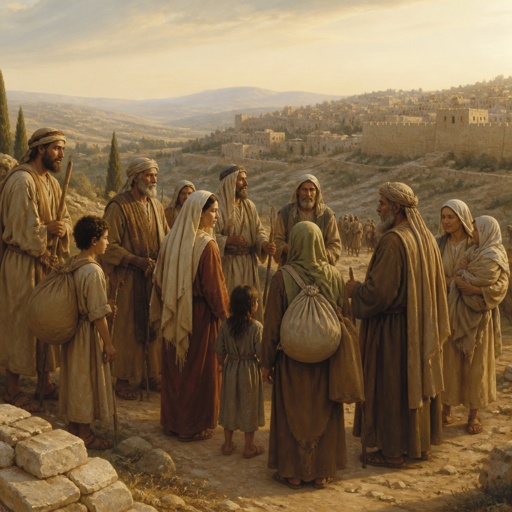
"The children of Immer, a thousand fifty and two." - Ezra 2:37

Ezra 10:10 - "And Ezra the priest stood up, and said unto them, Ye have transgressed, and have taken strange wives, to increase the trespass of Israel."

Ezra 10:3

Ezra 3:10

Ezra 10:3

Ezra 10:5 - "Then arose Ezra, and made the chief priests, the Levites, and all Israel, to swear that they should do according to this word. And they sware."

Ezra 7:10 - "For Ezra had prepared his heart to seek the law of the LORD, and to do it, and to teach in Israel statutes and judgments."

Ezra 10:38 - "And Bani, and Binnui, Shimei,"

Ezra 10:40 - "Machnadebai, Shashai, Sharai,"

Ezra 10:32 - "Benjamin, Malluch, and Shemariah."

Ezra 10:35 - "Benaiah, Bedeiah, Chelluh,"

Ezra 10:41 - "Azareel, and Shelemiah, Shemariah,"

Ezra 10:36 - "Vaniah, Meremoth, Eliashib,"

Ezra 10:42 - "Shallum, Amariah, and Joseph."

Ezra 10:39 - "And Shelemiah, and Nathan, and Adaiah,"

Ezra 10:20 - "And of the sons of Immer; Hanani, and Zebadiah."

Ezra 10:34 - "Of the sons of Bani; Maadai, Amram, and Uel,"

Ezra 2:10 - "The children of Bani, six hundred forty and two."

Ezra 10:24 - "Of the singers also; Eliashib: and of the porters; Shallum, and Telem, and Uri."

Ezra 10:21 - "And of the sons of Harim; Maaseiah, and Elijah, and Shemaiah, and Jehiel, and Uzziah."

Ezra 10:31 - "And of the sons of Harim; Eliezer, Ishijah, Malchiah, Shemaiah, Shimeon,"

Ezra 10:28 - "Of the sons also of Bebai; Jehohanan, Hananiah, Zabbai, and Athlai."

"Azareel, and Shelemiah, Shemariah," - Ezra 10:41

"And Bani, and Binnui, Shimei," - Ezra 10:38

"And Shelemiah, and Nathan, and Adaiah," - Ezra 10:39

"Vaniah, Meremoth, Eliashib," - Ezra 10:36