The Legacy of Kirjath-arim: A Call to Remember and Rebuild
“The children of Kirjath-arim, Chephirah, and Beeroth, seven hundred and forty and three.” — Ezra 2:25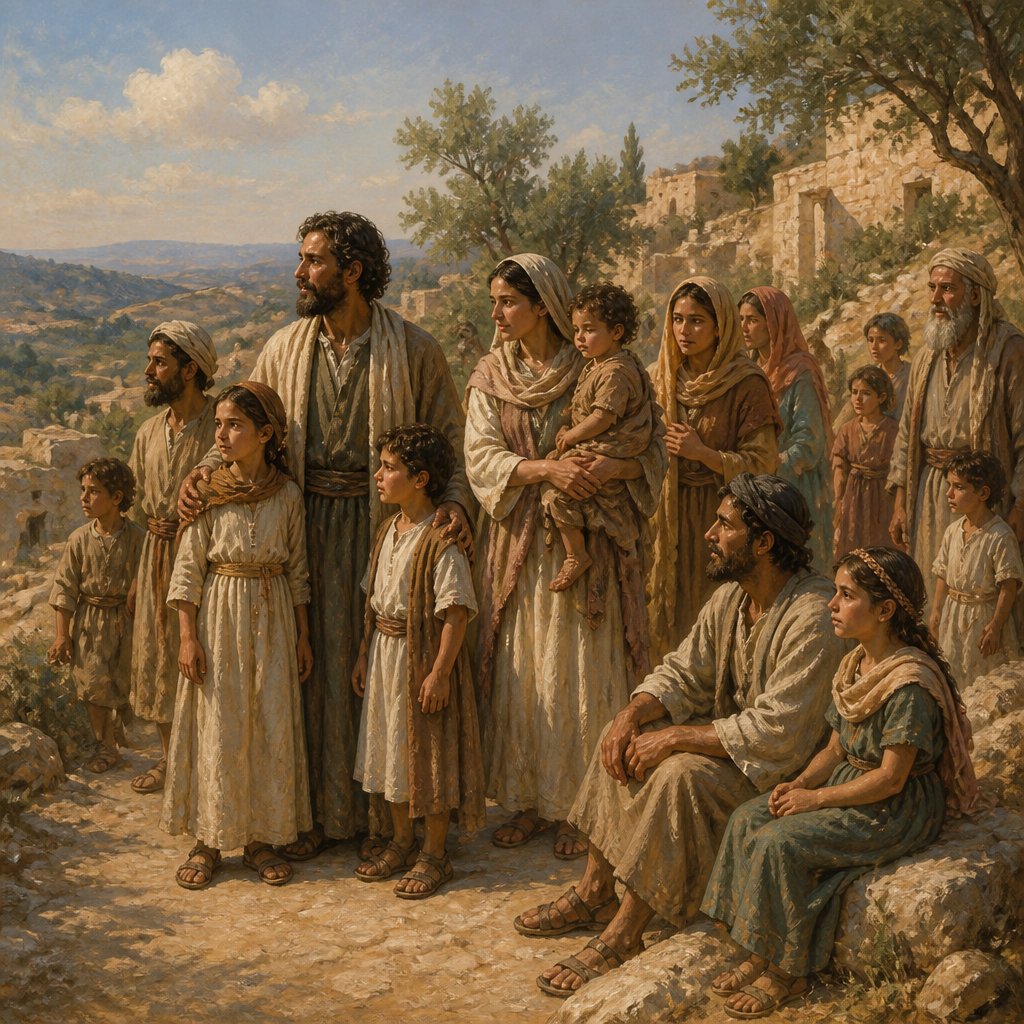
In the book of Ezra, we are presented with a detailed account of the return of the exiled Israelites to Jerusalem after decades of Babylonian captivity. Among the lists of families and their numbers, we find a specific mention of “The children of Kirjath-arim, Chephirah, and Beeroth, seven hundred and forty and three.” (Ezra 2:25 KJV). At first glance, this verse can appear to be merely a catalog of numbers and names, yet it holds profound significance for us today as we reflect on identity, community, and divine restoration.
Kirjath-arim, known as the city of forests or wooded city, stands as a symbol of refuge for those who returned from exile. The very name prompts us to consider our own dwelling places. Are our lives and spiritual walk rooted in a place of refuge, where we can find solace in God's presence? Today’s world can often feel like a wilderness, filled with uncertainties and chaos. In the same way that Kirjath-arim provided a physical space of protection, we are called to cultivate spiritual sanctuaries in our hearts and communities.
This verse also invites us to examine the names mentioned. Kirjath-arim, Chephirah, and Beeroth are not just geographical markers but also represent different segments of the Israelite population who were part of the returning remnant—a diverse group of people united by their desire to rebuild their homeland. God works through a myriad of individuals to accomplish His purposes. Each name on that list represents stories of struggle, loss, hope, and victory. Today, look around you and recognize the unique stories that make up your community. The body of Christ is incredibly rich and diverse, and each person contributes something vital to the Kingdom.
The number given—743 individuals—reminds us of the importance of participation in community. God doesn’t just call individuals; He calls groups. He invites His people to come together to accomplish His will. In an age where individuals often pursue personal agendas, we must still remember that our faith is lived out in the context of community. Whether at church, in small groups, or through local service, we must prioritize our involvement in the assembly of believers, just as those returning to Jerusalem did.
As we ponder the implications of Ezra 2:25, we should also be aware of the emotions that swept through those who returned. Imagine the anticipation as families prepared to leave behind the foreign land, filled with memories of sorrow and grief, and journey back toward their sacred city—their hearts swelled with hope for restoration and renewal. Yet, in this moment of hope, there inevitably lingered the weight of what it meant to rebuild, to reclaim, and to restore a lifetime of lost culture and identity. Are you experiencing the echo of this in your own life? Returning to God, healing past wounds, or courageously stepping into a new calling can feel daunting, yet it is within this tension that God’s faithfulness shines brightest.
Finally, let us consider the call to memory and action. As we reflect on the lives of the 743, we are reminded that true faith involves stepping out beyond comfort zones, putting our hands to the work of rebuilding that which has been lost. We are challenged to consider what restoration looks like in our own contexts: in our families, communities, or churches. God has equipped us with talents and resources to contribute to the edification of His Kingdom, much like those who returned to Jerusalem after generations in exile.
In conclusion, Ezra 2:25 may seem like a mere record of numbers and names, but it encapsulates a powerful message: God calls us out of exile into a community of healing and rebuilding. Let us embrace the legacy of Kirjath-arim, fostering a spirit of unity, remembering the stories of those before us, and taking action as we pave the way for future generations. May we actively participate in God’s redemptive work, becoming the living testimonies of His grace and faithfulness.
Get our apps


Artwork for Ezra 2:25

Ezra 2:25 - "The children of Kirjath-arim, Chephirah, and Beeroth, seven hundred and forty and three."
"The children of Kirjath-arim, Chephirah, and Beeroth, seven hundred and forty and three." - Ezra 2:25

Ezra 2:5 - "The children of Arah, seven hundred seventy and five."

"The children of Arah, seven hundred seventy and five." - Ezra 2:5

Ezra 10:25 - "Moreover of Israel: of the sons of Parosh; Ramiah, and Jeziah, and Malchiah, and Miamin, and Eleazar, and Malchijah, and Benaiah."

Ezra 7:25 - "And thou, Ezra, after the wisdom of thy God, that is in thine hand, set magistrates and judges, which may judge all the people that are beyond the river, all such as know the laws of thy God; and teach ye them that know them not."

Ezra 3:2

Ezra 3:2

Ezra 3:2

Ezra 3:2

Ezra 3:2

Ezra 9:1-2

Zerubbabel in Ezra chapter 2

Ezra 2:22 - "The men of Netophah, fifty and six."
Ezra 2:18 - "The children of Jorah, an hundred and twelve."

Ezra 2:54 - "The children of Neziah, the children of Hatipha."

Ezra 2:20 - "The children of Gibbar, ninety and five."

Ezra 2:24 - "The children of Azmaveth, forty and two."

Ezra 2:39 - "The children of Harim, a thousand and seventeen."

Ezra 9:1-2

Ezra 2:9 - "The children of Zaccai, seven hundred and threescore."

Ezra 2:27 - "The men of Michmas, an hundred twenty and two."

Ezra 2:29 - "The children of Nebo, fifty and two."

Ezra 8:25 - "And weighed unto them the silver, and the gold, and the vessels, even the offering of the house of our God, which the king, and his counsellors, and his lords, and all Israel there present, had offered:"

Ezra 2:56 - "The children of Jaalah, the children of Darkon, the children of Giddel,"

Ezra 2:11 - "The children of Bebai, six hundred twenty and three."

Ezra 2:53 - "The children of Barkos, the children of Sisera, the children of Thamah,"

Ezra 2:48 - "The children of Rezin, the children of Nekoda, the children of Gazzam,"

Ezra 2:15 - "The children of Adin, four hundred fifty and four."

Ezra 7:2 - "The son of Shallum, the son of Zadok, the son of Ahitub,"