Counting the Faithful: The Significance of Numbers in God's Plan
“The children of Magbish, an hundred fifty and six.” — Ezra 2:30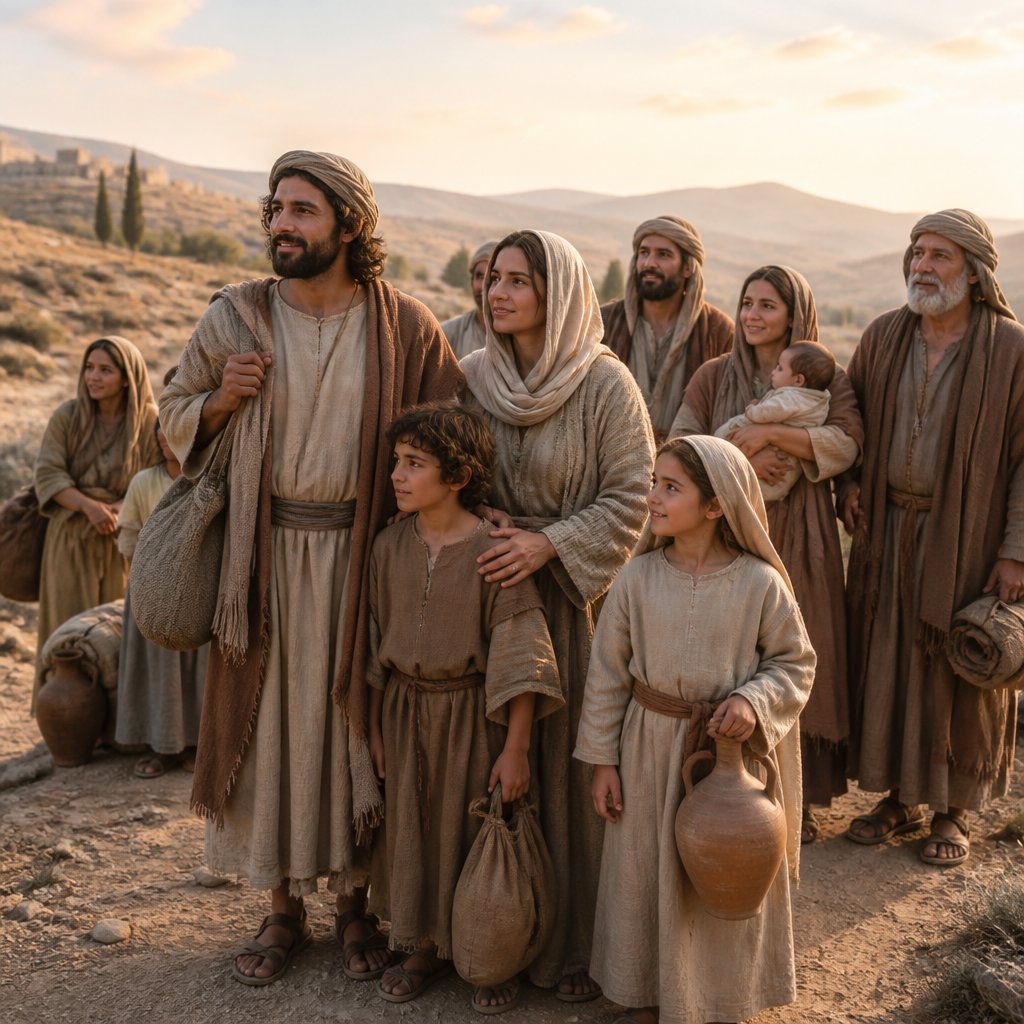
When we turn our gaze to the Book of Ezra, particularly to Ezra 2:30, we encounter a seemingly simple yet profound statement: "The children of Magbish, an hundred fifty and six." At first glance, this verse appears to belong to a list of names and numbers, seemingly trivial in the grand narrative of Scripture. However, as we delve deeper, we uncover significant spiritual insights about identity, community, and the faithfulness of God’s people.
The context of the verse places it amidst the return of the exiles to Jerusalem after years of captivity in Babylon. Ezra’s account is not merely a historical recount but a testament to God’s promise to restore His people. Each name, each number is a reflection of God’s unwavering commitment to the covenant He made with Israel. It’s essential to recognize that the returning exiles were not just numbers; they were the remnant—those chosen to return to their homeland and rebuild the Temple.
The mention of the "children of Magbish" holds significance beyond statistical data. The Israelites had a history defined by lineage, and family names were indicative of heritage and purpose. The name Magbish, likely referring to a town or clan, means more than just a geographical marker; it represents a group of people who stood firm in their identity amid trials. In a world where cultural identity can often be lost, the genealogy and the careful record-keeping in Ezra remind us of our roots.
As believers, we need to consider our own spiritual ancestry. Just as the children of Magbish were part of a larger narrative, we belong to the grand story of redemption through Christ. Each believer is a vital part of God’s family, intricately woven into His divine plan. In a culture that emphasizes individuality, we are reminded of the collective body of Christ. Paul teaches us in 1 Corinthians 12:12, "For as the body is one, and hath many members, and all the members of that one body, being many, are one body: so also is Christ." Like the children of Magbish, we are part of an important legacy, called to fulfill a unique purpose within the body of believers.
The specific figure "an hundred fifty and six" also calls us to reflect on the importance of faithfulness. Each number represents individuals with stories, sacrifices, and prayers. During their captivity, many of those who returned had likely lost loved ones and endured suffering. Yet their journey back to Jerusalem was marked by faith. In our spiritual lives, we too face challenges that test our resilience and trust in God. The return of the exiles reminds us that while our struggles may feel insurmountable at times, God is faithful to His promises. Each count of those returning represents lives authenticated by faith—a testament to generations that had prayed for deliverance.
Moreover, every number in Scripture can be a reflection of God's nature. In biblical numerology, the number 156 can be viewed as a combination of the numbers 1, 5, and 6. The number 1 represents unity—God’s oneness. The number 5 symbolizes grace, the grace that sustains us through our hardships. Finally, the number 6 often represents humanity and the frailty of our existence. Altogether, one hundred fifty-six can encourage us to remember that while we are unified by grace, we are also reminded of our human limitations, and yet, it is through our weaknesses that God’s glory shines the brightest.
In conclusion, Ezra 2:30 may seem like a mundane catalog of names and numbers, yet it offers profound lessons about identity, community, and God’s faithfulness. As we read God’s Word, let us remember that every detail counts, and every person matters in the eyes of the Lord. The children of Magbish were more than just numbers; they were a faithful remnant, a group dedicated to restoring their heritage and a vibrant testimony of God’s fulfilling promises. Let us strive to be counted among those who follow God’s call, embrace our identity in Christ, and recognize the beauty of belonging to a community that reflects His love.
Get our apps


Artwork for Ezra 2:30

Ezra 2:30 - "The children of Magbish, an hundred fifty and six."
"The children of Magbish, an hundred fifty and six." - Ezra 2:30

Ezra 10:30 - "And of the sons of Pahath-moab; Adna, and Chelal, Benaiah, Maaseiah, Mattaniah, Bezaleel, and Binnui, and Manasseh."

Ezra 8:30 - "So took the priests and the Levites the weight of the silver, and the gold, and the vessels, to bring them to Jerusalem unto the house of our God."

Ezra 3:2

Ezra 3:2

Ezra 3:2

Ezra 3:2

Ezra 3:2

Ezra 9:1-2

Zerubbabel in Ezra chapter 2

Ezra 2:22 - "The men of Netophah, fifty and six."
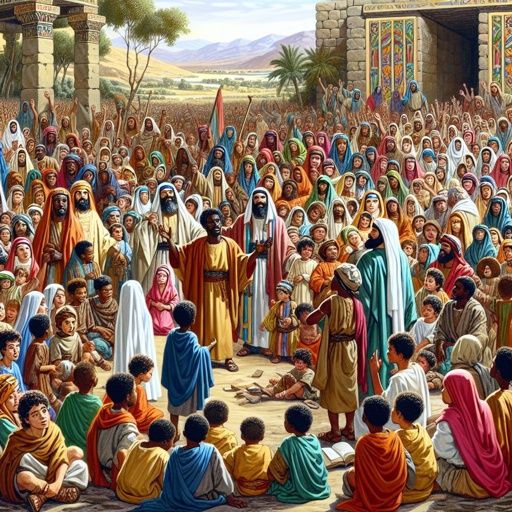
Ezra 2:18 - "The children of Jorah, an hundred and twelve."

Ezra 2:54 - "The children of Neziah, the children of Hatipha."

Ezra 2:20 - "The children of Gibbar, ninety and five."

Ezra 2:24 - "The children of Azmaveth, forty and two."

Ezra 2:39 - "The children of Harim, a thousand and seventeen."

Ezra 9:1-2

Ezra 2:9 - "The children of Zaccai, seven hundred and threescore."

Ezra 2:27 - "The men of Michmas, an hundred twenty and two."

Ezra 2:29 - "The children of Nebo, fifty and two."
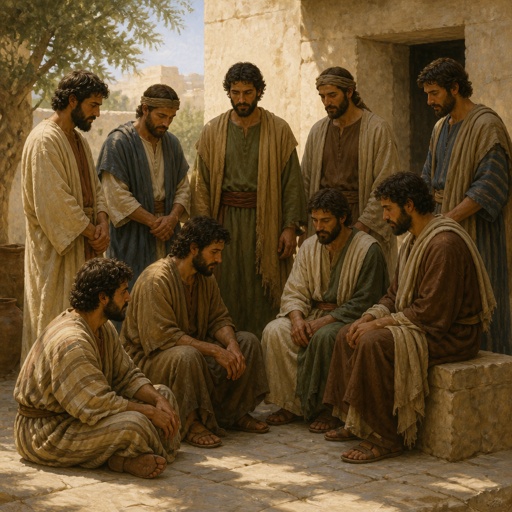
"And of the sons of Pahath-moab; Adna, and Chelal, Benaiah, Maaseiah, Mattaniah, Bezaleel, and Binnui, and Manasseh." - Ezra 10:30

Ezra 2:56 - "The children of Jaalah, the children of Darkon, the children of Giddel,"

Ezra 2:11 - "The children of Bebai, six hundred twenty and three."

Ezra 2:53 - "The children of Barkos, the children of Sisera, the children of Thamah,"

Ezra 2:45 - "The children of Lebanah, the children of Hagabah, the children of Akkub,"

Ezra 2:48 - "The children of Rezin, the children of Nekoda, the children of Gazzam,"

Ezra 2:15 - "The children of Adin, four hundred fifty and four."

Ezra 2:21 - "The children of Beth-lehem, an hundred twenty and three."

Ezra 2:51 - "The children of Bakbuk, the children of Hakupha, the children of Harhur,"