Finding Identity and Purpose in Our Heritage
“The children of Hagab, the children of Shalmai, the children of Hanan,” — Ezra 2:46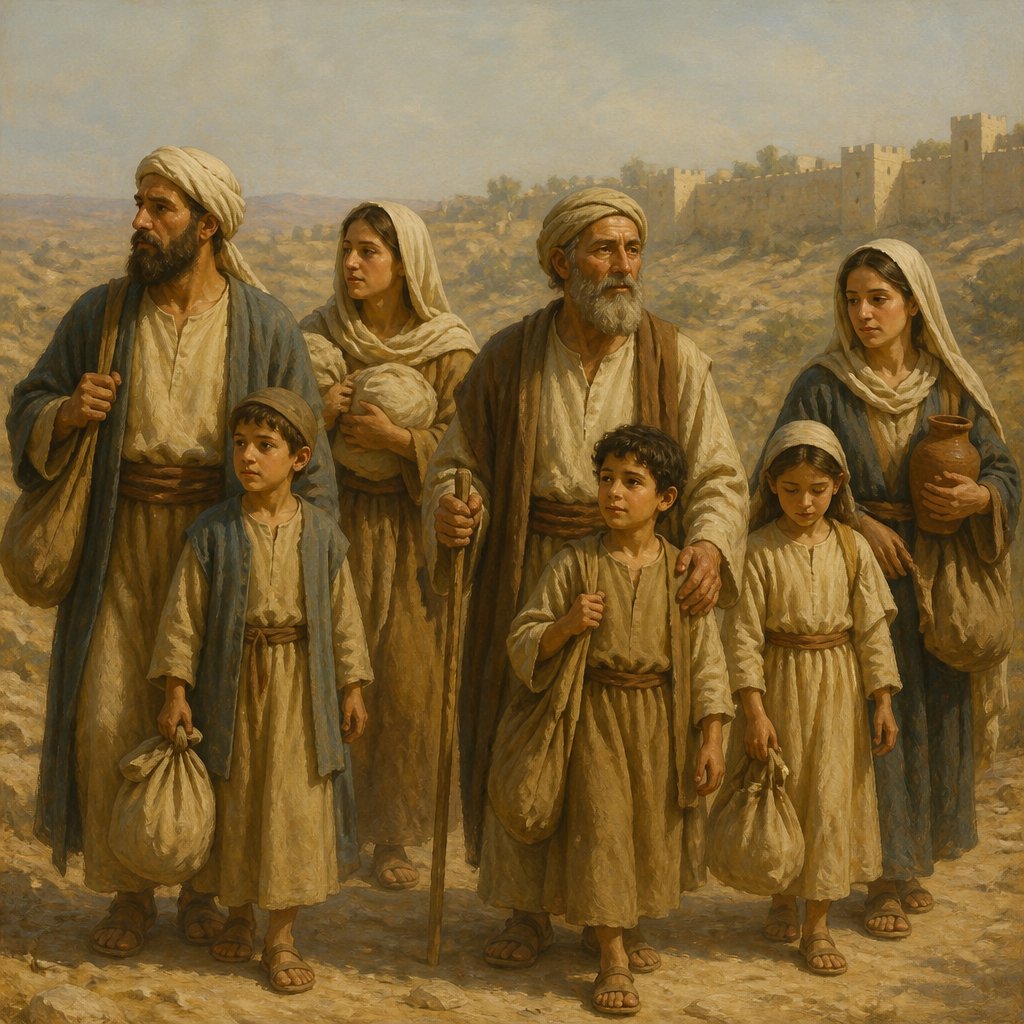
**Scripture Reference: Ezra 2:46**
"The children of Hagab, the children of Shalmai, the children of Hanan."
In the book of Ezra, we find a passage that may initially appear trivial, consisting of lists of names and lineage. Yet, nestled in verses such as Ezra 2:46 lies a profound opportunity for reflection and understanding regarding our identity, community, and purpose.
The children of Hagab, Shalmai, and Hanan are mentioned along with other families who contributed to the groups returning from Babylonian exile to Jerusalem. Their names—and their very presence—remind us that every individual matters. In these seemingly mundane genealogies, we see tangible evidence of God's faithfulness and the significance of each person in the grand tapestry of His plan.
**The Importance of Heritage**
When we consider our own heritage and lineage, we recognize that we belong to a larger story. Just as the returning exiles carried their family names back to Jerusalem, we are all part of a narrative that extends beyond ourselves. Our names—while they may have individual significance—also reflect the legacy of those who came before us. They embody the hopes, struggles, and faith of generations that have paved the way for our journeys.
Many of us may find ourselves disconnected from our roots, especially in today’s fast-paced world where cultural shifts often mean a departure from traditional values and customs. However, understanding our heritage can strengthen our sense of purpose and community. The names in Ezra 2:46 bear witness to a shared history and a collective return to God’s chosen land, establishing an identity founded on the experiences and spiritual legacies of their ancestors.
**Our Role in God’s Plan**
In recognizing the names in Ezra 2:46, we see that God has a place for everyone. Each family unit returning to Jerusalem represents unique contributions and communal strength. Similarly, within the body of Christ, Paul reminds us in 1 Corinthians 12:12 that we are all members of one body, distinct yet interconnected. Just as Hagab, Shalmai, and Hanan had roles within the restoration of Jerusalem, so do we have vital roles to fulfill in our communities and the wider Church.
No task is too small; no contribution is insignificant. When we serve with our gifts—be it teaching, caring for others, providing hospitality, or simply being present—we emulate those who returned and rebuilt their communities. It is essential to understand that God has equipped each of us with unique abilities for a purpose far greater than ourselves.
**Community and Support within God’s Family**
The Israelites’ return to Jerusalem was a collective effort, underscoring the importance of community. This community aspect is pivotal in our spiritual journeys as it reminds us that we do not walk alone. The shared experience and support among the Israelites emphasize how interdependence fosters strength and resilience. In our lives, we too must seek to support one another, love one another, and build each other up.
As believers, we embrace our unique identities while also blending our stories into the larger narrative of the Gospel. In the fabric of our community, we find strength, inspiration, and motivation to pursue our God-given purposes.
**Conclusion: Embracing Our Names in Christ**
Ultimately, Ezra 2:46 serves as a beautiful reminder that every one of us matters in God's grand design. We are known by name, just as the children of Hagab, Shalmai, and Hanan were. Recognizing our identity and heritage allows us to engage purposefully in our communities, remind ourselves of God’s incredible plan for humanity, and contribute to the furthering of His Kingdom.
So, as you reflect on this profound verse, ask yourself: "What has God equipped me to do? How can I embrace my identity and heritage to serve Him and others?" May we each find a sense of belonging within the family of God, living out our purpose with joy and intention.
Get our apps


Artwork for Ezra 2:46

Ezra 2:46 - "The children of Hagab, the children of Shalmai, the children of Hanan,"
"The children of Hagab, the children of Shalmai, the children of Hanan," - Ezra 2:46

Luk 2:46-49

Ezra 3:2

Ezra 3:2

Ezra 3:2

Ezra 3:2

Ezra 3:2

Ezra 9:1-2

Zerubbabel in Ezra chapter 2

Ezra 2:22 - "The men of Netophah, fifty and six."
Ezra 2:18 - "The children of Jorah, an hundred and twelve."

Ezra 2:54 - "The children of Neziah, the children of Hatipha."

Ezra 2:20 - "The children of Gibbar, ninety and five."

Ezra 2:24 - "The children of Azmaveth, forty and two."

Ezra 2:39 - "The children of Harim, a thousand and seventeen."

Ezra 9:1-2

Ezra 2:9 - "The children of Zaccai, seven hundred and threescore."

Ezra 2:27 - "The men of Michmas, an hundred twenty and two."

Ezra 2:29 - "The children of Nebo, fifty and two."

Ezra 2:56 - "The children of Jaalah, the children of Darkon, the children of Giddel,"

Ezra 2:11 - "The children of Bebai, six hundred twenty and three."

Ezra 2:53 - "The children of Barkos, the children of Sisera, the children of Thamah,"

Ezra 2:48 - "The children of Rezin, the children of Nekoda, the children of Gazzam,"

Ezra 2:15 - "The children of Adin, four hundred fifty and four."

Ezra 7:2 - "The son of Shallum, the son of Zadok, the son of Ahitub,"

Ezra 2:21 - "The children of Beth-lehem, an hundred twenty and three."

Ezra 2:45 - "The children of Lebanah, the children of Hagabah, the children of Akkub,"

Ezra 2:49 - "The children of Uzza, the children of Paseah, the children of Besai,"

Ezra 2:51 - "The children of Bakbuk, the children of Hakupha, the children of Harhur,"