The Names We Bear: A Reflection on Ezra 2:51
“The children of Bakbuk, the children of Hakupha, the children of Harhur,” — Ezra 2:51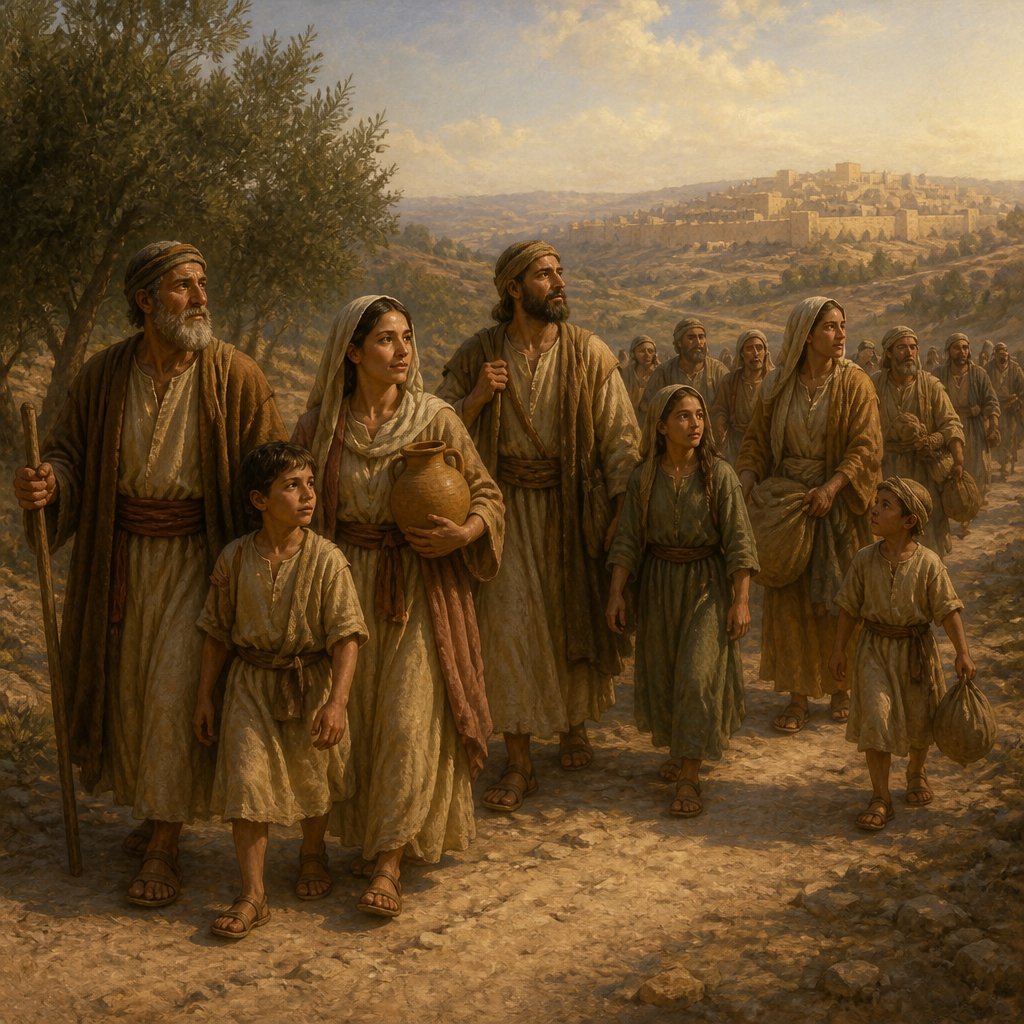
In the historical book of Ezra, chapter 2, we encounter a unique list that often feels like mere names strung together. Ezra 2:51 states, "The children of Bakbuk, the children of Hakupha, the children of Harhur." In today’s fast-paced and superficially connected world, these names may seem irrelevant and cumbersome. Yet, each name is a vital thread in the tapestry of Israel's return from exile and offers significant lessons about identity, purpose, and community.
When we examine these names within the context of the Israelite return to Jerusalem, we see more than just a genealogical record; we witness a narrative of restoration. The Israelites, having been in Babylonian captivity for seventy years, were finally permitted to return to their homeland. This moment was not merely about geographical relocation; it was about reclaiming their identity as God’s chosen people, solidifying their heritage, and strengthening their resolve to rebuild their lives and the Temple.
Each name in this list represents families and the continuity of faith through generations. Take Bakbuk, for instance, a name that in Hebrew can suggest a meaning tied to ‘bottling’ or ‘preservation.’ It evokes the image of God preserving His people despite their trials—a reminder that through all adversities, He has cared deeply for His chosen ones. Likewise, Hakupha, which could signify ‘a traveler,’ implies movement and the journey of faith. Indeed, every believer's journey is marked by movements of growth, struggles, and divine guidance. Harhur, on the other hand, might reflect a depth of intimacy with God—the closer we walk with Him, the more profound our experience becomes.
As we reflect on these names, we are reminded that they carry stories of individuals, families, and communities who were significant in their time. The act of naming is sacred in Scripture, frequently reflecting character, destiny, and divine purpose. What does that say about us as believers today? Our names carry weight in the kingdom of God. Whether spoken in the halls of our communities or whispered in the quiet moments of prayer, we each have a story rooted in the faithfulness of God.
Additionally, as we delve deeper, we recognize the significance of community in these verses. These families—the children of Bakbuk, Hakupha, and Harhur—represent collective effort and unity in a common cause: to restore worship in Jerusalem and revitalize their society after the Babylonian exile. It underscores that we do not walk this journey of faith alone. In Christ, we are part of a larger family, called to bear one another's burdens, support each other, and build up the body of Christ.
Moreover, when we come together, our past becomes part of a larger narrative. Even in our modern lives, perhaps we bear names that link us to a legacy of faith, service, hardship, or perseverance. Are we choosing to live up to those names? When we identify with our communities—our families, churches, and neighborhoods—we are reminded of our heritage and collective calling.
In today’s world, where anonymity often reigns, can we find reassurance in knowing the importance of our names and the imprint we leave in history? Just as Bakbuk, Hakupha, and Harhur played their parts in the tapestry of their time, we too have roles to play. God does not call us to achieve great things alone but to be part of something significant as His body. May we strive to honor our names, whatever they may mean, through living lives filled with integrity and faithfulness to God’s calling.
As we conclude, let us pray to recognize our own names in the narrative of God’s great story. May we receive comfort from knowing that we are part of something much larger than ourselves and, like the children of Bakbuk, Hakupha, and Harhur, may our lives reflect a journey of faith, hope, and community as we build His kingdom together.
Get our apps


Artwork for Ezra 2:51

Ezra 2:51 - "The children of Bakbuk, the children of Hakupha, the children of Harhur,"
"The children of Bakbuk, the children of Hakupha, the children of Harhur," - Ezra 2:51

Ezra 3:2

Ezra 3:2

Ezra 3:2

Ezra 3:2

Ezra 3:2

Ezra 9:1-2

Zerubbabel in Ezra chapter 2

Ezra 2:22 - "The men of Netophah, fifty and six."
Ezra 2:18 - "The children of Jorah, an hundred and twelve."

Ezra 2:54 - "The children of Neziah, the children of Hatipha."

Ezra 2:20 - "The children of Gibbar, ninety and five."

Ezra 2:24 - "The children of Azmaveth, forty and two."

Ezra 2:39 - "The children of Harim, a thousand and seventeen."

1 Chronicles 2:51 - "Salma the father of Beth-lehem, Hareph the father of Beth-gader."

Ezra 9:1-2

Ezra 2:9 - "The children of Zaccai, seven hundred and threescore."

Ezra 2:27 - "The men of Michmas, an hundred twenty and two."

Ezra 2:29 - "The children of Nebo, fifty and two."

Psalms 51:2 - "Wash me throughly from mine iniquity, and cleanse me from my sin."

Ezra 2:56 - "The children of Jaalah, the children of Darkon, the children of Giddel,"

Ezra 2:11 - "The children of Bebai, six hundred twenty and three."

Ezra 2:53 - "The children of Barkos, the children of Sisera, the children of Thamah,"

Ezra 2:48 - "The children of Rezin, the children of Nekoda, the children of Gazzam,"

Ezra 2:15 - "The children of Adin, four hundred fifty and four."

Ezra 7:2 - "The son of Shallum, the son of Zadok, the son of Ahitub,"

Ezra 2:21 - "The children of Beth-lehem, an hundred twenty and three."

Ezra 2:45 - "The children of Lebanah, the children of Hagabah, the children of Akkub,"

Ezra 2:49 - "The children of Uzza, the children of Paseah, the children of Besai,"