Restoration Through Lineage: A Call to Remember
“The children of Jaalah, the children of Darkon, the children of Giddel,” — Ezra 2:56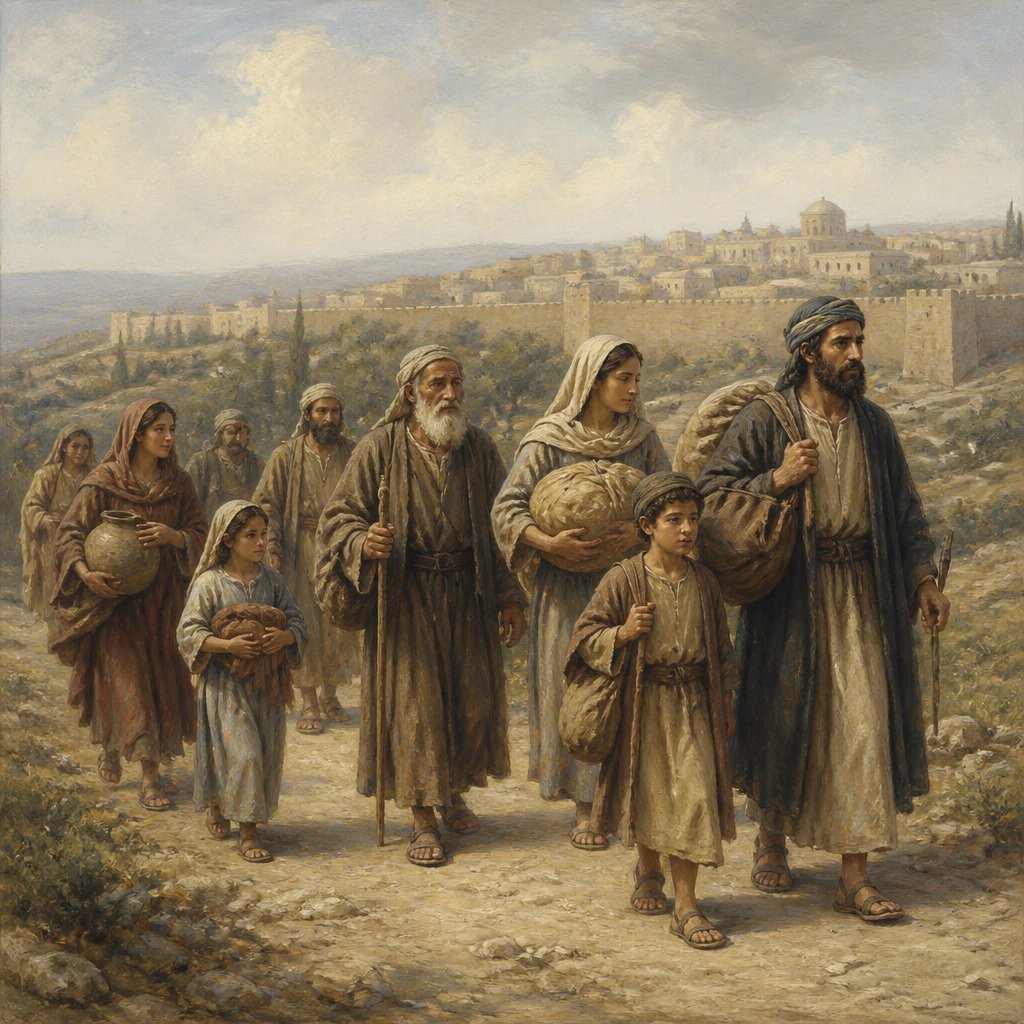
In the book of Ezra, we come across a verse that might seem mundane at first glance: "The children of Jaalah, the children of Darkon, the children of Giddel" (Ezra 2:56 KJV). This verse is part of a larger passage that records the genealogy of the exiled Israelites who returned to their homeland after years of captivity in Babylon. While it might be easy to skim over such lists of names, they carry profound significance, particularly as we reflect on the themes of identity, restoration, and the continuity of faith.
It is crucial to understand the context of this verse. The Israelites had endured a long period of exile because of their disobedience to God. Now, as they returned to Jerusalem, Ezra, the priest and scribe, meticulously documents the families that came back. Although the names mentioned here may not resonate with us today, each name represents a story, a legacy, and a promise from God. The children of Jaalah, Darkon, and Giddel were not just returning to a physical place; they were reclaiming their God-given identity as His chosen people.
In the Jewish tradition, genealogy is not merely about lineage; it reflects the covenant faithfulness of God. Each person listed had an essential role to play in the community's restoration and rebuilding. God had not forgotten His people, nor had He forgotten the commitments made to their ancestors. Each family, represented by these names, could trace their identity back to the promises made to Abraham, Isaac, and Jacob.
From our perspective, this invites a moment of reflection: how often do we overlook our spiritual heritage? In an age of rapid change and individualism, it is easy to lose sight of the communities and stories that shape us. Just as the Israelites returned to a place filled with history, we too are called to recognize and honor our spiritual lineage. Every prayer prayed by previous generations, every sacrifice made in faith, and every act of obedience contributes to the rich tapestry of our faith.
When we engage with our spiritual heritage, we realize that we are part of something much more extensive and more profound. The Church today is the continuation of that community established by Christ and sustained through the ages. We stand on the shoulders of giants—those men and women of faith who persevered, evangelized, and laid down their lives for the sake of the Gospel. We do not operate as isolated individuals but rather as members of a Body woven together by God’s divine craftsmanship.
Moreover, Just as the Israelites were returning to build up Jerusalem, rebuild the temple, and restore their worship, we too are part of a movement of restoration in our lives and communities. This call to restoration is not just physical but spiritual, emotional, and relational. We might not be rebuilding a temple, but we can build up our communities with love, service, and faithfulness. Each of us has a role to play, just as the children of Jaalah, Darkon, and Giddel had theirs.
In our daily lives, let us remember that God sees each one of us, recognizes our unique calling, and has plans for restoration in our lives. Let us reflect on who we are, where we come from, and how we fit into the Kingdom of God. Take time to pray, meditate, and seek God about your unique contribution to His Body. Each name in this genealogical list reminds us of the significance of every individual in God’s plan. You are here for a purpose, and your story matters.
In closing, consider the power of remembering. Just as the Israelites affirmed their identity and lineage through these names, we are called to embrace our history and commit ourselves to God’s mission. Let this verse inspire us not to underestimate our impact on the community of faith, as God continues to weave our stories into the beautiful narrative of His grace.
Get our apps


Artwork for Ezra 2:56

Ezra 2:56 - "The children of Jaalah, the children of Darkon, the children of Giddel,"
"The children of Jaalah, the children of Darkon, the children of Giddel," - Ezra 2:56

Ezra 3:2

Ezra 3:2

Ezra 3:2

Ezra 3:2

Ezra 3:2

Psalms 56:2 - "Mine enemies would daily swallow me up: for they be many that fight against me, O thou most High."

Ezra 9:1-2

Zerubbabel in Ezra chapter 2

Ezra 2:22 - "The men of Netophah, fifty and six."
Ezra 2:18 - "The children of Jorah, an hundred and twelve."

Ezra 2:54 - "The children of Neziah, the children of Hatipha."

Ezra 2:20 - "The children of Gibbar, ninety and five."

Ezra 2:24 - "The children of Azmaveth, forty and two."

Ezra 2:39 - "The children of Harim, a thousand and seventeen."

Ezra 9:1-2

Ezra 2:9 - "The children of Zaccai, seven hundred and threescore."

Ezra 2:27 - "The men of Michmas, an hundred twenty and two."

Ezra 2:29 - "The children of Nebo, fifty and two."

Isaiah 56:2 - "Blessed is the man that doeth this, and the son of man that layeth hold on it; that keepeth the sabbath from polluting it, and keepeth his hand from doing any evil."

Ezra 2:11 - "The children of Bebai, six hundred twenty and three."

Ezra 2:53 - "The children of Barkos, the children of Sisera, the children of Thamah,"

Ezra 2:45 - "The children of Lebanah, the children of Hagabah, the children of Akkub,"

Ezra 2:48 - "The children of Rezin, the children of Nekoda, the children of Gazzam,"

Ezra 2:15 - "The children of Adin, four hundred fifty and four."

Ezra 2:21 - "The children of Beth-lehem, an hundred twenty and three."

Ezra 2:51 - "The children of Bakbuk, the children of Hakupha, the children of Harhur,"

Ezra 2:49 - "The children of Uzza, the children of Paseah, the children of Besai,"

Ezra 7:2 - "The son of Shallum, the son of Zadok, the son of Ahitub,"