Counting the Lost and the Found: A Devotional on Ezra 2:60
“The children of Delaiah, the children of Tobiah, the children of Nekoda, six hundred fifty and two.” — Ezra 2:60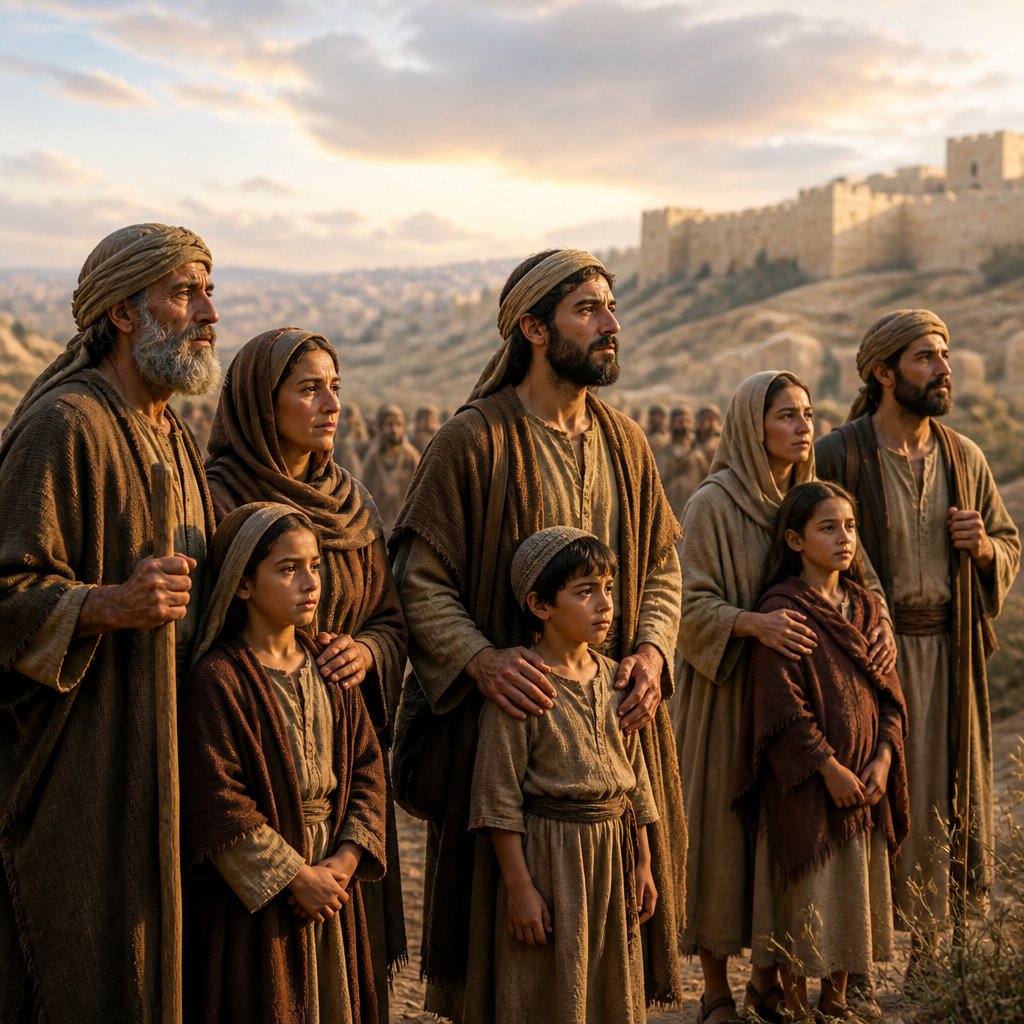
In the midst of the genealogies and lists that often populate the pages of scripture, it is easy to overlook vital truths hidden within the detail. Ezra 2:60 reveals a seemingly mundane count of inhabitants: "The children of Delaiah, the children of Tobiah, the children of Nekoda, six hundred fifty and two." Yet, in this collection of names and numbers, we find profound lessons about identity, community, and God’s unfolding purpose in history.
Ezra, historically a scribe and priest, is tasked with the monumental job of returning the exiled people of Israel to their homeland. However, the journey begins not with grand proclamations and miraculous signs, but with this meticulous enumeration of the people who were returning. What can we learn from this passage?
First, we must recognize the value of names in scripture. Every name listed has a story, a background, and a family connection. The children of Delaiah, Tobiah, and Nekoda are not just numbers; they represent real people who were lost and now found. They symbolize the restoration of a community that had been torn apart. Each name recalls the suffering of exile, the struggle for survival, and the hope of regathering. When we view these names in this light, we are reminded that God sees individuals—not just crowds. In our fast-paced world, it is easy to forget that each person we meet has a complex life shaped by trials, joys, and aspirations.
Furthermore, Ezra emphasizes the importance of community in God’s plan for redemption. The number “six hundred fifty and two” is striking—a substantial group united in purpose and faith while returning to their homeland. This number indicates that despite their years of exile, the community of Israel had preserved their identity and faith. They had not only retained their heritage but also their commitment to worship and serve the God who had called them back.
In reflection, we should ask ourselves: Who are the "children" within our communities? Who are we counting on in the Body of Christ? This verse acts as an invitation to acknowledge all members of our communities, not just the visible leaders or the outspoken advocates. It is a challenge to reach out to those who might feel lost, marginalized, or overlooked. Every person is essential to the whole, and their stories matter. We are called to be aware of our brothers and sisters around us, to share in their burdens, and to uplift the less celebrated members of our communities.
Another vital lesson from Ezra 2:60 is the significance of returning home. The return of these families symbolizes restoration and a fresh start—a return to worshiping God in the temple. For many, the journey back home symbolized a return to their roots, to their worship, and to their God. Spiritually, we are reminded that God calls us back from our wandering. He invites us to remember our first love and to return to the heart of worship, where our true identity as His children is discovered. This can mean a deeper commitment to personal devotional practices, a renewed focus on community worship, or a willingness to step away from worldly distractions that can so easily preach self-sufficiency.
In closing, as we meditate on the seemingly simple account in Ezra 2:60, we realize that every name carries weight, every count has significance, and every return reflects God's unfailing love and desire for restoration. Let us rejoice in our identities, as individuals and as a communal family of believers, committed to finding our way back to God and supporting one another in our spiritual journeys—one name, one number, one heart at a time.
Get our apps


Artwork for Ezra 2:60

Ezra 2:60 - "The children of Delaiah, the children of Tobiah, the children of Nekoda, six hundred fifty and two."
"The children of Delaiah, the children of Tobiah, the children of Nekoda, six hundred fifty and two." - Ezra 2:60

Psalms 60:2 - "Thou hast made the earth to tremble; thou hast broken it: heal the breaches thereof; for it shaketh."

Ezra 3:2

Ezra 3:2

Ezra 3:2

Ezra 3:2

Ezra 3:2

Ezra 9:1-2

Zerubbabel in Ezra chapter 2

Ezra 2:22 - "The men of Netophah, fifty and six."
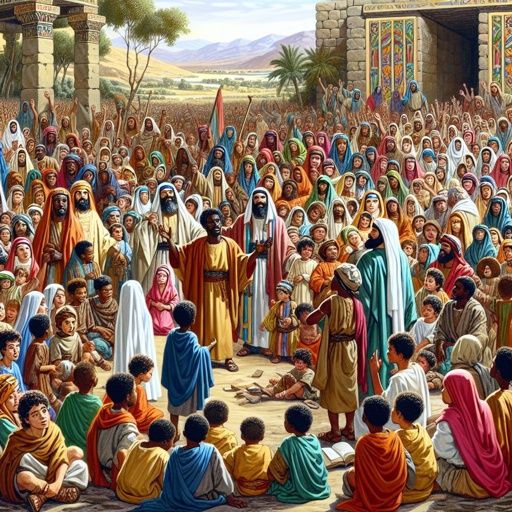
Ezra 2:18 - "The children of Jorah, an hundred and twelve."

Ezra 2:54 - "The children of Neziah, the children of Hatipha."

Ezra 2:20 - "The children of Gibbar, ninety and five."

Ezra 2:24 - "The children of Azmaveth, forty and two."

Ezra 2:39 - "The children of Harim, a thousand and seventeen."

Ezra 9:1-2

Ezra 2:9 - "The children of Zaccai, seven hundred and threescore."

Ezra 2:27 - "The men of Michmas, an hundred twenty and two."

Ezra 2:29 - "The children of Nebo, fifty and two."

Ezra 2:56 - "The children of Jaalah, the children of Darkon, the children of Giddel,"

Ezra 2:11 - "The children of Bebai, six hundred twenty and three."

Ezra 2:53 - "The children of Barkos, the children of Sisera, the children of Thamah,"

Ezra 2:48 - "The children of Rezin, the children of Nekoda, the children of Gazzam,"

Ezra 2:15 - "The children of Adin, four hundred fifty and four."

Ezra 7:2 - "The son of Shallum, the son of Zadok, the son of Ahitub,"

Ezra 2:21 - "The children of Beth-lehem, an hundred twenty and three."

Ezra 2:45 - "The children of Lebanah, the children of Hagabah, the children of Akkub,"

Ezra 2:49 - "The children of Uzza, the children of Paseah, the children of Besai,"

Ezra 2:51 - "The children of Bakbuk, the children of Hakupha, the children of Harhur,"