Building the House of God: A Call to Perseverance
“But Zerubbabel, and Jeshua, and the rest of the chief of the fathers of Israel, said unto them, Ye have nothing to do with us to build an house unto our God; but we ourselves together will build unto the LORD God of Israel, as king Cyrus the king of Persia hath commanded us.” — Ezra 4:3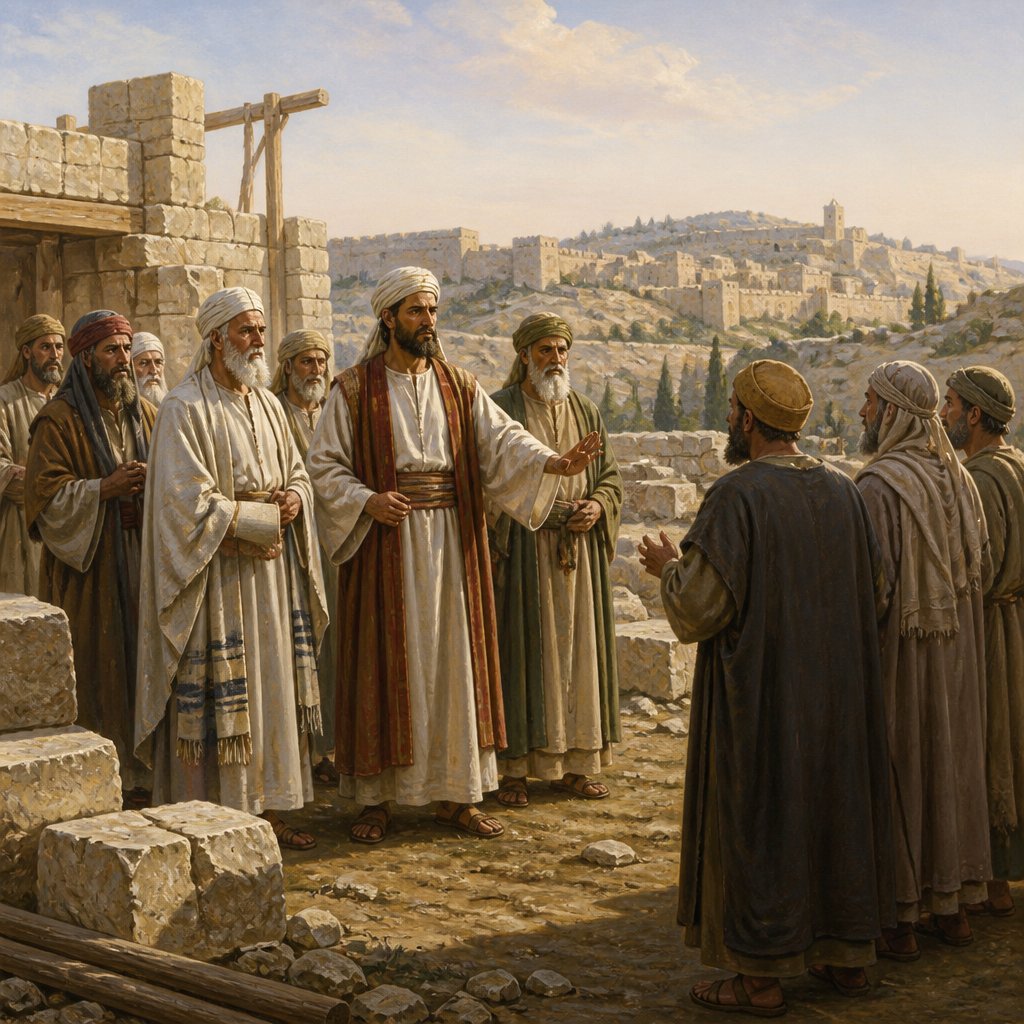
The verse from Ezra 4:3 resonates with a profound declaration of faith and commitment: "But Zerubbabel, and Jeshua, and the rest of the chief of the fathers of Israel, said unto them, Ye have nothing to do with us to build an house unto our God; but we ourselves together will build unto the LORD God of Israel, as king Cyrus the king of Persia hath commanded us." In this powerful moment during the return from exile, we see the steadfast resolve of God’s people to rise and rebuild, amidst opposition and temptation to compromise.
Zerubbabel and Jeshua were critical leaders for the returning exiles, each holding a significant role in both spiritual and civic matters. Their decision to reject the offers of assistance from neighboring peoples was not made lightly; it was rooted in a deep understanding of their mission and a commitment to the purity of their dedication to the Lord. This verse challenges us today to consider how we are building our own spiritual lives, communities, and contributions to the Kingdom of God. The returnees understood that the act of building God's house was not just a physical endeavor; it was an essential part of their identity as God’s chosen people.
### The Nature of Opposition
When Zerubbabel and Jeshua spoke against accepting help, they highlighted a crucial principle of spiritual building: not everyone who offers help has the same vision or purpose. The people of Israel were committed to honoring God's covenant and building a temple that was dedicated solely to Him. By denying assistance, they asserted that the project was a sacred responsibility, not merely a construction job. This encounter represents the reality of spiritual opposition and how it can lead to both clarity of mission and increased resolve.
In our lives, we may also encounter situations where the motivations of others are not aligned with God's purpose. It could be in our workplaces, in ministry settings, or within our families. We are often approached with seemingly good intentions that diverge from God's plan for us. Let us remember Zerubbabel and Jeshua's response; they were unwavering in their commitment to God’s specific call, and we too are called to discern and stand firm against influences that detract from our God-given mission.
### Building Together
The phrase "but we ourselves together will build unto the LORD God of Israel" emphasizes the communal aspect of building God's house. It is a beautiful illustration of unity in purpose. Zerubbabel and Jeshua, along with the other chief leaders, were not acting as isolated individuals but as a collective whole, recognizing that they had a shared responsibility and calling. In the Christian faith, we are often reminded that we are the body of Christ, and each one of us plays a role in building up the church, the temple not made with hands but built from the living stones of believers.
The work of building God’s house requires our collective strength, effort, and unity. In a world that often promotes individualism, this verse serves as a powerful reminder that we are called to work together. It begs the question: Who are you building with? Are you surrounding yourself with others who share the same dedication to glorifying God? Just as Zerubbabel and Jeshua relied on their community, we too should engage our local church and fellow believers in fulfilling God’s work in our lives.
### A Command to Rebuild
Finally, the mention of King Cyrus reminds us that God often uses unexpected vessels to accomplish His purposes. Despite the interruption from adversaries, God's command through Cyrus is a reminder of His sovereignty and assurance that His plans will prevail. When we feel challenged or discouraged, we remember that God is sovereign, and He has set us on a path of purpose and construction. The invitation to rebuild is not just a task; it is a divine calling to restore, heal, and bring glory to God.
Let us adopt the spirit of Zerubbabel and Jeshua as we endeavor to build our lives, families, and communities on strong foundations of faith. As we reflect today, ask yourself: What is God prompting me to build? Who am I partnering with in this mission? And how can I ensure that all I do is unto the Lord? Like those early returning exiles, let us affirm our commitment and act devotedly towards the house of God.
Get our apps


Artwork for Ezra 4:3

Ezra 4:3 - "But Zerubbabel, and Jeshua, and the rest of the chief of the fathers of Israel, said unto them, Ye have nothing to do with us to build an house unto our God; but we ourselves together will build unto the LORD God of Israel, as king Cyrus the king of Persia hath commanded us."
"But Zerubbabel, and Jeshua, and the rest of the chief of the fathers of Israel, said unto them, Ye have nothing to do with us to build an house unto our God; but we ourselves together will build unto the LORD God of Israel, as king Cyrus the king of Persia hath commanded us." - Ezra 4:3

Ezra 3:4 - "¶ They kept also the feast of tabernacles, as it is written, and offered the daily burnt offerings by number, according to the custom, as the duty of every day required;"

Ezra 4:4

Ezra 4:4

Ezra 3:2

Ezra 10:3

Ezra 3:2

Ezra 3:10

Ezra 3:9

Ezra 3:2

Ezra 9:3

Ezra 3:2

Ezra 3:2

Ezra 10:3

Zerubbabel in Ezra chapter 4

Zerubbabel in Ezra chapter 4

Zerubbabel in Ezra chapter 3

Ezra 4:4 - "Then the people of the land weakened the hands of the people of Judah, and troubled them in building,"

Altar rebuilt in Jerusalem. Ezra 3:1-3

Letter to the king in Ezra chapter 4

Ezra 7:4 - "The son of Zerahiah, the son of Uzzi, the son of Bukki,"

Ezra 7:3 - "The son of Amariah, the son of Azariah, the son of Meraioth,"

Ezra 2:4 - "The children of Shephatiah, three hundred seventy and two."

Ezra 2:3 - "The children of Parosh, two thousand an hundred seventy and two."

Pagan women leave with their children ezra 10:3

Ezra 8:4 - "Of the sons of Pahath-moab; Elihoenai the son of Zerahiah, and with him two hundred males."
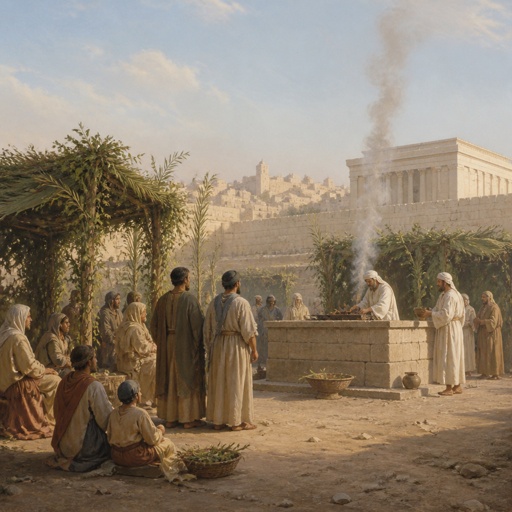
"¶ They kept also the feast of tabernacles, as it is written, and offered the daily burnt offerings by number, according to the custom, as the duty of every day required;" - Ezra 3:4

Pagan women leave with their children ezra 10:3

Ezra 4:22 - "Take heed now that ye fail not to do this: why should damage grow to the hurt of the kings?"