Weighing the Offerings: A Lesson in Stewardship and Accountability
“Now on the fourth day was the silver and the gold and the vessels weighed in the house of our God by the hand of Meremoth the son of Uriah the priest; and with him was Eleazar the son of Phinehas; and with them was Jozabad the son of Jeshua, and Noadiah the son of Binnui, Levites;” — Ezra 8:33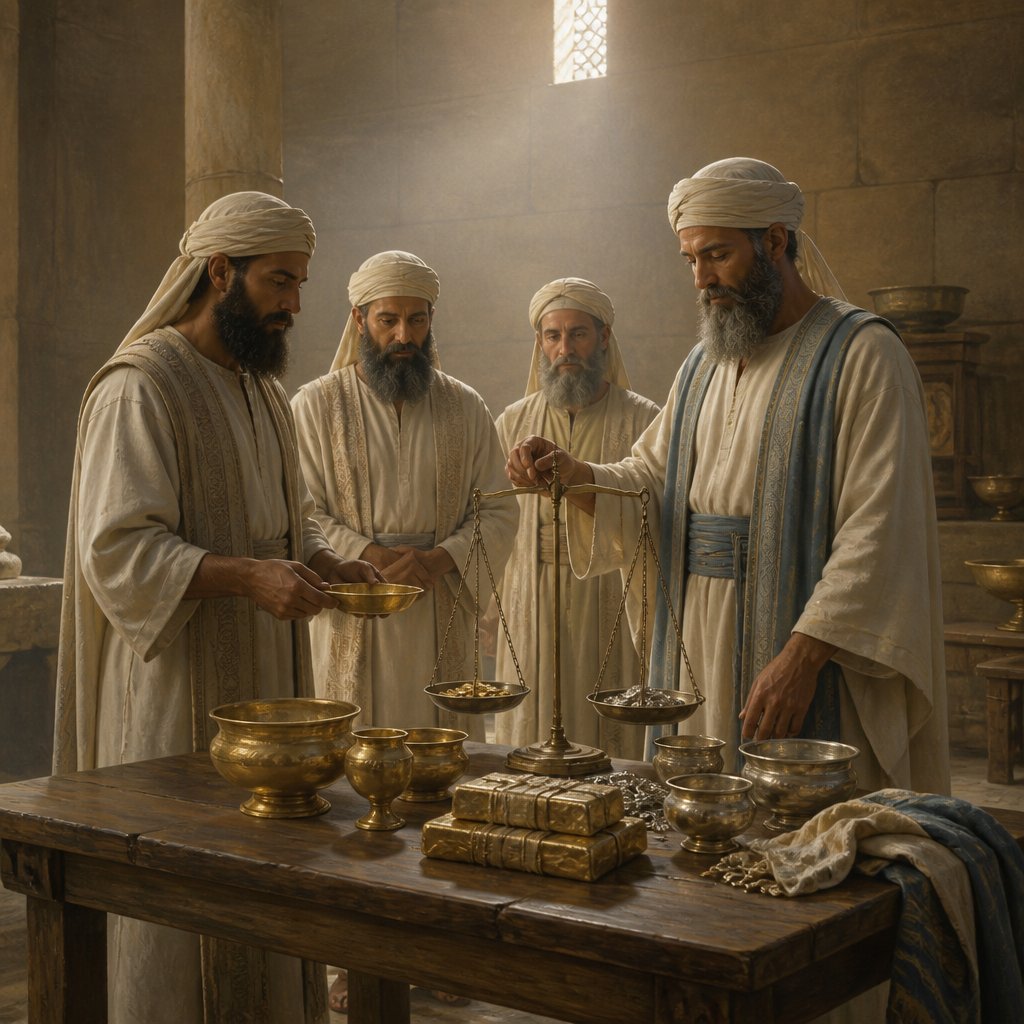
In the journey of faith, moments of accountability stand out as critical touchpoints that shape our understanding of stewardship and service to God. As we look at Ezra 8:33, we find a significant event where the treasures brought back for the house of God were weighed: "Now on the fourth day was the silver and the gold and the vessels weighed in the house of our God by the hand of Meremoth the son of Uriah the priest; and with him was Eleazar the son of Phinehas; and with them was Jozabad the son of Jeshua, and Noadiah the son of Binnui, Levites." (KJV)
This passage reveals several key elements about the nature of our offerings and the importance of accountability in our faith journey. First, we notice that this weighing occurred on the fourth day, a specific day set aside in the journey of Ezra and the exiles returning to Jerusalem. Every detail in our worship and service to God is intentional, reminding us that our relationship with God demands order, attention, and reverence.
The act of weighing the silver and gold signifies something greater than mere numbers. It illustrates accuracy in God's house; each contribution was counted, and there was a deliberate effort to ensure the integrity of what had been given. God desires that we approach our giving, our service, and our stewardship with the utmost sincerity and transparency. Are we weighing our contributions not just in terms of financial gifts, but in service, time, and prayer? In what ways are we ensuring that we are being responsible stewards of what God has entrusted to us?
The characters involved in this process—Meremoth, Eleazar, Jozabad, and Noadiah—represent different aspects of leadership and accountability within the community. Meremoth, the priest, signifies a direct connection to the worship and ritual of the temple service. With such an important role, he is responsible for ensuring that the offerings dedicated to God are treated with respect and sanctity. Likewise, Eleazar, the son of Phinehas, is from a distinguished lineage of priests, suggesting a continuous tradition of leadership that upholds the worship of Yahweh as sacred. Their participation serves as a reminder that spiritual leadership involves not only guidance and teaching but also accountability in handling what is sacred.
The Levites, here represented by Jozabad and Noadiah, played a critical role in this process, signifying that all members of the community are involved in the stewardship of what God provides. The inclusivity in this undertaking teaches us that stewardship is a communal activity; it is not limited to just the leaders, but extends to every individual in the faith community. Each one of us has a role to play in the maintenance and administration of God’s gifts, whether it is through our talents, resources, or time.
In our modern context, this passage prompts us to reflect on how we manage the resources God has given us. Are we measuring our contributions to God’s work? Are we ensuring that what we give, be it our time, talents, or treasures, is done with a heart aligned with His will? Furthermore, accountability is not merely about ensuring that others follow protocols or lead with integrity; it is about self-examination and the attitudes we bring to our giving.
Moreover, recognizing the weight of our offerings leads us to a profound understanding of what God expects of us. It is not the amount or the visibility that matters most, but the heart behind the offering. As Jesus taught in Mark 12:41-44, it was the widow's two mites that captured His attention—not the large sums given by the wealthy.
In closing, let us approach the throne of grace with awareness of our responsibilities. Let us weigh our offerings before God, ensuring that they are given with faith, integrity, and a heart full of love. May we, like the leaders in Ezra's time, take our roles as stewards seriously, recognizing that in doing so, we honor God and contribute meaningfully to the work He is accomplishing in our midst.
Get our apps


Artwork for Ezra 8:33

Ezra 8:33 - "¶ Now on the fourth day was the silver and the gold and the vessels weighed in the house of our God by the hand of Meremoth the son of Uriah the priest; and with him was Eleazar the son of Phinehas; and with them was Jozabad the son of Jeshua, and Noadiah the son of Binnui, Levites;"
"¶ Now on the fourth day was the silver and the gold and the vessels weighed in the house of our God by the hand of Meremoth the son of Uriah the priest; and with him was Eleazar the son of Phinehas; and with them was Jozabad the son of Jeshua, and Noadiah the son of Binnui, Levites;" - Ezra 8:33

Nehemiah 12:33 - "And Azariah, Ezra, and Meshullam,"

"And Azariah, Ezra, and Meshullam," - Nehemiah 12:33
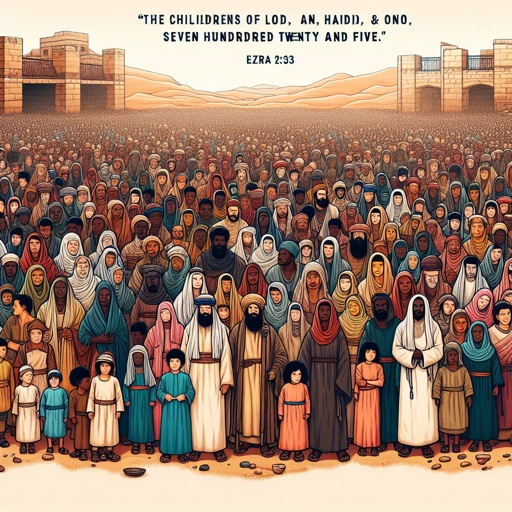
Ezra 2:33 - "The children of Lod, Hadid, and Ono, seven hundred twenty and five."

Ezra 10:33 - "Of the sons of Hashum; Mattenai, Mattathah, Zabad, Eliphelet, Jeremai, Manasseh, and Shimei."

Ezra 8:21

Ezra 8:8 - "And of the sons of Shephatiah; Zebadiah the son of Michael, and with him fourscore males."
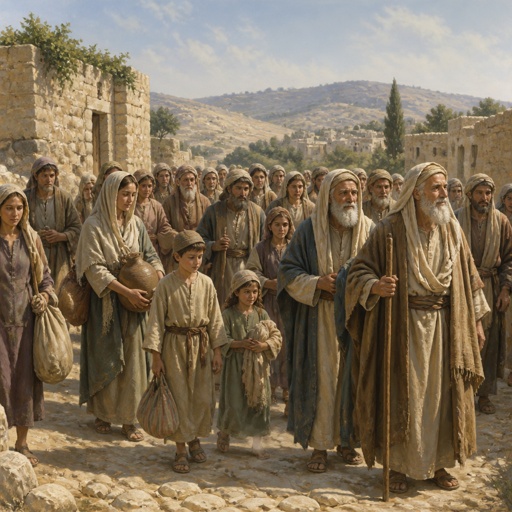
"The children of Lod, Hadid, and Ono, seven hundred twenty and five." - Ezra 2:33

Ezra 8:32 - "And we came to Jerusalem, and abode there three days."

Ezra 2:8 - "The children of Zattu, nine hundred forty and five."
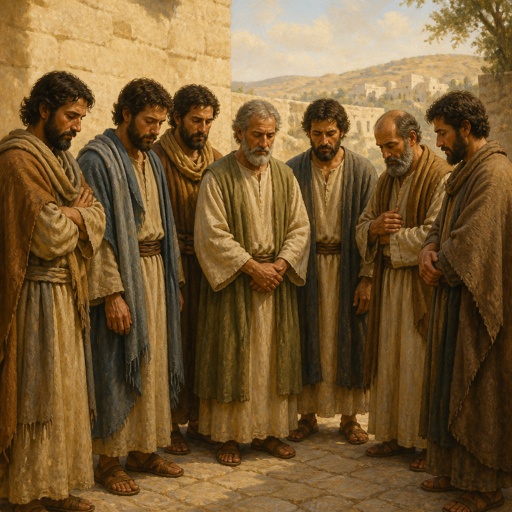
"Of the sons of Hashum; Mattenai, Mattathah, Zabad, Eliphelet, Jeremai, Manasseh, and Shimei." - Ezra 10:33
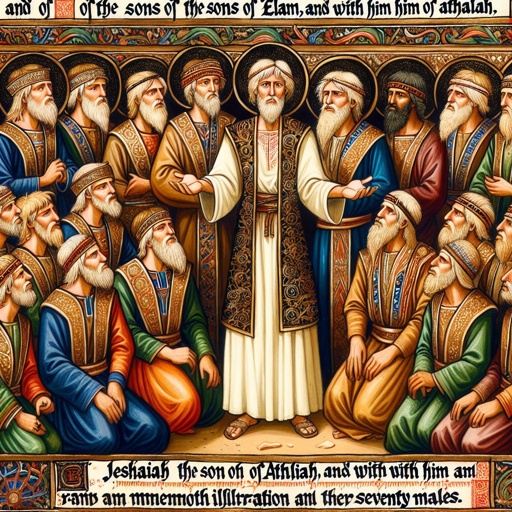
Ezra 8:7 - "And of the sons of Elam; Jeshaiah the son of Athaliah, and with him seventy males."

Ezra 8:10 - "And of the sons of Shelomith; the son of Josiphiah, and with him an hundred and threescore males."
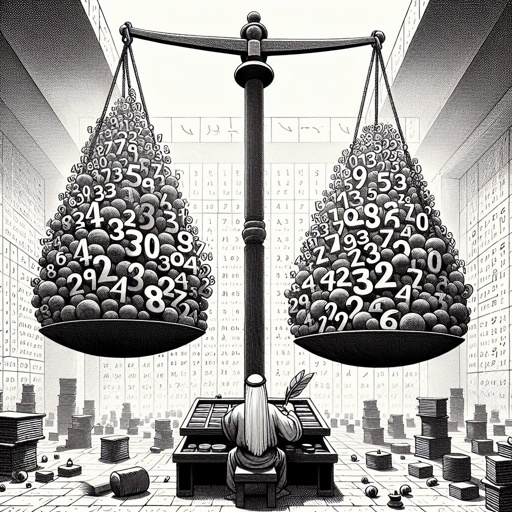
Ezra 8:34 - "By number and by weight of every one: and all the weight was written at that time."

Ezra 8:14 - "Of the sons also of Bigvai; Uthai, and Zabbud, and with them seventy males."

Ezra 8:5 - "Of the sons of Shechaniah; the son of Jahaziel, and with him three hundred males."

Acts 8:33

Ezra 7:8 - "And he came to Jerusalem in the fifth month, which was in the seventh year of the king."

Ezra 8:12 - "And of the sons of Azgad; Johanan the son of Hakkatan, and with him an hundred and ten males."

Ezra 8:6 - "Of the sons also of Adin; Ebed the son of Jonathan, and with him fifty males."

Ezra 8:19 - "And Hashabiah, and with him Jeshaiah of the sons of Merari, his brethren and their sons, twenty;"

Ezra 8:23 - "So we fasted and besought our God for this: and he was intreated of us."

Ezra 8:11 - "And of the sons of Bebai; Zechariah the son of Bebai, and with him twenty and eight males."

Ezra 8:2 - "Of the sons of Phinehas; Gershom: of the sons of Ithamar; Daniel: of the sons of David; Hattush."

Ezra 8:4 - "Of the sons of Pahath-moab; Elihoenai the son of Zerahiah, and with him two hundred males."

"And of the sons of Shephatiah; Zebadiah the son of Michael, and with him fourscore males." - Ezra 8:8

Ezra 8:9 - "Of the sons of Joab; Obadiah the son of Jehiel, and with him two hundred and eighteen males."

Ezra 8:24 - "¶ Then I separated twelve of the chief of the priests, Sherebiah, Hashabiah, and ten of their brethren with them,"

Ezra 8:13 - "And of the last sons of Adonikam, whose names are these, Eliphelet, Jeiel, and Shemaiah, and with them threescore males."