The Legacy of Noah: Generations of Promise and Purpose
"Now these are the generations of the sons of Noah, Shem, Ham, and Japheth: and unto them were sons born after the flood." - Genesis 10:1
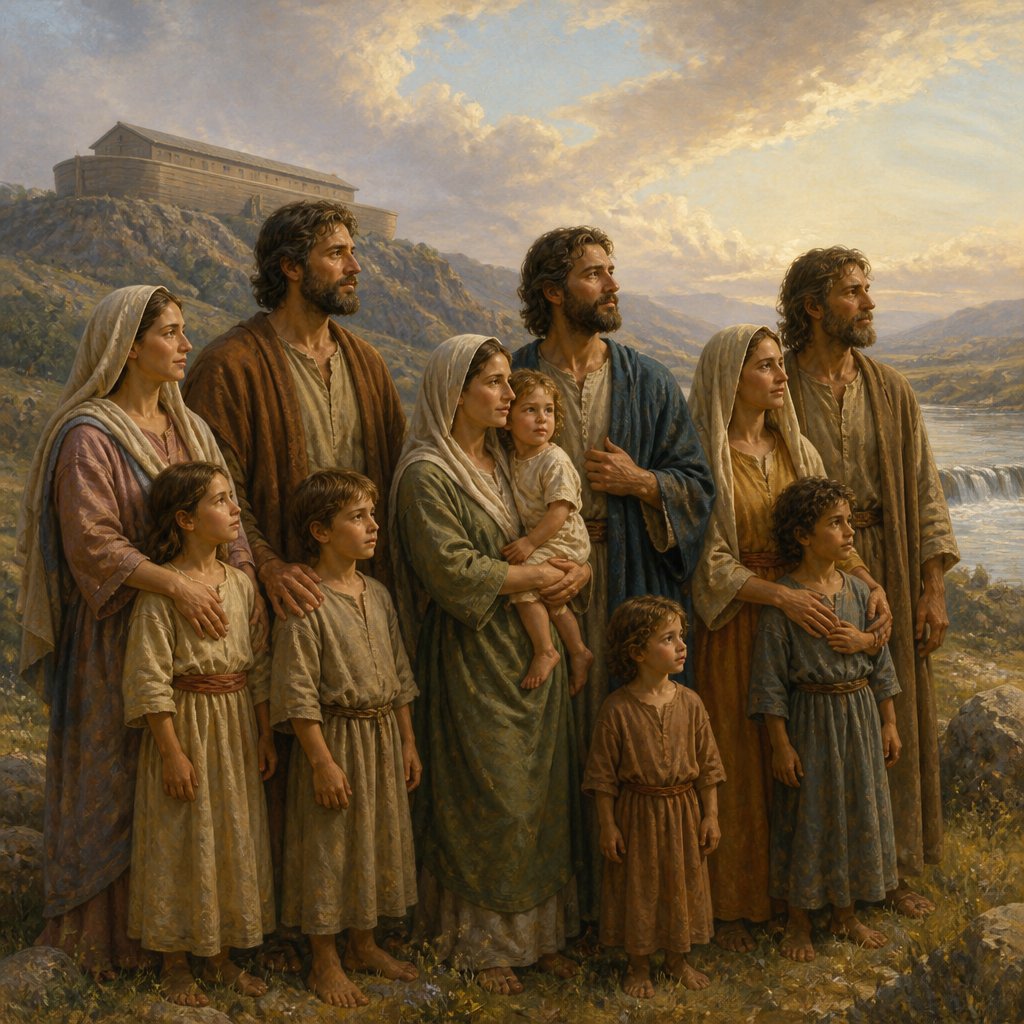
As we delve into Genesis 10:1, "Now these are the generations of the sons of Noah, Shem, Ham, and Japheth: and unto them were sons born after the flood," we encounter a pivotal moment in biblical history. This verse opens the door to a new beginning for humanity after the great flood, shedding light on the legacy left behind by Noah and his family.
Noah, a man deemed righteous in the eyes of God, faced the unparalleled devastation of the flood, witnessing the extinction of all but his immediate family. However, through his three sons—Shem, Ham, and Japheth—God’s covenantal promise of life and hope remained intact. The mention of their names and the future generations they would father serves as a testament to divine grace and restoration. Each name represents a lineage that carries forward not only biological descendants but also cultural and spiritual heritages that will shape the world.
In examining the context of this passage, we see that God had a purpose for each son of Noah. Founded by God’s will, these families would spread across the earth, giving rise to entire nations and peoples. Each generation bore the responsibility of carrying forth the knowledge of God, the teachings of their father, and the hope of redemption that God promised. The significance of their roles transcends mere genealogy. These men were heralds of a new world, tasked with the re-existence of humanity under God's sovereign rule.
The concept of “generations” in this verse emphasizes continuity. In a world where the narrative often seems chaotic and terminal, God focused on growth, propagation, and continuity. This speaks profoundly to us as believers. Our lives are intertwined in a larger story that extends beyond ourselves. We may only touch a handful of lives in our lifetime, yet we are called to instill in our children and the next generations a legacy of faith, understanding, and righteousness.
Shem, Ham, and Japheth each signify different aspects of humanity's development post-flood. For instance, Shem is often regarded as the ancestor of the Semitic peoples, including the Israelites through whom the promise of the Messiah would eventually come. This shows us the importance of lineage in the unfolding of God's plan. Each lineage considered in the complete context of Scripture reflects God's framework for redemption and hope. The implications of their lives stretch through centuries, emphasizing that none of us lives in isolation.
Conversely, Ham's legacy reminds us of the struggles and complexities of human sin. Throughout biblical history, Ham's descendants often faced consequences for their wrong choices and actions, causing division and strife. Conversely, it emphasizes that even volatile legacies can turn into lessons of redemption, urging future generations to heed the warnings of the past.
One can glean from Japheth's lineage a broader idea of inclusion as it often symbolizes the expansion of God's promise to the Gentiles, reminding us that God's grace flows beyond specific ethnic lines. This underlines the inherent inclusivity of God's plan and reminds believers today that the call to faith knows no boundaries—an invitation extended to all nations and peoples.
In application, we must consider our generational influence. What legacy are we leaving for those who follow us? Are we, like Noah, embedding faith, obedience, and the knowledge of God in our families? As Christians, our lives are not merely for our own benefit. We are called to exemplify God's love and character to the next generation, instilling in them the same resolve that Noah and his sons carried forth.
As you reflect on Genesis 10:1, ask yourself how you can invest in your family tree—nurturing their spiritual paths and laying a foundation for faith that resonates through the ages. Remember, your story is part of a broader narrative, rich with purpose, enveloped by grace, and driven by the love of the Father who desires a close relationship with His children, now and forevermore.
Want to reflect more on Genesis 10:1?
Continue your spiritual journey with Bible Chat — an AI-powered tool for exploring God's Word through conversation. Ask questions, discover connections, and deepen your understanding.
Get Our Apps


Genesis 10:1 Artwork

Genesis 10:1 - "Now these are the generations of the sons of Noah, Shem, Ham, and Japheth: and unto them were sons born after the flood."
"Now these are the generations of the sons of Noah, Shem, Ham, and Japheth: and unto them were sons born after the flood." - Genesis 10:1

Genesis 22:10

Genesis 1:10-14

Genesis 1:10 - "And God called the dry land Earth; and the gathering together of the waters called he Seas: and God saw that it was good."

Genesis 15:10

Genesis 23-10

Genesis 22-10

Genesis 16:10

Genesis 13:10

Genesis 17:10

Genesis 19-10

Genesis 20-10

Genesis 21-10

Genesis 18-10

Genesis 24:10

Genesis 25-10

Genesis 28:10

Genesis 10:10 - "And the beginning of his kingdom was Babel, and Erech, and Accad, and Calneh, in the land of Shinar."

Genesis 10:28 - "And Obal, and Abimael, and Sheba,"

Genesis 30:10-11

Genesis 10:27 - "And Hadoram, and Uzal, and Diklah,"

Genesis 10:16 - "And the Jebusite, and the Amorite, and the Girgasite,"

Genesis 10:17 - "And the Hivite, and the Arkite, and the Sinite,"
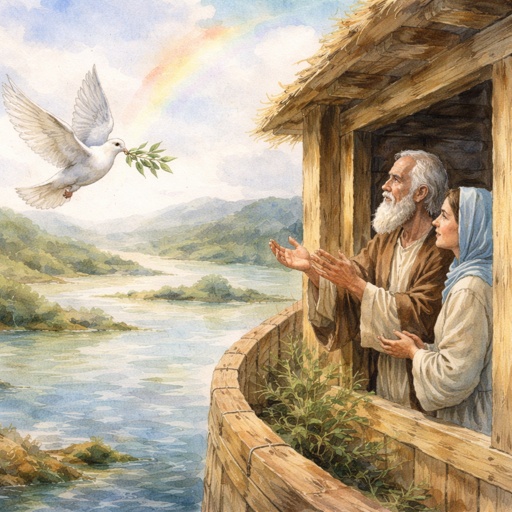
genesis 8:10-12

Genesis 27:10 KJV

Genesis 10:3 - "And the sons of Gomer; Ashkenaz, and Riphath, and Togarmah."

Genesis 10:4 - "And the sons of Javan; Elishah, and Tarshish, Kittim, and Dodanim."

Genesis 10:24 - "And Arphaxad begat Salah; and Salah begat Eber."

Genesis 10:6 - "¶ And the sons of Ham; Cush, and Mizraim, and Phut, and Canaan."