The Legacy of Nations: Understanding Our Roots
"And Pathrusim, and Casluhim, (out of whom came Philistim,) and Caphtorim." - Genesis 10:14
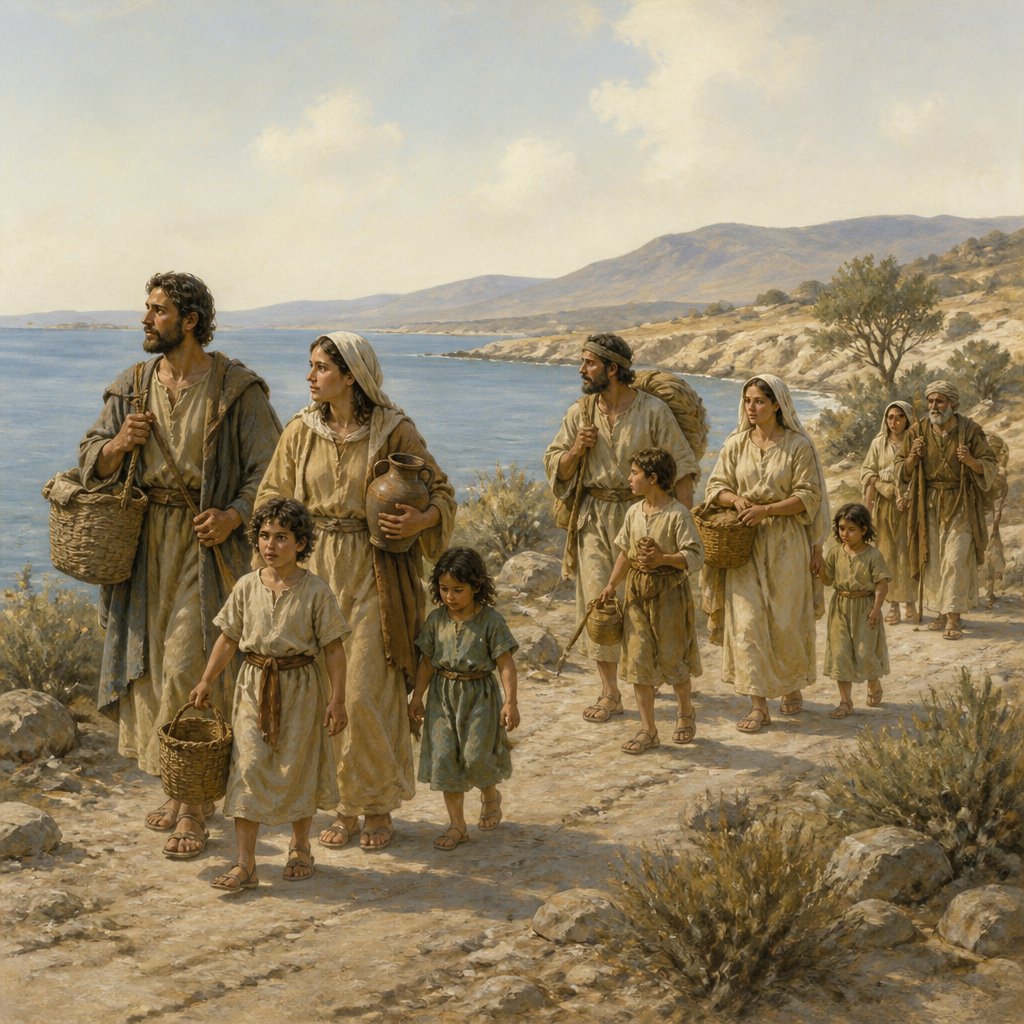
As we delve into the genealogy listed in Genesis 10, particularly verse 14, we find a seemingly mundane list of names—Pathrusim, Casluhim, Philistim, and Caphtorim—but these names hold significant weight in understanding the unfolding narrative of the Bible and God's providential design in human history.
The verse reads: "And Pathrusim, and Casluhim, (out of whom came Philistim,) and Caphtorim." At first glance, it might be easy to overlook such genealogical details, thinking they hold little importance in our spiritual lives. But as we examine these names, we uncover profound insights into our spiritual heritage, the nature of God's promises, and the reality of human relationships.
**Understanding Our Ancestry**
To begin with, genealogies in the Bible are not simply records of names; they serve as a divine narrative guiding us to comprehend God's unfolding plan. They remind us that we are part of something bigger that stretches back to the beginning of creation. The mention of the Philistim—the Philistines—alerts us to their historical significance in the story of Israel. While often depicted as adversaries, they were a part of God's created order. Understanding their origins points to God's sovereignty over all nations and peoples, even those that opposed His chosen ones.
**The Nature of Nations**
Each name in Genesis 10 encapsulates a story of a people, reflecting their cultures, beliefs, and relationships with Israel. Pathrusim likely represents the inhabitants of Upper Egypt, whereas Casluhim connects us to Crete. The Philistim signifies a people of the sea, with their own culture and ideas—a reminder that diversity among nations is part of God's design.
As believers, we must grapple with the breadth of the human experience. God did not create a single homogeneous culture or people but instead crafted a mosaic of nations, each with distinct attributes and experiences. Paul, in Acts 17:26, highlights this diversity when he states, "And hath made of one blood all nations of men for to dwell on all the face of the earth..." This underscores the beautiful intricacy of humanity. It reminds us that each nation, including those we may view as adversaries, is made in the image of God.
**God's Sovereign Plan**
Reflecting on the Philistim's lineage encourages us to consider not only their roots but also our approach to those who differ from us. The conflicts that arise between nations often stem from misunderstanding and fear. Yet, we are called to be ambassadors of reconciliation and understanding, embracing others while remembering our common humanity under God.
In the grander narrative of Scripture, from Genesis through to Revelation, we see a pattern: God reaches out to people across all divides. Jesus's lineage itself joins various peoples and backgrounds; he came to save not just the Jews but all of humanity. Genesis 10 teaches us about the tapestry of humanity that God has created, and our role to bridge gaps that sin and division establish.
**Culmination in Christ**
Additionally, Jesus's arrival marked a pivotal point in human history, where the barriers established between nations are demolished. In Ephesians 2:14, Paul declares that "For he is our peace, who hath made both one, and hath broken down the middle wall of partition between us." This displays the ultimate fulfillment of God’s promise to unite all people.
As we reflect on Genesis 10:14, let us embrace our diversity while also acknowledging that we are all woven together in Christ. We have both the privilege and responsibility to represent His love, grace, and peace in a world still divided. In doing so, we honor the legacy of our ancestors and participate actively in God’s redemptive story.
**Conclusion**
In summary, while Genesis 10:14 may initially appear as an irrelevant genealogy, it serves as a thread woven into the magnificent tapestry of God's sovereign narrative. The nations mentioned not only represent past peoples but also remind us of our call to witness to God's love across cultural boundaries and to seek understanding with those different from us. Let us embrace this challenge with faith, knowing that we are part of God’s remarkable creation that unites us all.
Want to reflect more on Genesis 10:14?
Continue your spiritual journey with Bible Chat — an AI-powered tool for exploring God's Word through conversation. Ask questions, discover connections, and deepen your understanding.
Get Our Apps


Genesis 10:14 Artwork

Genesis 10:14 - "And Pathrusim, and Casluhim, (out of whom came Philistim,) and Caphtorim."
"And Pathrusim, and Casluhim, (out of whom came Philistim,) and Caphtorim." - Genesis 10:14

Genesis 1:10-14

Genesis 14:10 - "And the vale of Siddim was full of slimepits; and the kings of Sodom and Gomorrah fled, and fell there; and they that remained fled to the mountain."

Genesis 14:10 And the vale of Siddim was full of slimepits; and the kings of Sodom and Gomorrah fled, and fell there; and they that remained fled to the mountain.
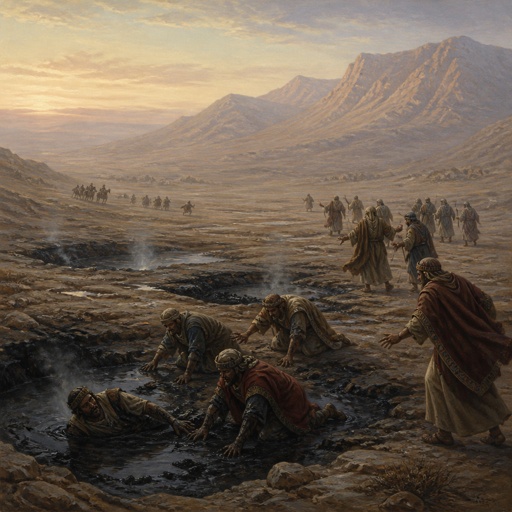
"And the vale of Siddim was full of slimepits; and the kings of Sodom and Gomorrah fled, and fell there; and they that remained fled to the mountain." - Genesis 14:10

Genesis 22 14

Genesis 19-14

Genesis 21:14

Genesis 15:14

Genesis 22-14

Genesis 25-14

Genesis 23-14

Genesis 24-14

Genesis 17-14

Genesis 16:14

Genesis 20-14

Genesis 28-14

Genesis 18-14

Genesis 25:14 - "And Mishma, and Dumah, and Massa,"

Genesis 15:10

Genesis 23-10

Genesis 22-10

Genesis 16:10

Genesis 13:10

Genesis 17:10

Genesis 19-10

Genesis 20-10

Genesis 18:9-14

Genesis 18:1-14