The Legacy of Canaan: An Exploration of Roots and Fruits
“And Canaan begat Sidon his firstborn, and Heth,” — Genesis 10:15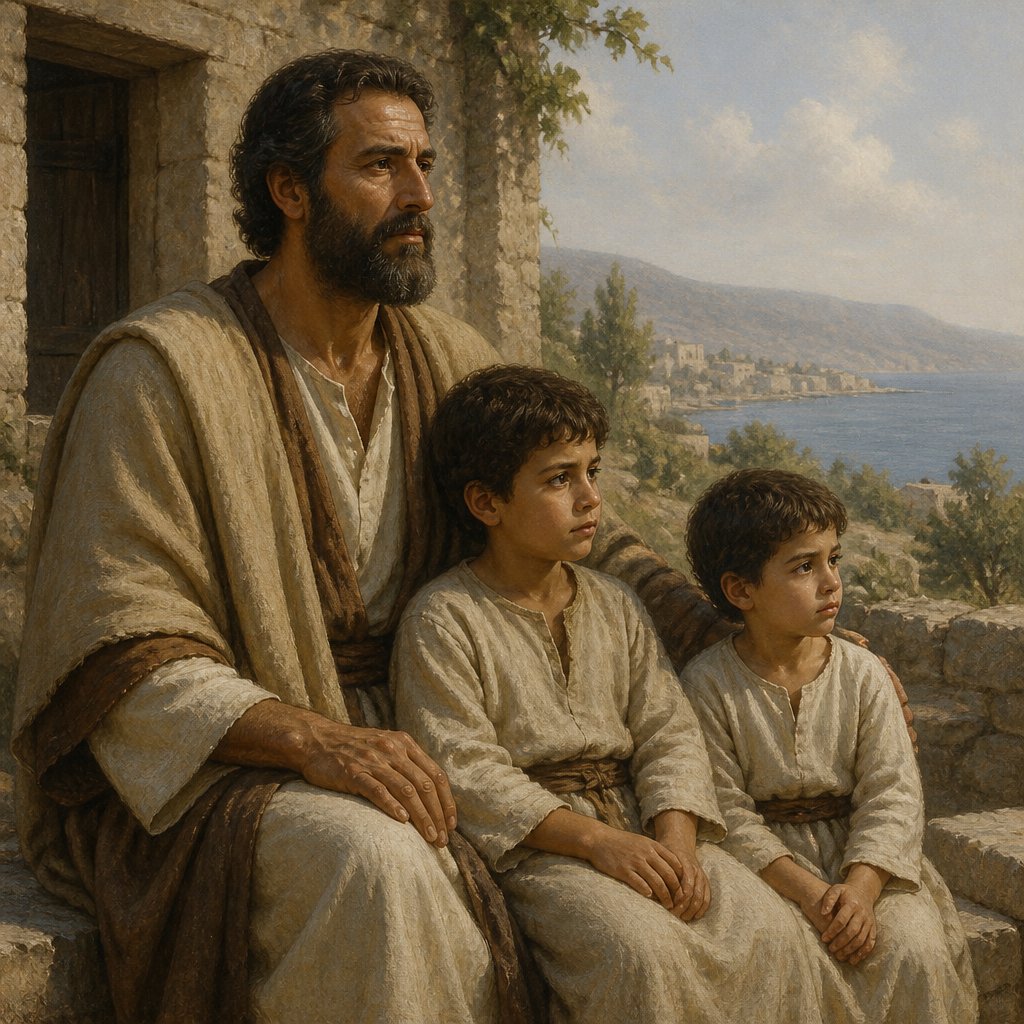
The genealogies in the Bible often provoke confusion or disinterest. However, passages like Genesis 10:15—"And Canaan begat Sidon his firstborn, and Heth"—reveal significant truths about identity, legacy, and divine purpose. Canaan, the grandson of Noah, is not merely a name on a list but represents a lineage that has a profound impact on the course of Biblical history and God's unfolding plan for His creation.
To understand the significance of Canaan and his descendants, we must first examine who Canaan was. He was the son of Ham and was cursed by Noah due to his father's indiscretions. This curse foretold a future of struggle and servitude for his descendants. When we read that Canaan begat Sidon and Heth, we must reflect on the weight of that heritage. Sidon would become a prominent city, and Heth would be the father of the Hittites, known for their conflict with Israel. In this brief verse, we see a narrative of legacy intertwined with God’s judgment.
The firstborn, Sidon, signifies not just a person but a cultural and spiritual inheritance. In biblical times, the firstborn received special blessings and responsibilities. Sidon's descendants would emerge as significant players in the ancient world, aligning with the characteristics attributed to them in scripture—wealth, influence, and often, opposition to God's people. This brings us to a vital lesson: our family backgrounds, however flawed, can become platforms for God’s work. Sidon’s legacy led to a rich cultural history, albeit one that often stood in opposition to God’s chosen lineage.
The name Heth evokes thoughts of history where God’s people faced challenges from the Hittites. The Hittites' eventual conflict with Israel serves as a reminder that sometimes our greatest hurdles come from within our own lineage or cultural backgrounds. Both of Canaan's descendants, Sidon and Heth, symbolize the broader struggles that biblical characters faced as they sought to fulfill God’s calling amidst generational pressure or societal challenges.
In our lives, we, too, may inherit aspects from our ancestors that seem to work against us—patterns of sin, societal prejudices, or conflicts that echo through the generations. Yet, within this same passage, there lies hope. Each individual has the power to redefine their legacy. The very next chapter of Genesis transitions into the anthropological narrative of the Tower of Babel, where God scatters humanity to reveal His sovereignty over all creation. Canaan’s descendants were part of this greater tapestry, signifying that no matter our past or the weight of our inheritance, God's purposes are far-reaching and transformative.
Moreover, consider how Jesus’ lineage includes those from less-than-ideal backgrounds. His genealogy defiantly integrates the names of those who were classified as outsiders by societal standards, serving a dual purpose—reminding us of the importance of roots and the ability to redeem them. In light of Christ, our heritage does not determine our destiny. Instead, we can choose to embrace an identity rooted in Him.
The call here is to rise above the circumstances of our ancestors and redefine our legacy through the choices we make today. When we encounter the names Sidon and Heth in Genesis 10:15, may we remember that every family line can bear fruit that fulfills God’s purpose. It’s a challenge to cultivate good fruits in our lives that can bless future generations.
In conclusion, Genesis 10:15 is not just a genealogical record; it is a profound reminder that we are all, in some way or another, products of our past. Yet, through God's grace, we can carve out a new future, one that reflects His glory. Let us strive to be the changemakers in our lineages, embodying the heritage of faith and obedience, and trusting the Lord to guide us, redeem our past, and shape our future.
Get our apps


Artwork for Genesis 10:15

Genesis 10:15 - "¶ And Canaan begat Sidon his firstborn, and Heth,"
"¶ And Canaan begat Sidon his firstborn, and Heth," - Genesis 10:15

Genesis 10:15 And Canaan begat Sidon his firstborn, and Heth, illustrate the Canaanites in the land of Canaan

Genesis 15:10

Genesis 15:10 - "And he took unto him all these, and divided them in the midst, and laid each piece one against another: but the birds divided he not."

Genesis 15:15

Genesis 28-15

Genesis 17-15

Genesis 15:20

Genesis 22:15

Genesis 15:11

Genesis 20-15

Genesis 16:15

Genesis 24-15

Genesis 15:14

Genesis 19-15

Genesis 25-15

Genesis 18-15

Genesis 15:9

Genesis 15:13

Genesis 23-15

Genesis 21-15

Genesis 24:15

Genesis 15:19

Genesis 15:16

Genesis 15:7

Genesis 15:17
Genesis 15:18

Genesis 15:12

Genesis 15:8