Divine Divisions: Understanding the Times of Peleg
"And unto Eber were born two sons: the name of one was Peleg; for in his days was the earth divided; and his brother's name was Joktan." - Genesis 10:25
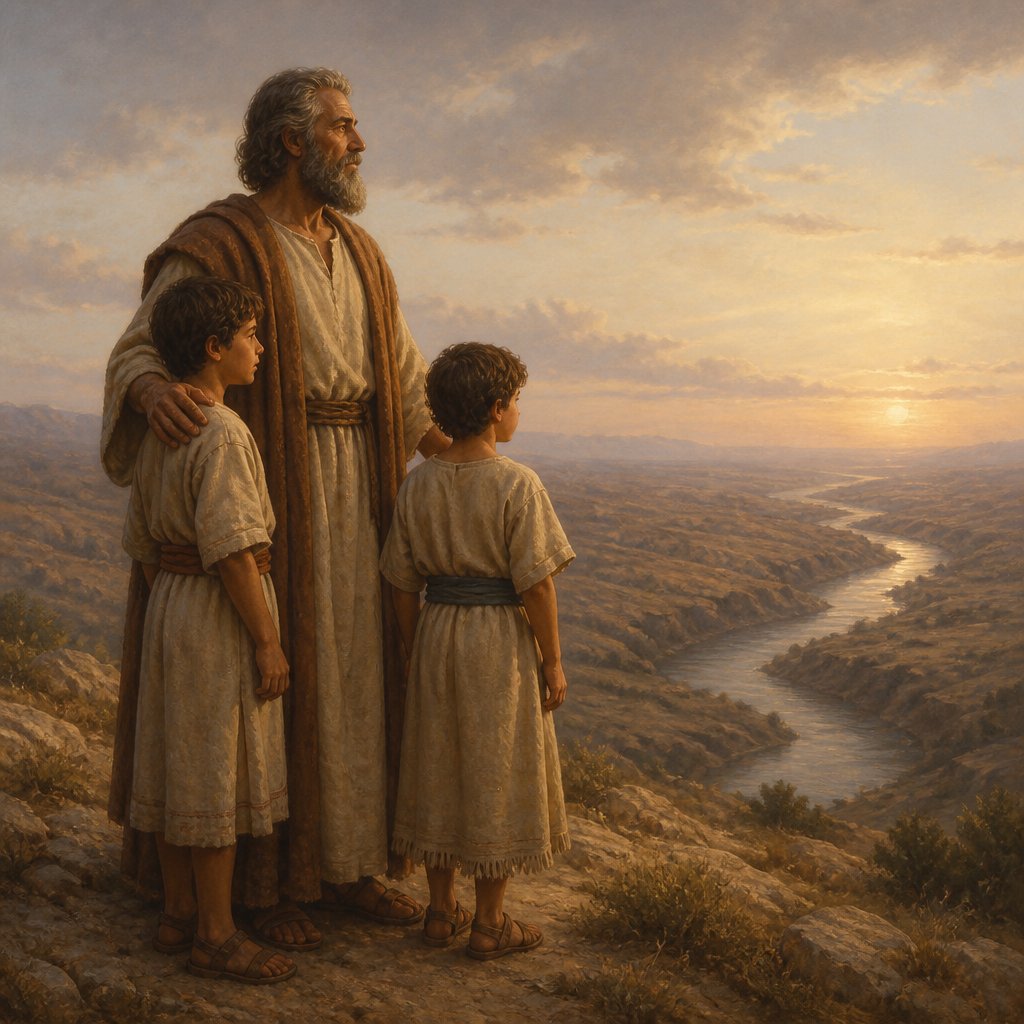
The story of Peleg and Joktan, found in Genesis 10:25, might seem to be just a detail in the genealogies of the Bible, yet within this singular verse lies profound meaning about God's sovereignty and the unfolding of history. The verse states, "And unto Eber were born two sons: the name of one was Peleg; for in his days was the earth divided; and his brother's name was Joktan."
To place this verse within its historical context, it is crucial to understand the significance of Eber. Eber, as an ancestor of the Hebrews, represents a lineage through which God's covenant promises are channeled. In naming his sons, Peleg and Joktan, we witness how each of them embodies particular dimensions of God's working in the world.
The name "Peleg" itself carries a weight of implication. The Hebrew root of his name is "palag," meaning 'to divide.' The phrase "for in his days was the earth divided" raises questions about the great event that might have led to such a division. This division could imply the geographical splitting of landmasses as well as the linguistic and cultural fragmentation that would occur later with the Tower of Babel in Genesis 11:1-9. The division symbolizes reality beyond just a physical separation; it is representative of the diverse paths humanity would take away from a singular origin.
God, in His wisdom, created a diverse world – a world that reflects His glory in myriad ways. As creation expanded and people filled the Earth, differences emerged, not only in culture and language but also in values, beliefs, and practices. The story of Peleg reminds us that division, while sometimes painful, can serve divine purposes. God sometimes allows divisions to occur as a means of fulfilling His plan, guiding humanity in various directions according to His divine will.
In contrast, Joktan, whose name might be connected to the concept of ‘little’ or ‘small,’ invites reflection on the less conspicuous paths of history. While we often focus on significant events, the quiet and 'small' developments shaped the lives of nations and people. Joktan’s lineage includes several smaller nations that emerged from him and settled in regions largely ignored by major historical narratives.
In our modern context, we frequently find ourselves examining divisions that perpetuate conflict and strife in society—political, cultural, and personal divides. But Genesis 10:25 also teaches us that division is a stage in a larger story of restoration and redemption. While the separation may seem unfortunate, God can breathe life through division, creating opportunities for growth, identity exploration, and new beginnings. In times of division, it becomes vital to remind ourselves of our ultimate roots, found in the Creator who divided the nations but desires unity in through Christ.
Moreover, Peleg's story is not a condemnation of diversity but rather an affirmation of God's grand design. This truth provides comfort that the divisions in our lives—be they interpersonal, intrapersonal, or societal—are known to God and can be woven together in His perfect tapestry. As believers, we should not only acknowledge our differences but also seek unity based on mutual respect and love, grounded in our shared identity as children of God.
As we contemplate the line of Eber—one of division and one of 'smallness'—let us remember that God is at work in all aspects of our lives. May we embrace our unique identities while all striving toward unity in Christ. Let us acknowledge that each person has a unique story within His grand narrative, that as we navigate through disagreements and distances, we allow room for the Holy Spirit to guide us, to heal us, and to reconcile us.
In understanding the essence of Peleg’s era, we are reminded that while Earth may be divided in purpose and culture, it is unified at its core by a Creator who loves each of us individually and collectively.
Want to reflect more on Genesis 10:25?
Continue your spiritual journey with Bible Chat — an AI-powered tool for exploring God's Word through conversation. Ask questions, discover connections, and deepen your understanding.
Get Our Apps


Genesis 10:25 Artwork
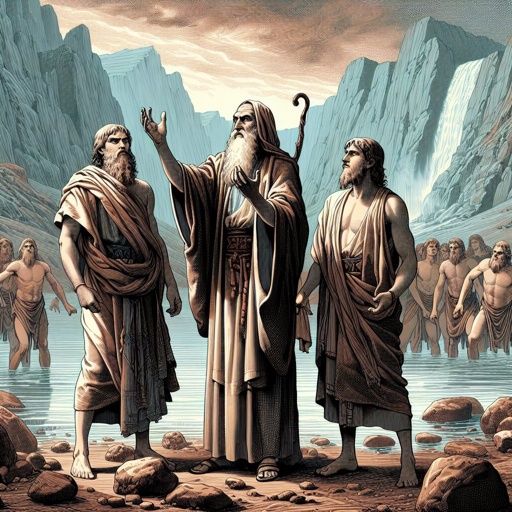
Genesis 10:25 - "And unto Eber were born two sons: the name of one was Peleg; for in his days was the earth divided; and his brother's name was Joktan."
"And unto Eber were born two sons: the name of one was Peleg; for in his days was the earth divided; and his brother's name was Joktan." - Genesis 10:25

Genesis 25-10

Genesis 25:10 - "The field which Abraham purchased of the sons of Heth: there was Abraham buried, and Sarah his wife."

Genesis 25:25
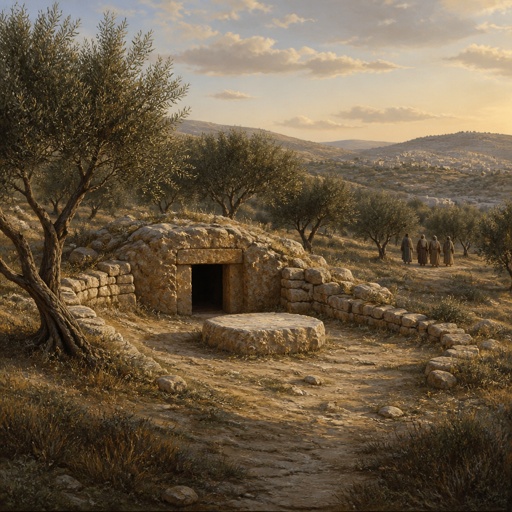
"The field which Abraham purchased of the sons of Heth: there was Abraham buried, and Sarah his wife." - Genesis 25:10

Genesis 1:1-25

Genesis 1:1-25

Genesis 1:1-25

Genesis 25-2

Genesis 25-18

Genesis 25-24

Genesis 25-7

Genesis 25-23

Genesis 25-14

Genesis 26:25

Genesis 50:25

Genesis 25:1

Genesis 21:25

Genesis 25-15

Genesis 25-26

Genesis 25-13

Genesis 50:25

Genesis 25-32

Genesis 25-6

Genesis 18-25

Genesis 25-16

Genesis 2:25

Genesis 18:25

Genesis 25-8