The Legacy of Names: A Journey Through Genesis 10:28
“And Obal, and Abimael, and Sheba,” — Genesis 10:28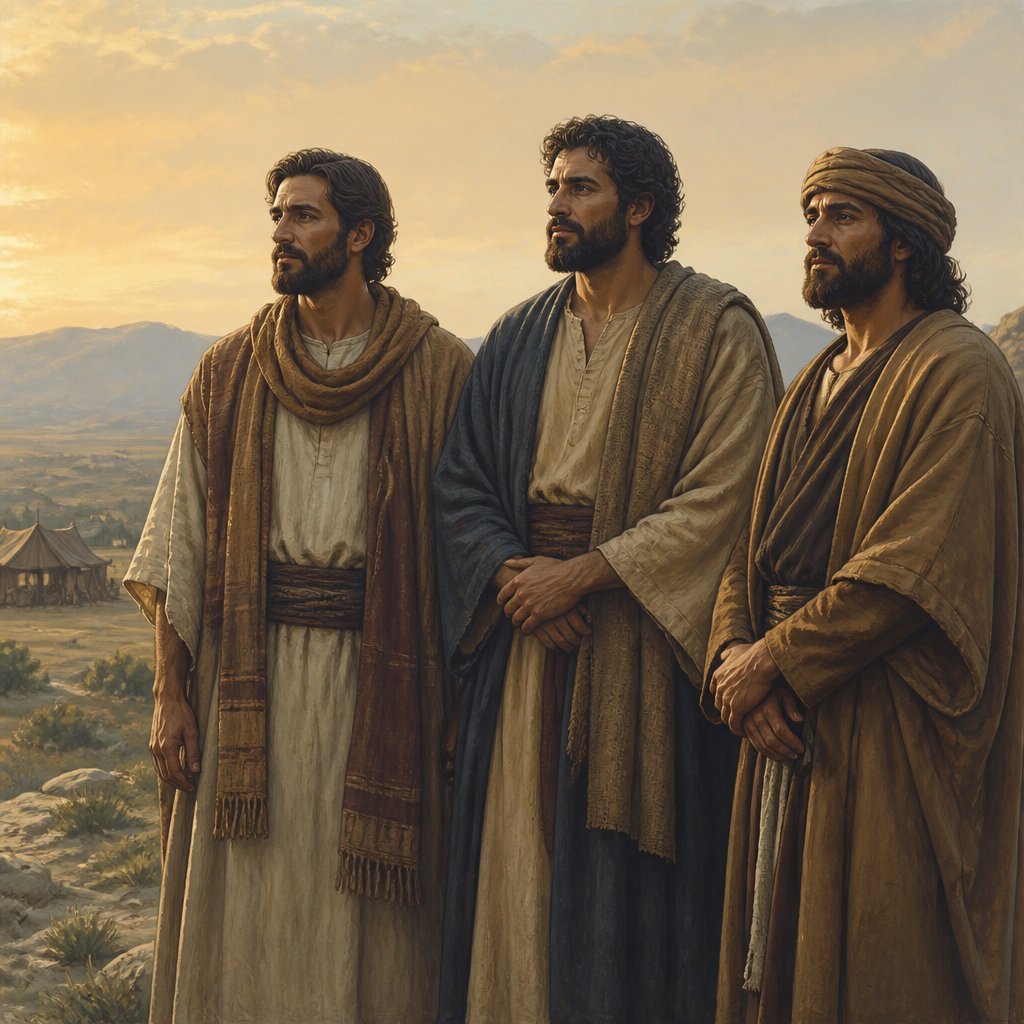
In the study of genealogies within the Scriptures, we often encounter verses that seem to list names and places without much context or significance. Genesis 10:28 reads, "And Obal, and Abimael, and Sheba." While this verse may appear as merely a part of a long genealogy detailing the descendants of Noah, each name carries a weight of history, culture, and the divine plan of God in fulfilling His promises to humanity.
**The Importance of Names in Scripture**
Understanding the significance of names in the Bible is crucial. Names in biblical times often held profound meanings and reflected characteristics, destinies, or the circumstances of their bearers. They were not just labels; they were an integral part of one’s identity and heritage. When God renamed Abram to Abraham, it marked a pivotal moment in his life and the history of Israel—a fresh start and reaffirmation of the covenant promises.
**Obal, Abimael, and Sheba**
In Genesis 10, the descendants of Noah are traced, revealing how the world was populated after the flood. Obal, the first name mentioned, is less renowned than others, and little is recorded about his contributions or legacy. Yet, his name can be interpreted as "a wild animal" or "to be a shepherd," suggesting a connection to leadership and care. What we glean from Obal is that even those who may not be prominently featured in Scripture have a role to play in God's grand narrative.
Abimael, whose name translates to "the father is God," speaks volumes about the nature of God being the Almighty and the divine protector of families and nations. In a world filled with chaos, knowing that there is a fatherly presence that cares and guides can bring great comfort. As believers, we can find solace in the truth that God, our Father, is intimately involved in our lives, guiding us through our journeys.
Finally, Sheba, often associated with riches and wealth, carries a significant weight. The land of Sheba was noted for its precious resources. However, beyond its physical abundance, Sheba also represents the spiritual wealth that comes from experiencing God’s blessings. It highlights that while material wealth can be a blessing, the true riches lie in our relationship with God who provides in abundance both in spirit and in needing.
**Reflections on Our Own Names and Callings**
As we ponder these names, let us consider our own. What does your name signify? Are there attributes of your name that shape your identity? God uses names as a way of imparting purpose. Just as He established a future for Noah’s descendants, He has woven a narrative for each of us. Your name may reflect a family legacy, a personal story, or even the dreams of those who came before you. The significance of your name can be a revelation of your calling.
**Living Out Our Legacies**
In our quest to understand these biblical names, we are reminded that we, too, are living legacies of faith. The names we pass down to our children—whether they are literal names or the names we adopt in Christ—carry the weight of who we are and who God calls us to be. Like Obal, Abimael, and Sheba, we may have humble beginnings or extraordinary destinies, but all are valuable in the greater tapestry of God's work.
In conclusion, Genesis 10:28 is not merely a list. It serves to remind us of the grandeur of God’s plan in the mundane, the significance of our identities, and the importance of the legacy we create. As you meditate on these names, draw nearer to the Father who intricately shapes your life and purpose, and remember that your name—like those of Obal, Abimael, and Sheba—holds a story worth telling.
Get our apps


Artwork for Genesis 10:28

Genesis 10:28 - "And Obal, and Abimael, and Sheba,"

"And Obal, and Abimael, and Sheba," - Genesis 10:28

Genesis 28:10

Genesis 28:10 - "¶ And Jacob went out from Beer-sheba, and went toward Haran."

"¶ And Jacob went out from Beer-sheba, and went toward Haran." - Genesis 28:10

Genesis 28-15

Genesis 28-12

Genesis 28-16

Genesis 28-21

Genesis 28-22

Genesis 28-17

Genesis 21:28

Genesis 28:18

Genesis 24:28

Genesis 28:18

Genesis 28-20

Genesis 28-13

Genesis 28-19

Genesis 28-14

Genesis 28-11

Genesis 19-28

Genesis 18-28

Genesis 36:28 - "The children of Dishan are these; Uz, and Aran."

Genesis 35:28 - "And the days of Isaac were an hundred and fourscore years."

Genesis 21:28 - "And Abraham set seven ewe lambs of the flock by themselves."

Genesis 5:28 - "¶ And Lamech lived an hundred eighty and two years, and begat a son:"

Genesis 30:28 - "And he said, Appoint me thy wages, and I will give it."

Genesis 28:8 - "And Esau seeing that the daughters of Canaan pleased not Isaac his father;"

Genesis 34:28 - "They took their sheep, and their oxen, and their asses, and that which was in the city, and that which was in the field,"

Genesis 9:28 - "¶ And Noah lived after the flood three hundred and fifty years."