The Legacy of Gomer: Understanding Our Roots and Mission
“And the sons of Gomer; Ashkenaz, and Riphath, and Togarmah.” — Genesis 10:3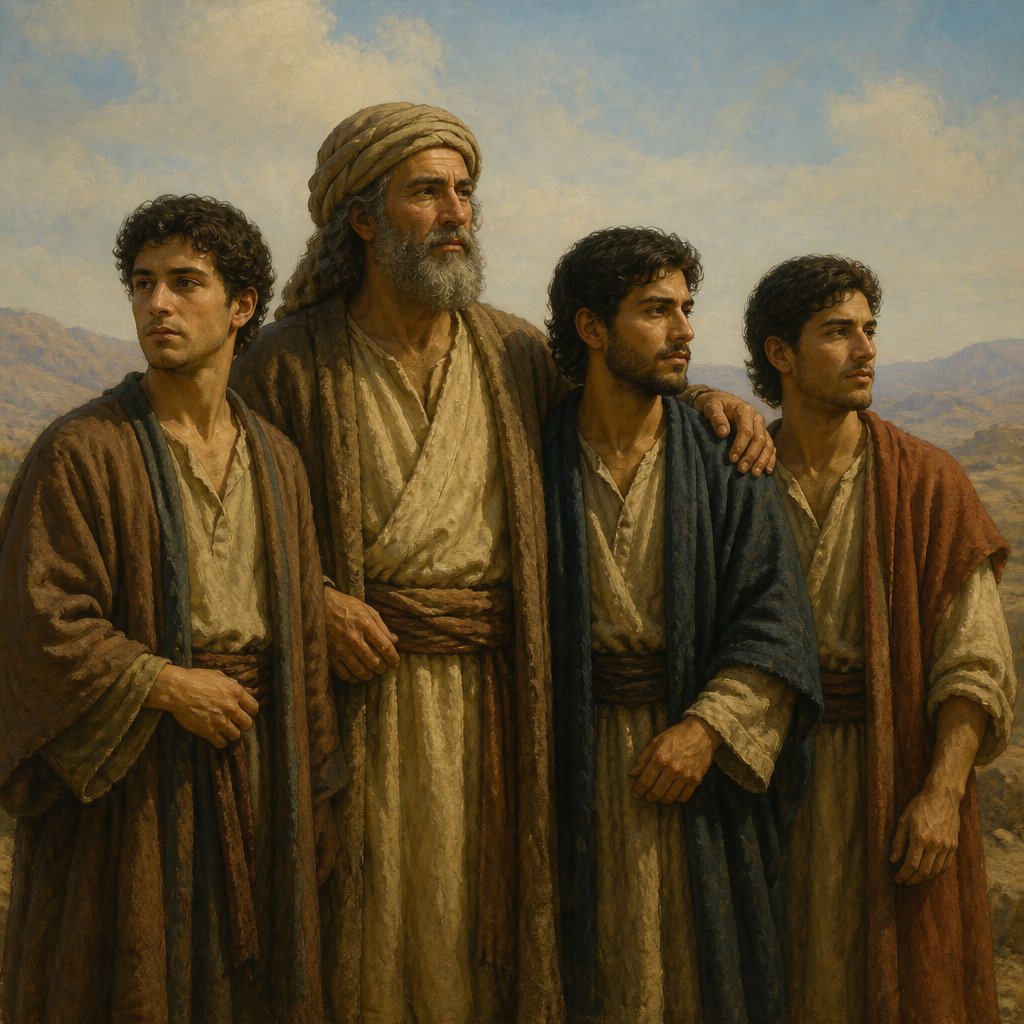
In the vast tapestry of the Book of Genesis, amidst genealogies and family trees, we often overlook the significance held within the seemingly simple verses. One such verse is Genesis 10:3, which states, "And the sons of Gomer; Ashkenaz, and Riphath, and Togarmah" (KJV). This verse, though concise, opens a window to understanding our spiritual legacy, the importance of familial inheritance, and the call to mission that emerges from our roots.
Gomer, a descendant of Noah's son Japheth, carries with him the essence of the early peoples who populated the Earth after the great flood. The names listed—Ashkenaz, Riphath, and Togarmah—though they might appear as ancient and distant, represent more than just identities lost in time. They symbolize nations and peoples that would come to shape the world, from the migrations and settlements in Eastern Europe to the ancient trades that would connect various cultures.
To understand the spiritual implications of this genealogy, we must first appreciate the weight of names in biblical tradition. Names often carry prophetic significance or denote character traits and destinies that God has ordained. For instance, Ashkenaz is associated with the region of Germany, while Togarmah is linked to the peoples of Armenia and the Turkic tribes. Each of these names represents cultural identities and the divine orchestration behind the unfolding of human history.
As believers, we can draw several lessons from this genealogy. First, it reminds us to reflect on the spiritual inheritance that has been passed down through generations. Just as Gomer's lineage influenced nations, our families have shaped us. We may not carry the names of biblical figures, but we each belong to a spiritual family through faith. In Ephesians 1:5, it is declared that “Having predestinated us unto the adoption of children by Jesus Christ to himself, according to the good pleasure of his will.” We inherit the legacy of faith, love, and purpose bestowed upon us through Jesus Christ.
Furthermore, understanding the origins of nations and peoples in biblical texts encourages us to engage with our present realities actively. Our roots inform our mission; we carry the call to share the gospel to all nations, just as the descendants of Gomer expanded throughout the earth. The Great Commission (Matthew 28:19-20) beckons us to go forth, making disciples of all nations. Gomer's lineage serves as a reminder that God has already prepared a diverse and expansive world for us to reach. We must approach every culture with respect and a heart ready to share the gospel, recognizing that each group, just like the descendants of Gomer, has value in God's creation.
Moreover, these genealogical records call us to consider the weight of our participation in this mission. Each name carries a story, representing families and generations that came before us. Therefore, as we reflect on our personal journeys, let us also examine how we are contributing to the legacy of faith. Are we nurturing the next generation, instilling in them the values and knowledge of God’s word? Are we actively participating in the body of Christ, working toward the unity of believers across all nations and backgrounds?
In conclusion, Genesis 10:3 is a powerful reminder of who we are in Christ and the mission to which we are called. Gomer’s sons remind us of our heritage and the collective mission shared among believers throughout history. As we delve deeper into understanding our roots, let us commit to living out our faith boldly and intentionally, knowing that every action we take contributes to a legacy that spans generations. May we honor our spiritual inheritance by seeking to fulfill our purpose with vigilance and love.
Get our apps


Artwork for Genesis 10:3

Genesis 10:3 - "And the sons of Gomer; Ashkenaz, and Riphath, and Togarmah."
"And the sons of Gomer; Ashkenaz, and Riphath, and Togarmah." - Genesis 10:3

Genesis 3:10 - "And he said, I heard thy voice in the garden, and I was afraid, because I was naked; and I hid myself."

Genesis 15:10

Genesis 23-10

Genesis 22-10

Genesis 16:10

Genesis 13:10

Genesis 17:10

Genesis 19-10

Genesis 20-10

Genesis 22:10

Genesis 21-10

Genesis 18-10

Genesis 24:10

Genesis 25-10

Genesis 28:10

Genesis 10:10 - "And the beginning of his kingdom was Babel, and Erech, and Accad, and Calneh, in the land of Shinar."

Genesis 3

Genesis 10:28 - "And Obal, and Abimael, and Sheba,"

Genesis 1:10-14

Genesis 30:10-11

Genesis 10:27 - "And Hadoram, and Uzal, and Diklah,"

Genesis 10:16 - "And the Jebusite, and the Amorite, and the Girgasite,"

Genesis 10:17 - "And the Hivite, and the Arkite, and the Sinite,"
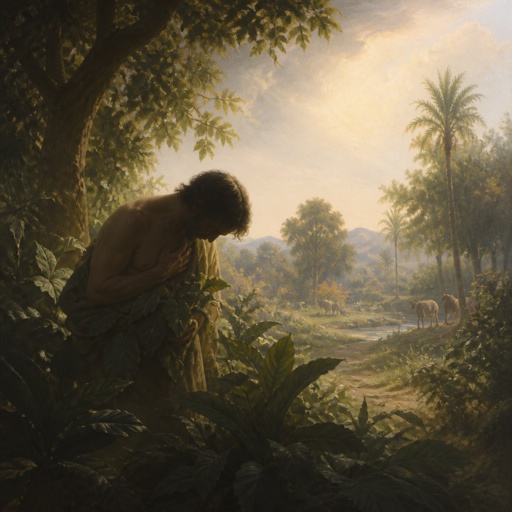
"And he said, I heard thy voice in the garden, and I was afraid, because I was naked; and I hid myself." - Genesis 3:10
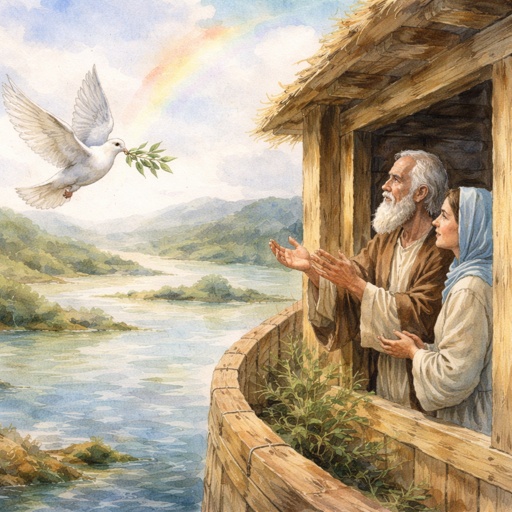
genesis 8:10-12

Genesis 27:10 KJV

Genesis 3:8

Genesis 3:24