The Scattering of Babel: Understanding Divine Intervention
"Therefore is the name of it called Babel; because the LORD did there confound the language of all the earth: and from thence did the LORD scatter them abroad upon the face of all the earth." - Genesis 11:9
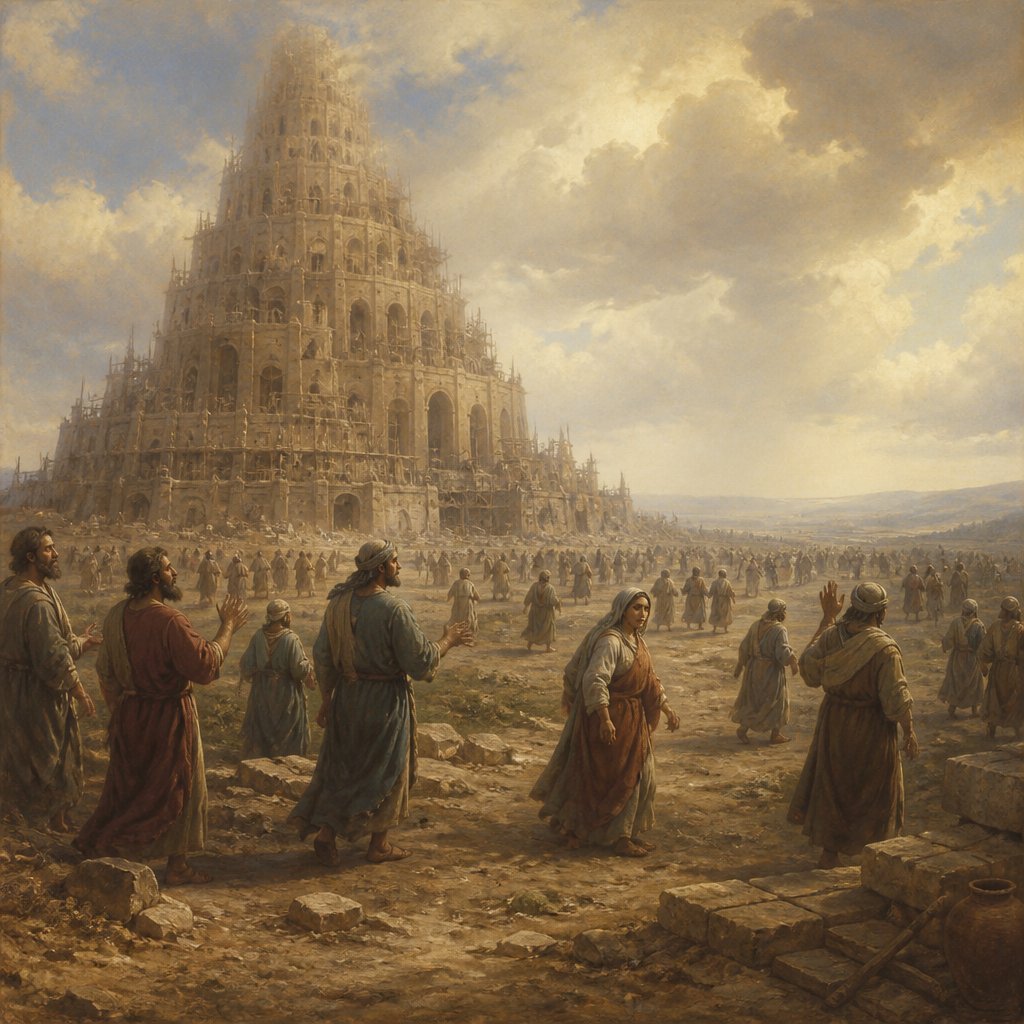
**The Scattering of Babel: Understanding Divine Intervention**
Genesis 11:9 tells us, "Therefore is the name of it called Babel; because the LORD did there confound the language of all the earth: and from thence did the LORD scatter them abroad upon the face of all the earth." This verse marks an essential moment in the narrative of humanity's early attempts to define its purpose and identity in relation to the divine.
The story of Babel reveals significant themes regarding human ambition, divine order, and the consequences of misunderstanding God's intentions. Here, we should first recognize that the ambition of mankind was not inherently evil. The people of Babel sought to create a city and a tower that reached to the heavens, intending to make a name for themselves. Their unified goal reflects a powerful human tendency to seek significance and community, which, at surface level, is commendable.
However, this endeavor was fundamentally flawed because it stemmed from a desire to elevate themselves rather than to glorify God. By attempting to build a tower that reached up to heaven, they symbolically set themselves in opposition to God, forgetting their humble position as His creation, formed from the dust of the earth. The desire to build a name for themselves is a temptation we still face today.
Reflecting on our lives, we often find ourselves striving for fame, recognition, or superiority. In doing so, we may overlook our true purpose—to bear the image of God and reflect His glory in all that we do. As Matthew Henry points out in his commentary, the construction of the tower represented a desire for self-sufficiency apart from God, a sentiment that echoes throughout human history and continues to find expression in contemporary society.
As a response to this misguided ambition, God intervened, a key element highlighted in the verse. "Therefore is the name of it called Babel; because the LORD did there confound the language of all the earth." God's action was not punitive in a simple sense, but rather redemptive. By confounding their language, He effectively disrupted their plans for self-exaltation and forced them to recognize their limitations. With this divine action, God scattered humanity across the earth, which may initially seem like a punishment but is, in reality, an act of mercy.
The scattering of Babel serves as a powerful reminder of God's sovereignty. He has the authority to steer the course of humanity according to His divine will, reinforcing the idea that no matter how strong human will may be, it exists within the parameters of God's ultimate plan. The dispersion serves as a profound lesson about unity: while God intended for humanity to live in harmony, such unity must be predicated on a shared recognition of His authority and purpose.
In our own lives, we may experience situations causing us to become divided or feel scattered. Whether through personal trials, community strife, or the challenges of societal division, the spirit of Babel can manifest in language barriers—miscommunications, misunderstandings, or conflicts that seem insurmountable. Yet, we must remember that God can bring unity even in diversity. This unity is not uniformity; rather, it celebrates our differences while drawing us back to one common purpose—glorifying God and fulfilling His commission to spread His love across all the earth.
As we reflect on the story of Babel, let us consider our ambitions and motives. Are we seeking to make a name for ourselves, or are we actively pursuing a life that reflects God's grace and glory? How might God be calling us to embrace the diversity of voices and cultures around us while fostering unity in the spirit of serving Him? May we always seek to build not our own towers of pride but rather a community rooted in humility and anchored in love.
In conclusion, Genesis 11:9 reminds us that while striving to fulfill our desires, we must align our ambitions with God's purposes. The story of Babel is not merely a tale of confusion; it's an invitation to seek a more profound understanding of our roles as individuals and as a collective body before God.
Want to reflect more on Genesis 11:9?
Continue your spiritual journey with Bible Chat — an AI-powered tool for exploring God's Word through conversation. Ask questions, discover connections, and deepen your understanding.
Get Our Apps


Genesis 11:9 Artwork

Genesis 11:9 - "Therefore is the name of it called Babel; because the LORD did there confound the language of all the earth: and from thence did the LORD scatter them abroad upon the face of all the earth."
"Therefore is the name of it called Babel; because the LORD did there confound the language of all the earth: and from thence did the LORD scatter them abroad upon the face of all the earth." - Genesis 11:9
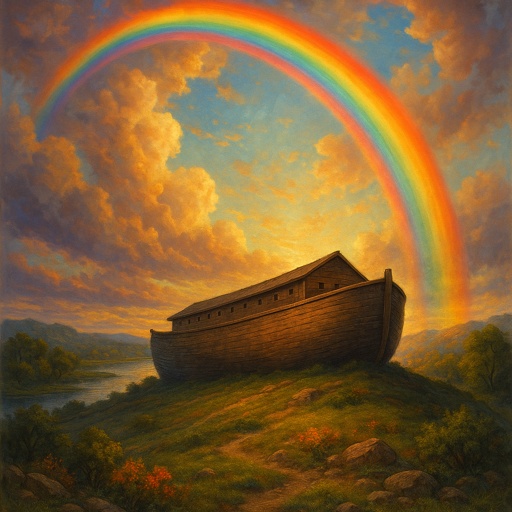
"And I will establish my covenant with you; neither shall all flesh be cut off any more by the waters of a flood; neither shall there any more be a flood to destroy the earth." - Genesis 9:11

Genesis 9:11 - "And I will establish my covenant with you; neither shall all flesh be cut off any more by the waters of a flood; neither shall there any more be a flood to destroy the earth."

genesis 8:11

Genesis 8:11

Genesis 11:5

Genesis 15:11

genesis 8:11

genesis 8:11

Genesis 8:11

genesis 8:11

Genesis 11:5

Genesis 21-11

Genesis 18-11

Genesis 22-9

Genesis 16:9

Genesis 15:9

Genesis 9:13

Genesis 20-11

Genesis 8:11

Genesis 22:11

Genesis 28-11

Genesis 23:11

Genesis 11:5

genesis 8:11

Genesis 24-11

Genesis 16:11

Genesis 17-11

Genesis 11:5