The Legacy of Terah: A Testament of Faith and Family
"And Terah lived seventy years, and begat Abram, Nahor, and Haran." - Genesis 11:26
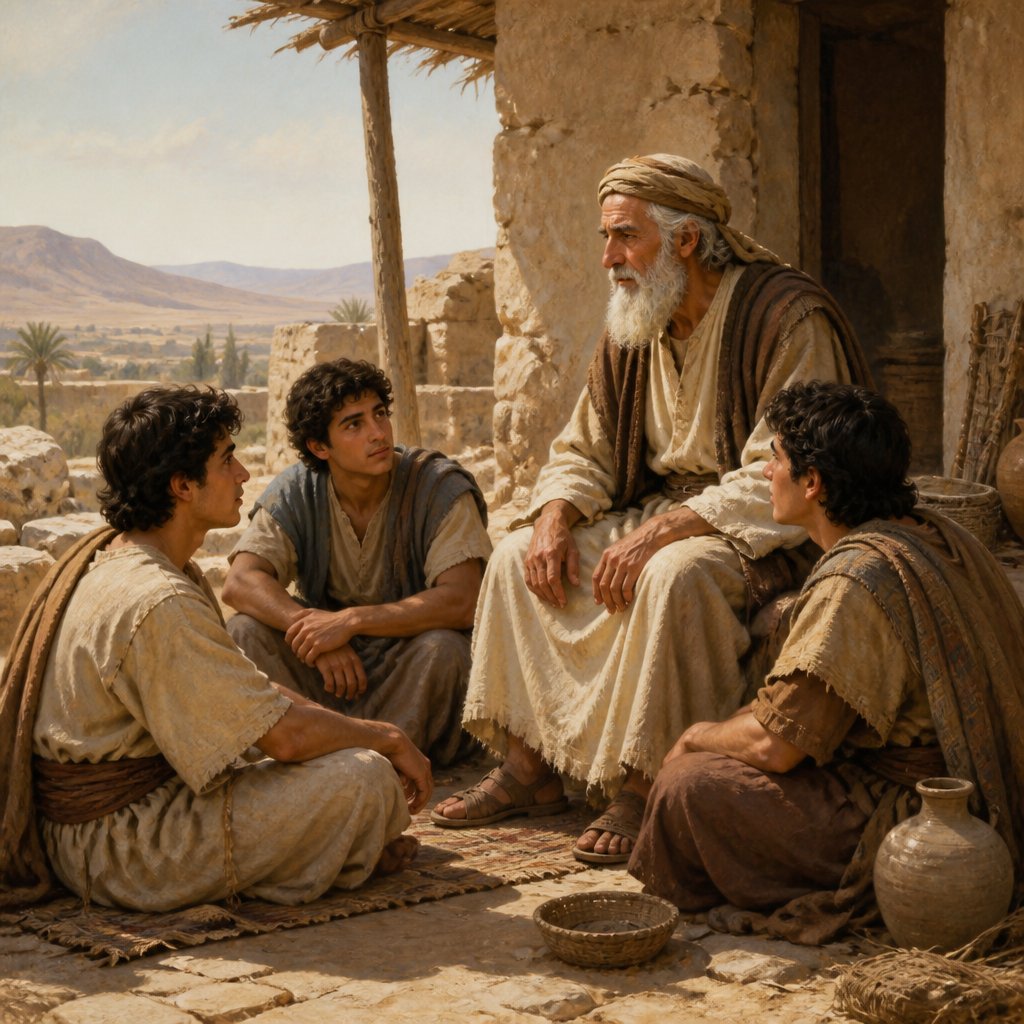
In the heart of the book of Genesis, we encounter a pivotal figure whose lineage bears great significance in the unfolding story of Scripture. Genesis 11:26 states, "And Terah lived seventy years, and begat Abram, Nahor, and Haran." At first glance, this verse may appear to be a mere genealogical note, yet it is laden with profound implications that guide us toward understanding God’s sovereign plan through generations.
The context of Terah's life is critical to grasping the weight of this verse. Terah, the father of Abram (who would later be known as Abraham), Nahor, and Haran, lived during a time that was steeped in idolatry and confusion following the Great Flood. The world was struggling to discover its purpose, and spiritual darkness loomed. However, Terah stood at a crossroads, inherently facing a choice that could have dire consequences for his family and future generations.
In examining Terah's life, we are confronted with the reality that every parent carries the weight of legacy upon their shoulders. The names of his three sons—Abram, Nahor, and Haran—represent not just a lineage but the future of God’s redemptive plan. Abram was destined to become a pivotal figure in biblical history, the father of many nations, and a beacon of faith. It is through Abram that God would continue to reveal His promises. Here, Terah plays an essential role, for every choice he made had the potential to shape the faith trajectory of his sons.
Living seventy years before becoming a father, Terah must have experienced a myriad of challenges, joys, and tribulations that come with life. The delayed start as a patriarch illustrates that life unfolds in God’s perfect timing. Just as Terah’s journey began at seventy, we too must remember that our lives may be beautifully transformed irrespective of the timing we perceive as ideal. God’s grace covers every instance we might have felt late in our calling. He can use anyone, at any age, if they are willing to walk in obedience.
It is worthwhile to consider the relationship dynamics within Terah's family. Terah had a choice to influence his sons toward faithfulness or idolatry. Abram made the decision to follow God and lead his family in a direction aligned with divine promise. The legacy of Terah is ultimately seen through the choices and leadership of his son. It reminds us that the decisions we make today can resonate through future generations. Are we instilling faith, teachings, and values that are reflective of the God we serve?
As parents and mentors, we are invited to be vessels of God’s truth, sharing our faith with those we lead. Terah, representing the imperfect family man, can encourage us to strive for something greater in our households. Though not much is spoken about his spiritual journey, we know that Abram’s faith was a response to a call that ultimately changed the course of history. There is a sense here that Terah’s story invites us to reflect on what we will leave behind for others.
Furthermore, the mention of Terah and his sons in the lineage leading to Christ points toward something greater—a reminder that God indeed works through imperfect people. His grace can transform and redeem even those who may initially stray from the path of righteousness.
In conclusion, Genesis 11:26 encapsulates a familial truth that transcends time: God shapes destinies through families. Let us then embrace our role, whether as parents, leaders, or mentors. The decisions made today in our lives and families can yield a profound impact, steering hearts toward faith and establishing a legacy rooted in the promises of God. May we, like Terah, choose to lead our families toward a path marked by righteousness, as we trust in the sovereignty of God to facilitate transformation through our obedience.
Want to reflect more on Genesis 11:26?
Continue your spiritual journey with Bible Chat — an AI-powered tool for exploring God's Word through conversation. Ask questions, discover connections, and deepen your understanding.
Get Our Apps


Genesis 11:26 Artwork

Genesis 11:26 - "And Terah lived seventy years, and begat Abram, Nahor, and Haran."
"And Terah lived seventy years, and begat Abram, Nahor, and Haran." - Genesis 11:26
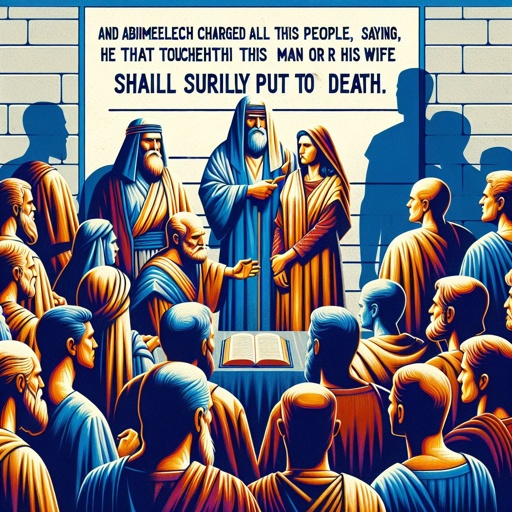
Genesis 26:11 - "And Abimelech charged all his people, saying, He that toucheth this man or his wife shall surely be put to death." respectful, symbolic bible verse art

Genesis 1:26

Genesis 1:26

Genesis 1:26

Genesis 1:26

Genesis 24-26

Genesis 26:35

Genesis 50:26

Genesis 26:25

Genesis 25-26

Genesis 21-26

Genesis 50:26

Genesis 50:26

Genesis 26:29

Genesis 18-26

Genesis 19-26

Genesis 26:18

Genesis 50:26

Genesis 26:9

Genesis 17-26

Genesis 26 1 famine
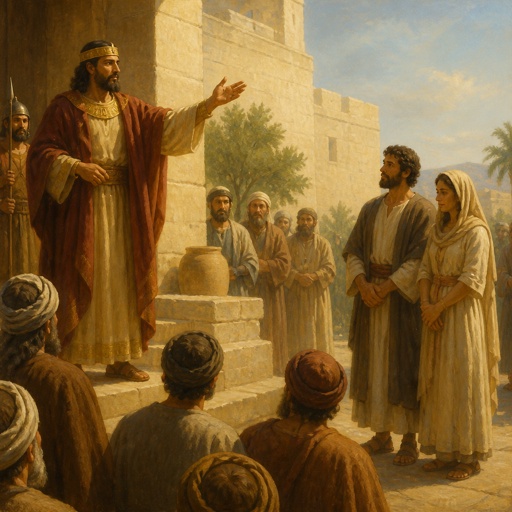
"And Abimelech charged all his people, saying, He that toucheth this man or his wife shall surely be put to death." - Genesis 26:11

Genesis 26:6 - "¶ And Isaac dwelt in Gerar:"

genesis 26:1-35

Genesis 26:26 - "¶ Then Abimelech went to him from Gerar, and Ahuzzath one of his friends, and Phichol the chief captain of his army."

Genesis 42:26 - "And they laded their asses with the corn, and departed thence."

Numbers 11:16-26

Genesis 36:26 - "And these are the children of Dishon; Hemdan, and Eshban, and Ithran, and Cheran."