Unveiling the Truth: Lessons from Abram's Encounter with Pharaoh
"And Pharaoh called Abram, and said, What is this that thou hast done unto me? why didst thou not tell me that she was thy wife?" - Genesis 12:18
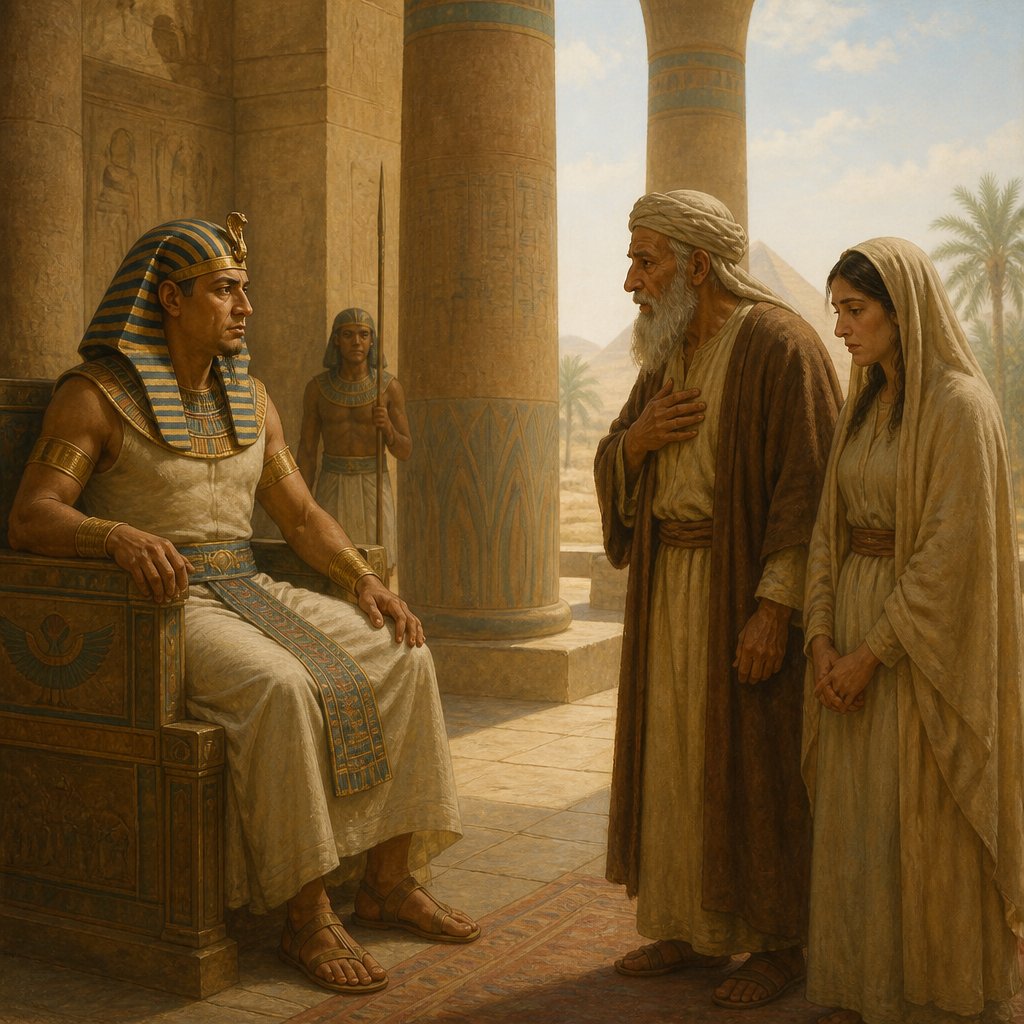
In the journey of faith, moments of trial often lead us to decisions that define our character and our relationship with God. Genesis 12:18 presents us with a compelling narrative involving Abram (later known as Abraham) and Pharaoh, a figure representing earthly power and authority. The verse reads: "And Pharaoh called Abram, and said, What is this that thou hast done unto me? why didst thou not tell me that she was thy wife?" This poignant exchange offers profound insights into the importance of integrity, the consequences of deceit, and the faithfulness of God in the face of our shortcomings.
At first glance, it seems that Abram's actions were rooted in a desire for self-preservation. Fearful for his life due to the beauty of his wife, Sarai, Abram instructs her to present herself as his sister (as she was his half-sister). He believed that this deception would protect him from the potential threat posed by Pharaoh. However, this choice ultimately leads to a predicament that one could argue might have been avoided had Abram opted for truthfulness.
This narrative compels us to confront the reality of humanity: our instincts often drive us toward deceit when we perceive danger. Yet, what is the cost of such decisions? Abram's falsehood not only placed his marriage at risk but also entangled an innocent party, Pharaoh, into a misunderstanding that could have had dire consequences. It is a stark reminder that our actions don’t occur in isolation; they echo far beyond what we can foresee.
The confrontation with Pharaoh reveals several critical themes. Firstly, it highlights the inevitable exposure of deceit. Pharaoh’s inquiry, "What is this that thou hast done unto me?" suggests an awakening in authority, realizing they have been manipulated. This moment is analogous to our own lives when we inevitably face the light of truth shining down upon our hidden actions. How often do we find ourselves forced to confront our misdeeds or omissions? The exposure might be painful, but it brings forth a path to redemption.
Furthermore, this scripture paints a vivid picture of the relational dynamics between truth and authority. Pharaoh, a ruler, recognized that he had been misled, and this leads us to ponder the significance of honesty in leadership. It serves as a clarion call for integrity in our interactions, especially in significant relationships—be that with family, friends, or colleagues. How often do we, like Abram, allow fears to guide our choices, leading to fallout not only for ourselves but for those around us?
In his defense, Abram’s actions shed light on a deeper truth about human frailty. His lack of faith in God’s promises—his hesitance to trust God as his protector—echoes through the narrative. God's promise to Abram was that he would be made into a great nation and that he would be blessed. In those moments of fear, Abram failed to hold onto the assurance that God would uphold His word. This propensity for doubt is an all-too-normal aspect of our human condition, and an invitation to a more profound dependency on God’s faithfulness.
However, amid this unfolding drama, we witness the grace of God. Though Abram faltered, God intervened, preserving Sarai and redirecting the situation. This brings us to the essence of what God desires from us—more than perfection, He longs for our hearts. He yearns for us to look to Him in our moments of fear, to rely on His providence rather than our own understanding.
In conclusion, the message from Genesis 12:18 beckons us to walk in integrity as followers of Christ. It challenges us to cultivate trust in God amidst uncertainty. Let us take solace in knowing that our God is greater than our failures. Even when we stumble, His grace is sufficient to redirect our paths and unfold His purpose in our lives. Today, may we commit to living in truth, echoing that commitment through our actions, and serving as beacons of His unwavering promises.
Want to reflect more on Genesis 12:18?
Continue your spiritual journey with Bible Chat — an AI-powered tool for exploring God's Word through conversation. Ask questions, discover connections, and deepen your understanding.
Get Our Apps


Genesis 12:18 Artwork
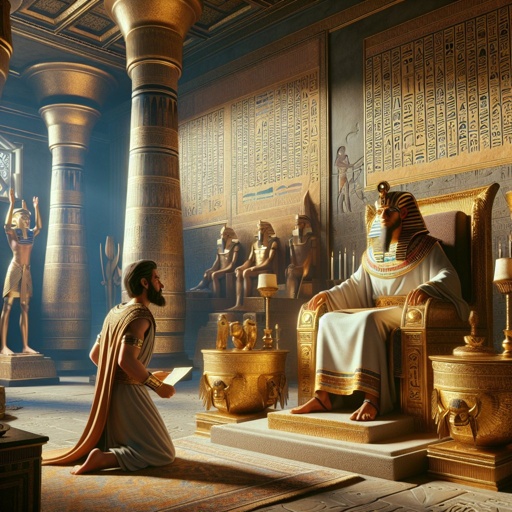
Genesis 12:18 - "And Pharaoh called Abram, and said, What is this that thou hast done unto me? why didst thou not tell me that she was thy wife?"
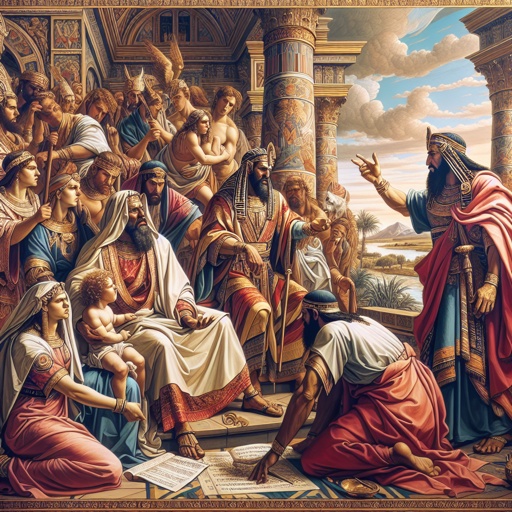
Genesis 12:18 And Pharaoh called Abram, and said, What is this that thou hast done unto me? why didst thou not tell me that she was thy wife?
"And Pharaoh called Abram, and said, What is this that thou hast done unto me? why didst thou not tell me that she was thy wife?" - Genesis 12:18

Genesis 18-12

Genesis 18:12 - "Therefore Sarah laughed within herself, saying, After I am waxed old shall I have pleasure, my lord being old also?"
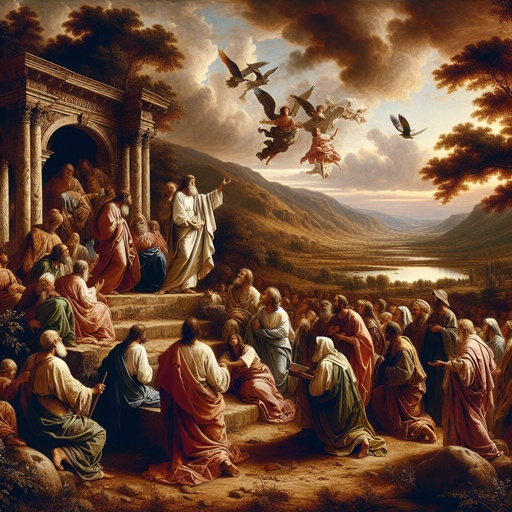
Genesis 18-18

Genesis 24-18

Genesis 18-26

Genesis 17-18

Genesis 18-32

Genesis 18-30

Genesis 18-25

Genesis 26:18

Genesis 22-18

Genesis 18-10

Genesis 18-16

Genesis 18:25

Genesis 18-9

Genesis 18-2

Genesis 18-19
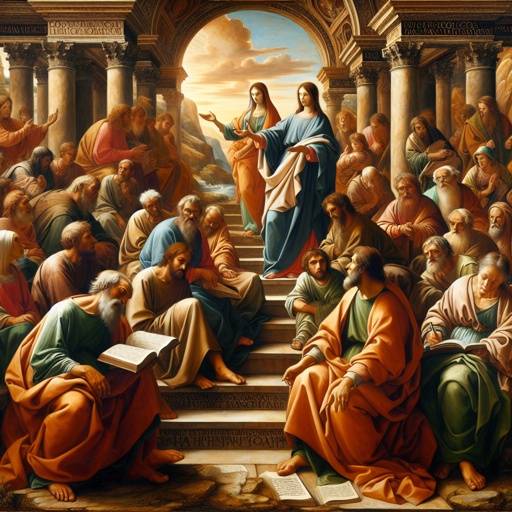
Genesis 15:18

Genesis 18-1

Genesis 23-18

Genesis 18-28

Genesis 18-14

Genesis 25-18

Genesis 18-22

Genesis 20-18

Genesis 18-3

Genesis 18-17