The Power of Truth in the Shadows of Deception
“Say, I pray thee, thou art my sister: that it may be well with me for thy sake; and my soul shall live because of thee.” — Genesis 12:13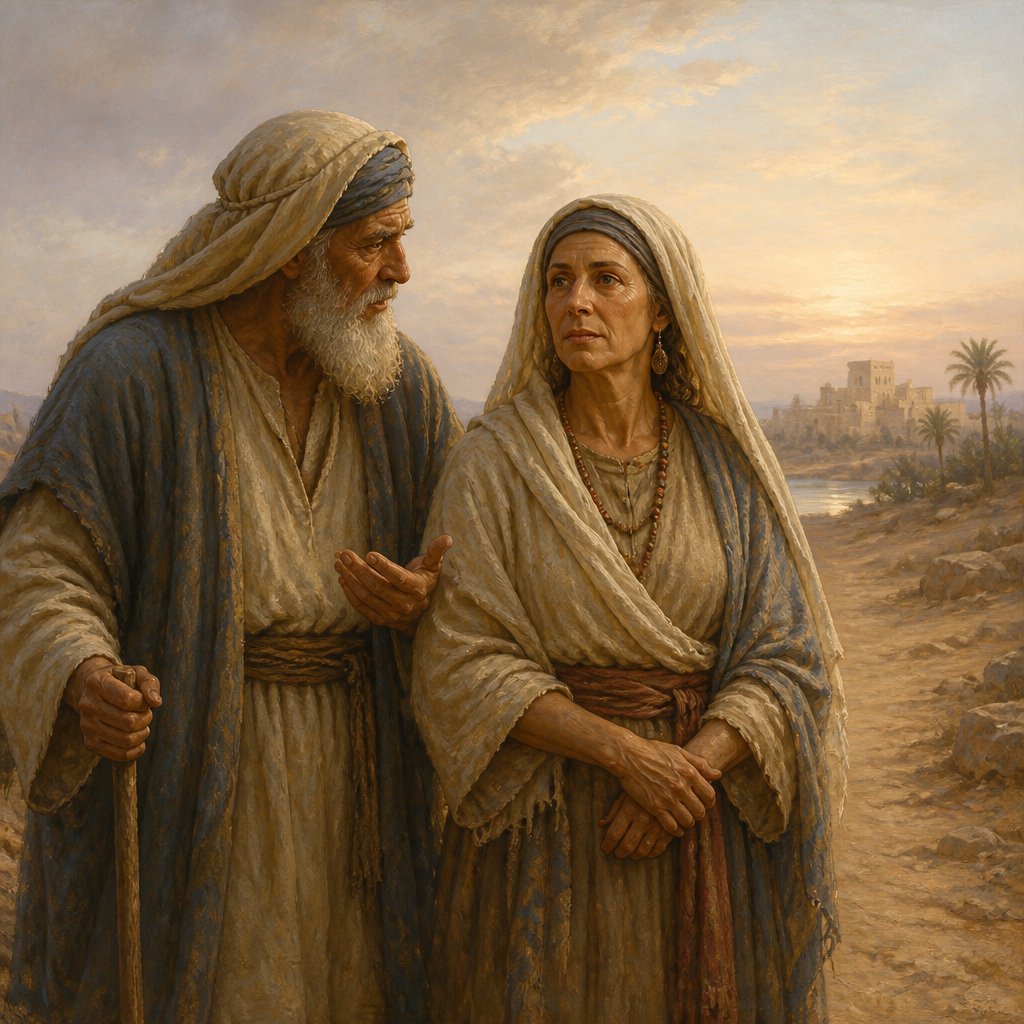
Genesis 12:13 in the King James Version reads, "Say, I pray thee, thou art my sister: that it may be well with me for thy sake; and my soul shall live because of thee." This moment in Scripture unveils the complexity of human relationships and the sometimes morally ambiguous choices we make under pressure.
In the rich tapestry of the biblical narrative, this verse finds itself nestled in the story of Abraham, who would later be known as the father of faith. Here, we witness a pivotal moment that reflects Abraham's fears and his human frailty. As he journeys to Egypt during a time of famine, he becomes acutely aware of the beauty of his wife, Sarai, and harbors the fear that her beauty may attract the attention of the Egyptians, who might kill him to claim her for themselves.
In his distress, Abraham resorts to deception, asking Sarai to pose as his sister. While it is true that Sarai is indeed his half-sister (Genesis 20:12), the intent behind Abraham's words is clear: to protect his own life at the expense of truth. He believes that by presenting her as his sister, the Egyptians would treat him well for her sake, thus ensuring his survival in a foreign land.
This verse compels us to reflect on the ethical dilemmas we face in our own lives when fear and survival instinct threaten to overshadow our commitment to honesty and integrity. Abraham’s solution, while seemingly practical, carries significant moral implications. It raises the question: Can we justify a lie if the intent is to protect oneself or a loved one?
Moreover, this incident not only puts Abraham's character under scrutiny but also places Sarai in a position of vulnerability. She is thrust into danger, forced to navigate a scenario that places her safety and dignity at risk, all because of her husband's fearful decision. This reflects the reality that our choices often impact others in ways we might not fully comprehend at the moment.
In the grand narrative of faith, we see God’s unwavering commitment to His promises, even in the face of human failure. While Abraham falters, God still leads him through this ordeal, ultimately guiding him back to the path of righteousness. In fact, God intervenes in the situation by inflicting plagues upon Pharaoh’s house, revealing the truth and protecting Sarai and Abraham (Genesis 12:17-20). This serves as a reminder that God’s purposes prevail, regardless of our shortcomings.
As we meditate on this verse, we must recognize the dual nature of Abraham’s request: a plea for safety overshadowed by deception. It prompts us to examine our lives, our choices, and the lengths to which we are willing to go to preserve our own well-being.
In today's world, where truth can often be manipulated to suit our circumstances, Genesis 12:13 calls us to authenticity and courage. How often do we find ourselves in situations where our integrity is challenged? In those moments, we must recall that while we may believe we are protecting ourselves, our actions can have far-reaching consequences for those around us.
Ultimately, the story of Abraham is one of hope and redemption. It reminds us that the journey of faith is not marked by perfection, but by a deepening reliance on God’s promises and faithfulness. As we navigate the complexities of life, may we seek to hold fast to truth, even when it seems more challenging than deception. Let us pray for the strength to stand firm in integrity, trusting in God’s provision and protection, and knowing that He works all things together for good for those who love Him (Romans 8:28).
In conclusion, let this verse etch itself in our hearts—a testament to the importance of truth woven through the fabric of our lives, demonstrating that, regardless of our failures, God’s grace is sufficient. May our souls find life through the light of His truth and may we be steadfast in our love for one another.
Get our apps


Artwork for Genesis 12:13
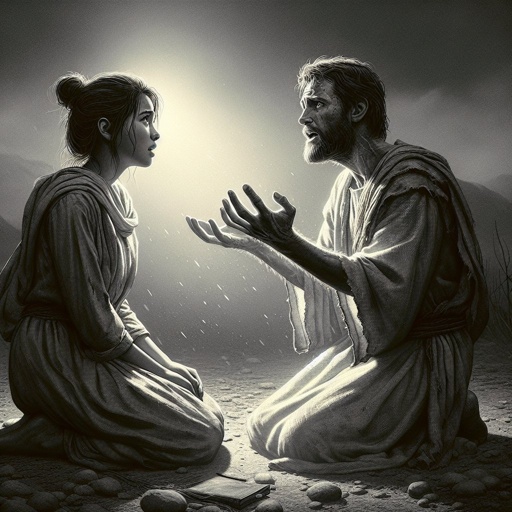
Genesis 12:13 - "Say, I pray thee, thou art my sister: that it may be well with me for thy sake; and my soul shall live because of thee."

Genesis 12:13 Say, I pray thee, thou art my sister: that it may be well with me for thy sake; and my soul shall live because of thee.
"Say, I pray thee, thou art my sister: that it may be well with me for thy sake; and my soul shall live because of thee." - Genesis 12:13

Genesis 12:1-3

Genesis 13:12 - "Abram dwelled in the land of Canaan, and Lot dwelled in the cities of the plain, and pitched his tent toward Sodom."

Genesis 13:12 KJV Abram dwelled in the land of Canaan, and Lot dwelled in the cities of the plain, and pitched his tent toward Sodom.
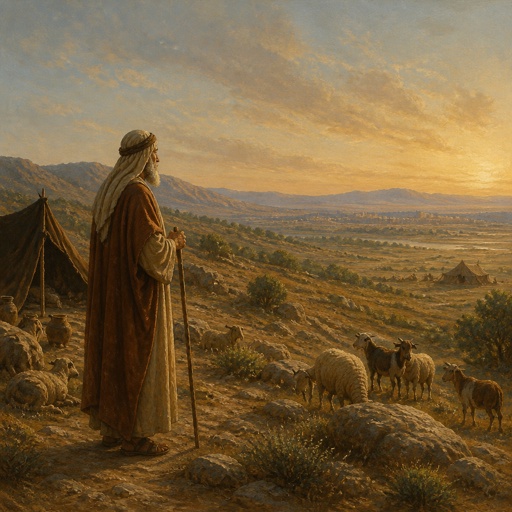
"Abram dwelled in the land of Canaan, and Lot dwelled in the cities of the plain, and pitched his tent toward Sodom." - Genesis 13:12

Genesis 9:12-13 - "And God said, “This is the sign of the covenant I am making between me and you and every living creature with you, a covenant for all generations to come: I have set my rainbow in the clouds, and it will be the sign of the covenant between me and the earth."

Genesis 12

Genesis 13:13 - "But the men of Sodom were wicked and sinners before the LORD exceedingly."

Genesis 20-13
Genesis 18-13

Genesis 25-13

Genesis 15:13

Genesis 13:10

Genesis 9:13

Genesis 16:13

Genesis 19-13

Genesis 28-13

Genesis 21-13

Genesis 23-13

Genesis 17-13
Genesis 24-13

Genesis 22-13

1 Corinthians 12:12-13

Genesis 28-12

Genesis 22-12

Genesis 17-12

Genesis 21-12

Genesis 20-12